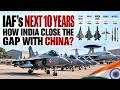





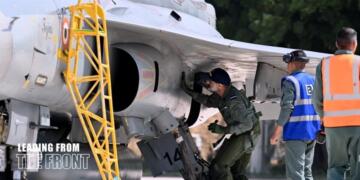













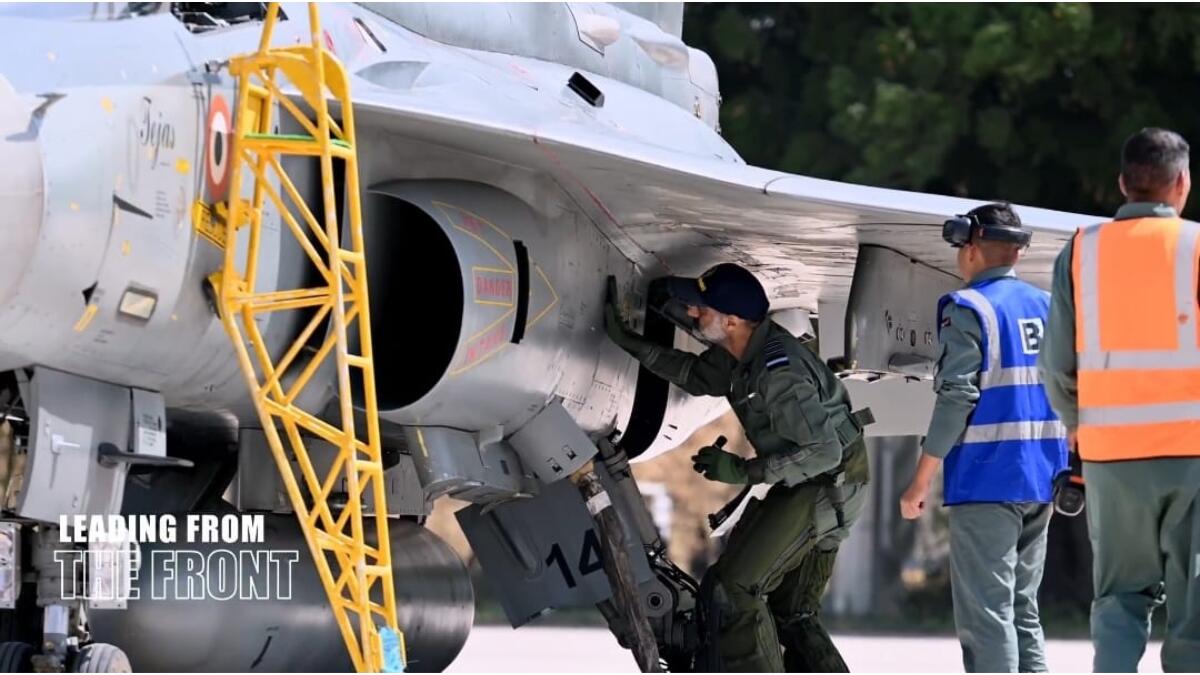
On the final stretch of his tenure, Air Chief Marshal A P Singh climbed into a Tejas one last time. The IAF said the fighter sortie, flown during Exercise Tarang Shakti at Jodhpur, reflects a pilot who has always believed in leading from the front. He flew alongside fighters from friendly foreign air forces and the Suryakiran aerobatic team. He retires on October 31.
The question is why he chose the Tejas. He has spent decades with the aircraft, and few service chiefs know it as well.
A chief who knew the jet from the inside
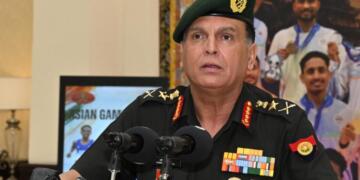
Before becoming chief, Singh was Project Director (Flight Test) at the National Flight Test Centre, tasked with flight-testing the LCA Tejas. He had also flown it over Jodhpur during Tarang Shakti just days before his appointment as chief was announced. Reporters covering his flight with the Army Chief in 2025 described him as “an old hand” in the programme.
That flying record shaped his message to the world. In 2024, as Vice Chief, he led a formation in which the Army and Navy vice chiefs rode in twin-seaters, a joint sortie that underscored the role of indigenous platforms in modernising India’s defence. Earlier this year he flew alongside Japan’s air chief, who also flew the Tejas, and called it a clear sign of “faith and trust” in the homegrown aircraft. For a chief who pushes self-reliance, ending his flying career in an Indian fighter fits.
The Mk1A he could not fly
There is one gap in the story. His farewell flight was in the Tejas, but not the Mk1A. The Mk1A was meant to start reaching the IAF in March 2024. Engine shortages, supply-chain constraints, integration work and certification have pushed that schedule back. The first aircraft is still waiting to be handed over.
The air force held its ground on what it would accept. Reports said the IAF would not take partially equipped aircraft, and that it wanted the AESA radar, electronic warfare suite and weapons package certified first. The IAF asked for integration to be finished so that the jet is combat-ready on delivery. Singh was blunt about it, and in a recorded conversation said he was “just not confident in HAL.”
The case that the IAF could have bent
Here is the argument for flexibility, and it is a reasonable one. Fighters rarely arrive finished. The F-35 is the usual example. The first jets entered service with limited combat capability, and the full combat configuration and later upgrade blocks came afterwards. That is a long-standing pattern with modern fighters. A chief who accepted the Mk1A in an interim form could have ended his flying career in the machine that is meant to replace the MiG-21, and the jets would have been in squadron service, where the IAF’s strength is short of the sanctioned 42 squadrons, while the upgrades continued.
Why the IAF dug in
The other side deserves a fair hearing. HAL’s own chairman has said the aircraft must meet the specifications committed to the services, and that radar and missile integration are not yet complete. The IAF’s non-negotiables were basic combat capabilities, not extras. The F-35 comparison cuts both ways, since the US had other fighters in service while it matured. India has a squadron gap and a two-front security environment.
The timing is almost cruel. The IAF Vice Chief, Air Marshal Ashutosh Dixit, said in September that the first Mk1A could be inducted within a month or two, subject to the remaining technical points. He is also the officer named to succeed Singh, so the first Mk1A may well arrive on his watch. Singh’s last sortie closes his flying career, and the aircraft he pushed hardest on will probably be delivered after he hands over.