




















Frequent power cuts can disrupt everyday activities, especially when homes rely on appliances that need a consistent electricity supply. A conventional backup system can provide power during an outage, but it may not make full use of solar energy generated during the day.
A hybrid solar setup brings solar panels, battery storage, and grid electricity together through one system. For homes that experience regular outages, a solar hybrid inverter can manage these different power sources according to the system’s requirements. Let’s understand how it works, why it can be useful, and what to check before choosing one.
How Does A Solar Hybrid Inverter Work During A Power Cut?
A solar hybrid inverter combines the functions of a solar inverter and battery inverter. The system’s operation changes according to the availability of grid and solar power:
| Power Condition | What Happens |
| Grid Available | Solar power can run household loads, while suitable surplus energy can charge the battery. |
| Solar Generation is Low | The system can use available battery or grid power according to its operating settings. |
| Grid Power Fails | The inverter disconnects from the grid and can supply designated backup loads through the battery and available solar power. |
| Solar Remains Available During an Outage | Solar generation can support connected loads and charge the battery, subject to system configuration. |
When a power cut occurs, the inverter detects the loss of grid supply and changes its operating mode. The battery can then supply electricity to the connected backup loads.
During daylight hours, solar generation can also contribute to the available power. This allows the system to make use of sunlight even when the grid is unavailable, provided the inverter and battery system are designed for this operation.
The duration of backup depends on the battery capacity, connected loads, solar generation, and system configuration. This is why the inverter and battery should be selected according to the home’s actual electricity requirements.
Why is a Solar Hybrid Inverter Useful For Homes With Frequent Power Cuts?
A solar hybrid inverter can be useful for homes that need a more coordinated approach to electricity generation, storage, and backup. Its value comes from allowing different power sources to work together within one system.
Some important advantages include:
1. Provides Battery Backup
A battery stores electricity for use when solar generation is unavailable or grid power is interrupted. Homeowners can prioritise essential appliances such as lights, fans, refrigerators, Wi-Fi routers, and computers based on their backup requirements.
2. Makes Better Use Of Solar Energy
Solar panels generate electricity during daylight hours, while household demand continues throughout the day and evening. Storing suitable surplus generation allows the household to use more of its solar electricity when required.
3. Manages Multiple Power Sources
The inverter coordinates solar generation, battery storage, and grid electricity based on the system’s operating conditions. This provides greater flexibility when solar generation changes or grid power becomes unavailable.
4. Supports Different Household Requirements
Homes have different electricity consumption patterns and backup priorities. A suitable system can be designed around the appliances that need to remain operational during outages, rather than treating every household load in the same way.
5. Offers Useful Protection Features
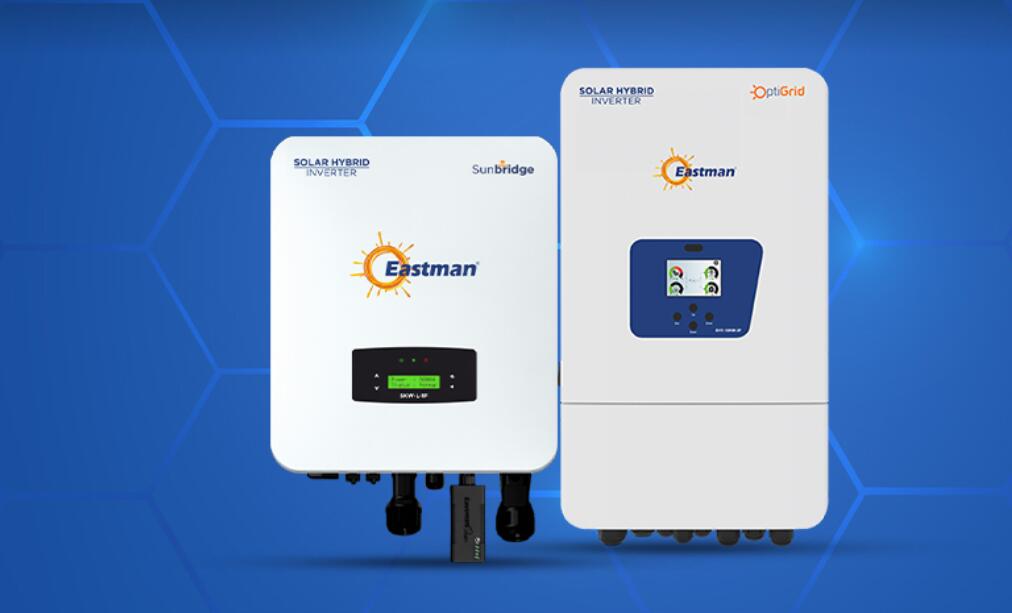
Eastman’s hybrid inverter range includes features such as IP65 protection and Type-II surge protection on the AC and DC sides. Applicable models also offer double MPPT and parallel connection capabilities. These specifications can be considered when planning the system around the home’s installation and power requirements.
What Should You Check Before Installing a Hybrid Inverter?
Choosing a solar hybrid inverter requires more than checking its rated capacity. The inverter, battery, solar panels, and household loads should be considered together to create a suitable system.
Important factors to assess include:
- Inverter Capacity: Check the total running load and starting requirements of appliances that need to operate during a power cut. The inverter should have adequate capacity for the intended loads.
- Battery Capacity: Estimate how much electricity the household needs during an outage and for how long. A larger backup requirement may call for greater usable battery capacity.
- Solar Panel Capacity: Consider how much electricity the panels can generate during the day. Solar capacity also affects how effectively the battery can be replenished when sunlight is available.
- Battery Compatibility: Check the battery voltage, charging and discharging requirements, and communication compatibility with the selected inverter before installation.
- Protection Features: Look for relevant protection features that help safeguard the system against electrical and surge-related conditions. The installation should also follow applicable electrical requirements.
- Available Government Incentives: Eligible residential rooftop solar systems can receive Central Financial Assistance under PM Surya Ghar: Muft Bijli Yojana at ₹30,000 per kW for the first 2 kW and ₹18,000 per kW for the additional capacity up to 3 kW, with the total central subsidy capped at ₹78,000. State-level benefits can also apply.
- Warranty and Support: Review the warranty terms, service support, and documentation available for the inverter and other major system components.
- Installation Requirements: Assess the available installation space, environmental conditions, wiring, ventilation, and other requirements before finalising the system.
Choose A Hybrid Solar Setup Based On Your Backup Needs
A solar hybrid inverter can help homes manage solar generation, battery storage, and grid electricity through one coordinated system. During a power cut, it can support selected loads through stored energy and available solar generation. Solar solution providers like Eastman Auto & Power Limited design solutions for residential and other energy requirements, giving users options to consider when planning a hybrid solar setup.
It allows the system to return to normal grid operation when electricity is restored. The right setup depends on the home’s load, required backup duration, solar generation, battery capacity, and installation conditions.