



















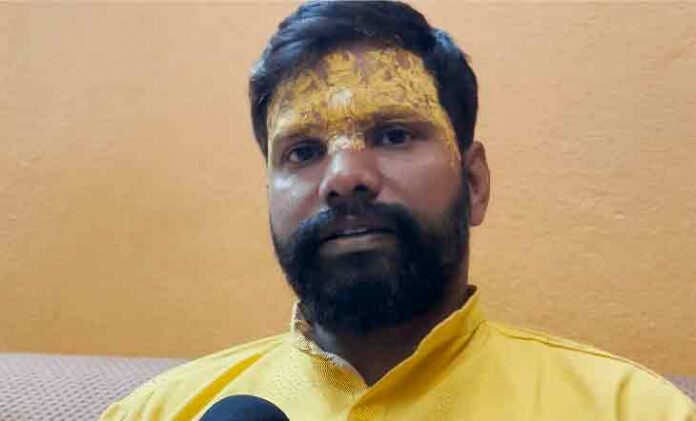
In a development that has reignited debate over India’s terror investigations, Rajendra Chaudhary has returned to the spotlight following his discharge in the 2006 Malegaon blast case. The case, which dates back nearly two decades, has seen multiple twists, shifting investigative narratives, and eventual relief for several accused due to lack of evidence. Recent judicial developments have once again drawn attention to the experiences of those who were once at the centre of one of India’s most controversial terror probes.
The 2006 Malegaon blasts, which occurred in Maharashtra, resulted in dozens of deaths and injuries, sending shockwaves across the country. Initially, investigations pointed in one direction, but over time, different agencies pursued varying lines of inquiry. According to court records and subsequent investigations, inconsistencies and lack of concrete evidence ultimately weakened the prosecution’s case.
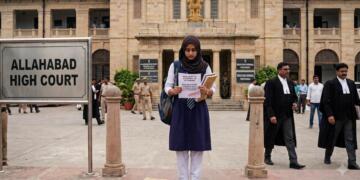
Rajendra Chaudhary, one of the accused, was among those later discharged by the Bombay High Court, which quashed charges framed by a lower court. The ruling was seen as a significant turning point, highlighting gaps in the earlier investigation and raising broader questions about the methods used during the probe.
Reports, including those cited in media coverage, have claimed that Rajendra Chaudhary faced severe hardship during the investigation phase. According to the report referenced, he was allegedly subjected to custodial torture and labeled with terms that carried serious social and political implications. These claims, while strongly contested in broader discourse, have contributed to ongoing debates about the treatment of accused individuals in high-profile cases.
The Malegaon investigation itself has undergone multiple transitions, moving between agencies such as the Anti-Terrorism Squad (ATS) and the National Investigation Agency (NIA). Each phase brought new interpretations and conclusions. In later years, the NIA’s findings reportedly diverged significantly from earlier claims, leading to the dropping of charges against several individuals, including Rajendra Chaudhary.
Legal experts point out that the courts have repeatedly emphasized the importance of evidence-based prosecution. In several rulings related to Malegaon cases, judges have underscored that suspicion, however strong, cannot replace proof in criminal law. This principle ultimately played a decisive role in the discharge of Rajendra Chaudhary and others.
At the same time, the case has also triggered discussions about investigative accountability. Allegations of coercion, forced confessions, and procedural lapses have surfaced in different stages of the broader Malegaon investigations. While some claims have been acknowledged in court observations, others remain disputed, reflecting the complexity of reconstructing events after years of legal proceedings.
The political context surrounding the case has further amplified its significance. Terms such as “saffron terror” entered public discourse during the period, shaping perceptions and influencing narratives. Critics argue that such terminology may have contributed to biases in the investigation, while others maintain that agencies were acting on the evidence available at the time.
For Rajendra Chaudhary, the outcome of the case represents a form of legal vindication after years of uncertainty. However, the broader implications extend beyond individual relief. The case continues to serve as a reference point in discussions about due process, the presumption of innocence, and the responsibilities of investigative agencies in sensitive cases.
Observers note that the Malegaon blast investigations, including the trajectory of Rajendra Chaudhary, highlight systemic challenges within the criminal justice framework. From the initial arrests to eventual acquittals or discharges, the case underscores the importance of maintaining rigorous standards of evidence and safeguarding the rights of the accused.
As India continues to confront issues of national security and terrorism, the lessons from Malegaon remain relevant. The story of Rajendra Chaudhary is not just about one individual, but about the evolving relationship between law enforcement, the judiciary, and civil liberties.
With the legal chapter largely settled, attention now turns to the broader questions raised by the case. Can investigative mechanisms be strengthened to prevent similar controversies in the future? And how should the system address allegations of wrongful prosecution? The answers may shape how cases like that of Rajendra Chaudhary are viewed in the years to come.