





















RelatedPosts
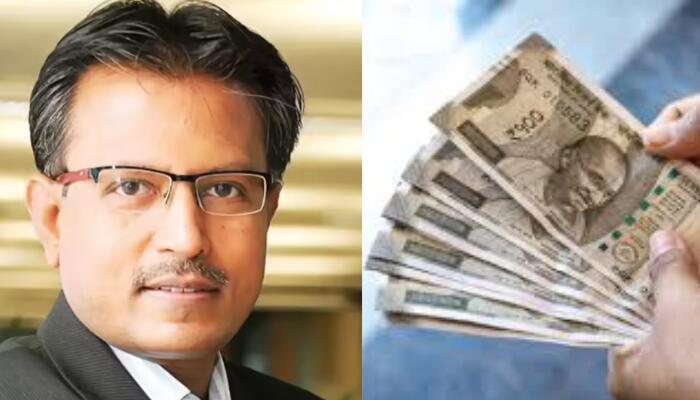
India’s apparent fall to the sixth-largest economy has triggered predictable alarm, but the numbers tell a far more grounded story. Nilesh Shah, Managing Director of Kotak Mutual Fund and a member of the Prime Minister’s Economic Advisory Council, has dismissed the narrative of decline, pointing instead to technical adjustments and currency movement as the real reasons behind the shift.
Reacting to the latest International Monetary Fund (IMF) data, Shah said two developments altered India’s global position. The country revised its GDP base year, while the rupee depreciated by nearly 10 per cent last year. Together, these changes pulled India’s GDP from above $4 trillion to below that mark, temporarily affecting its ranking.
Data distortion, not economic decline
Shah acknowledged that the development deserves attention, but he rejected suggestions that India’s growth has slowed. He made it clear that the economy continues to move forward and argued that statistical revisions and currency fluctuations often distort global comparisons without weakening fundamentals.
Much of the reaction, he suggested, overlooks the broader picture. India’s growth momentum remains intact despite short-term shifts in how global institutions measure economic size.
A decade of steady rise
A longer view reinforces that argument. In 2014, India ranked as the world’s 10th-largest economy. Today, it holds the sixth position. This four-place rise in less than 12 years reflects sustained expansion and consistent policy direction.
Shah maintained that the gap between India and the economies ranked above it remains manageable. Faster growth compared to many global peers, he said, will allow India to close that gap over time.
Third-largest economy remains within reach
Shah reaffirmed that India continues on course to become the world’s third-largest economy. According to IMF projections, that milestone may now arrive by 2031, compared to earlier estimates of 2027 or 2028.
He described this shift as a delay of two to three years rather than a setback. In his view, the broader economic trajectory remains unchanged.
Inclusive growth at the core
Shah also emphasised that India’s growth model rests on inclusivity. He argued that an economy of India’s scale cannot depend on a single company or entrepreneur and must expand across sectors and regions.
This approach, he said, strengthens long-term stability and ensures that growth remains broad-based and sustainable.
Policy continuity driving momentum
Shah credited policy continuity and structural reforms for India’s rise from the 10th to the sixth position, calling it the fastest climb in the country’s economic history. He said the direction of economic policy remains clear and consistent.
With continued focus on innovation, capital formation, and inclusive expansion, India’s growth story remains firmly intact. The latest ranking shift may have introduced noise, but it is a temporary statistical distortion, not a signal of economic weakness.