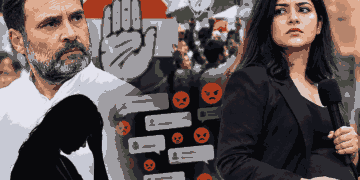
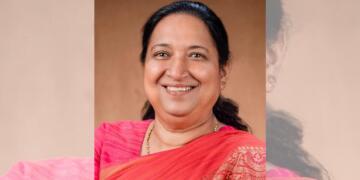

















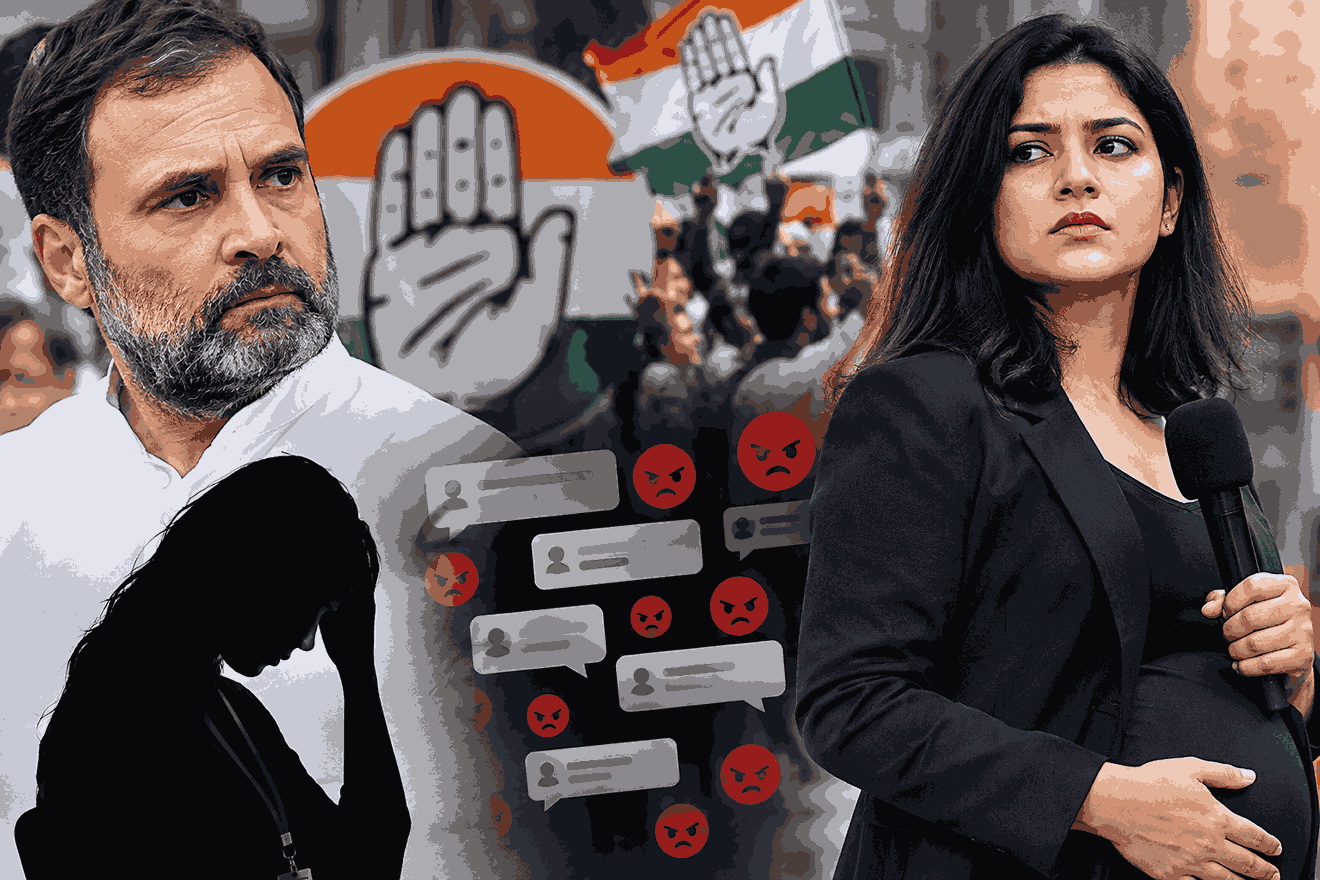
Richa Parashar, a journalist with Oneindia who says she is three months pregnant, has become the centre of a political storm after accusing Congress leader Rahul Gandhi of grabbing and pulling her during an INDIA bloc protest march near the Supreme Court in New Delhi. Instead of allowing the allegations to be examined on their merits, sections of Congress supporters have questioned her account, attacked her credibility and suggested political motives behind the controversy. Their response raises uncomfortable questions about press freedom, women’s safety and the willingness of political loyalists to defend their leaders at any cost.
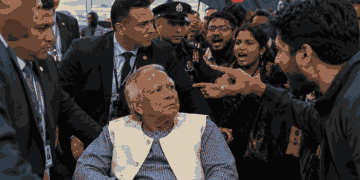
The incident reportedly took place on October 12, when opposition leaders and supporters marched towards the Supreme Court in protest against the Special Intensive Revision of electoral rolls and demanding action against Chief Election Commissioner Gyanesh Kumar. Amid the crowded scenes, journalists attempted to approach Rahul Gandhi for comments. Parashar alleged that Gandhi grabbed her hand or shoulder and pulled her forward before security personnel pushed her away. She claimed she fell down the steps, sustaining injuries, while her cameraperson was also caught in the commotion.
Richa Parashar subsequently spoke about the incident from a hospital in Delhi, alleging that she fell on her stomach and suffered injuries to her hand and knees. She also said her phone was damaged during the incident. Her account has attracted national attention because of her reported pregnancy and the serious implications of any physical confrontation involving a journalist covering a political event.
The Congress has rejected the allegations, with party leaders and supporters describing the controversy as politically motivated propaganda. Some have questioned the timeline of her hospital visit and raised objections over reports that she underwent an X-ray. Such questions can be examined through medical records and other reliable evidence, but they do not justify personal attacks or the automatic dismissal of a woman’s account before a proper inquiry.
Richa Parashar deserves the same presumption of fairness that Congress supporters would demand for a journalist accusing a political leader from another party. If the allegations are inaccurate, credible video footage, witness statements and a transparent investigation should establish that. If they are substantiated, those responsible should be held accountable, regardless of their political standing. The answer cannot be to ridicule the complainant or attempt to silence her through online hostility.
The conduct of Congress sympathisers who have chosen to lambast the journalist rather than insist on an impartial examination deserves particular criticism. Political allegiance is not a licence to intimidate a reporter, speculate irresponsibly about her personal circumstances or turn a potentially serious incident into an opportunity for partisan abuse. A journalist does not surrender her rights by asking a powerful politician a question, and pregnancy should never become a pretext for questioning her professional legitimacy.
Richa Parashar has also insisted that she was performing her professional duty when she approached Gandhi for a response. Journalists routinely work in crowded, tense environments, particularly during political demonstrations. Political leaders and their security teams have a responsibility to maintain order and avoid unnecessary physical contact. Equally, reporters must follow safety instructions and exercise professional judgment in volatile crowds. These principles are compatible, and neither excuses misconduct if it occurred.
The available video footage has become a major point of dispute. Reports indicate that the circulating visuals do not conclusively establish every detail of the alleged interaction. That limitation makes independent scrutiny more important, not less. Full-length recordings from different camera angles, eyewitness accounts and a verified timeline could help determine what happened. Selective clips and partisan interpretations are poor substitutes for evidence.
Richa Parashar should not be declared correct merely because she has made an allegation, just as Rahul Gandhi should not be pronounced guilty without a fair assessment of the evidence. But the same standard must apply to the journalist’s critics: accusations that she is manufacturing a controversy also require substantiation. The principle of fairness cannot change according to the political identity of the person involved.
The episode is a test of democratic political culture. Congress leaders frequently invoke constitutional values, accountability and the protection of vulnerable citizens. Those commitments are meaningful only when they extend beyond political speeches and apply even when criticism concerns their own leadership. Supporters who genuinely care about democratic principles should demand clarity, condemn harassment and allow an impartial investigation to proceed.
Ultimately, the controversy surrounding Richa Parashar must be resolved through evidence rather than political tribalism. Congress sympathisers are entitled to dispute her claims, but they should do so with facts, not personal vilification. A free press requires journalists to be able to question political leaders without fear, while the accused must retain the right to a fair assessment. Protecting both principles is essential to public trust and democratic accountability.