















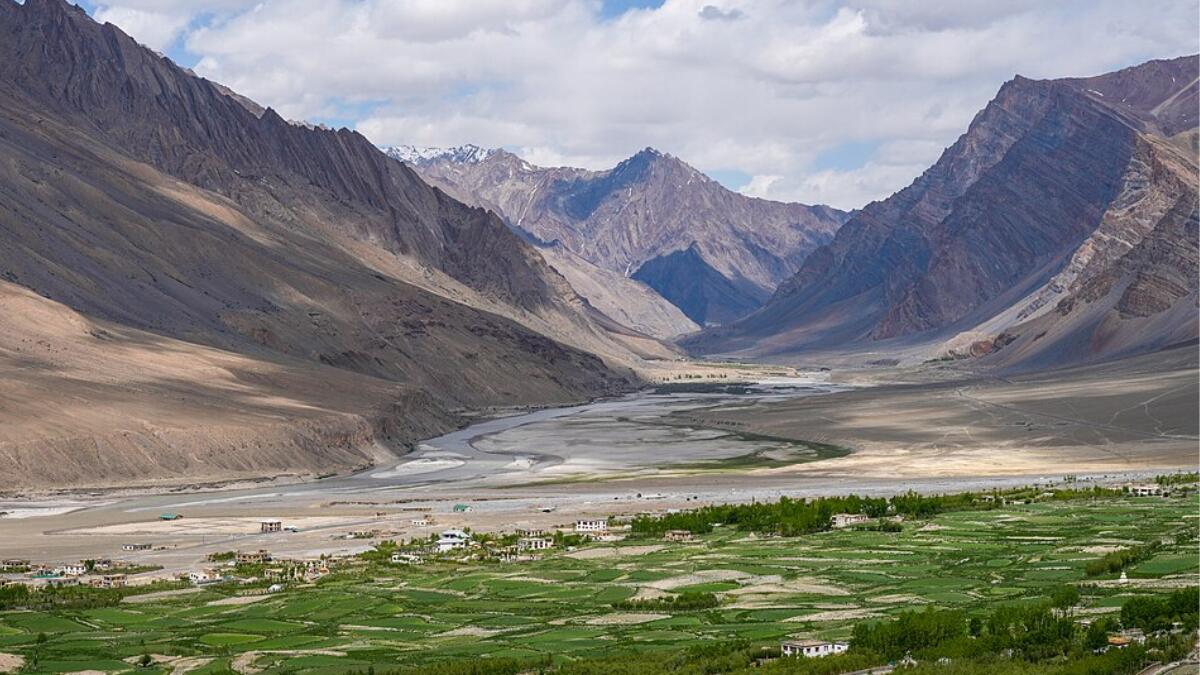
India on Friday formally identified 28 places and geographical features in Ladakh by standard names on the official Survey of India map, including Gogra and Hot Spring, two locations at the centre of the India-China military standoff along the Line of Actual Control.
The Union home ministry said the Centre, in consultation with the Union Territory of Ladakh, had identified the 28 places and features by standard place and feature names. The government said the formal listing aims to facilitate accurate recognition and greater public awareness.
The list comprises 10 peaks, three mountains, seven land areas, two passes, two glaciers, one valley, one river, one lake and one water body. It also includes several sites in Aksai Chin and Pakistan-administered Gilgit-Baltistan that India claims as part of Ladakh. Gogra is classed as a land area and Hot Spring as a water body.
Why Gogra and Hot Spring matter
Both were among the friction areas during the standoff that began in 2020. India and China disengaged from the Gogra area in August 2021 and from Gogra-Hot Springs, also known as Patrol Point 15, in September 2022. The standoff erupted on May 5, 2020, after a violent clash in the Pangong Lake area.
The move follows a similar exercise in August, when the Centre standardised the names of 27 places and features in Arunachal Pradesh on Survey of India maps. Together, the two exercises give greater visibility to border geography at a time when place names feature in India-China diplomatic disagreements. Strategic analysts have read the Ladakh listing as a counter to Beijing’s own naming of places in territory India regards as its own.
The government’s statement does not mention China and does not say the listing is a response to Beijing. Reports also note that the announcement concerns only the formal identification of the places on the map, with no declaration of a boundary revision, a change in military deployments or new patrolling arrangements.
The government has directed readers to the Survey of India’s state maps page to view the Ladakh map with the additional names.
China had not responded publicly at the time of writing, as far as I could find.