





















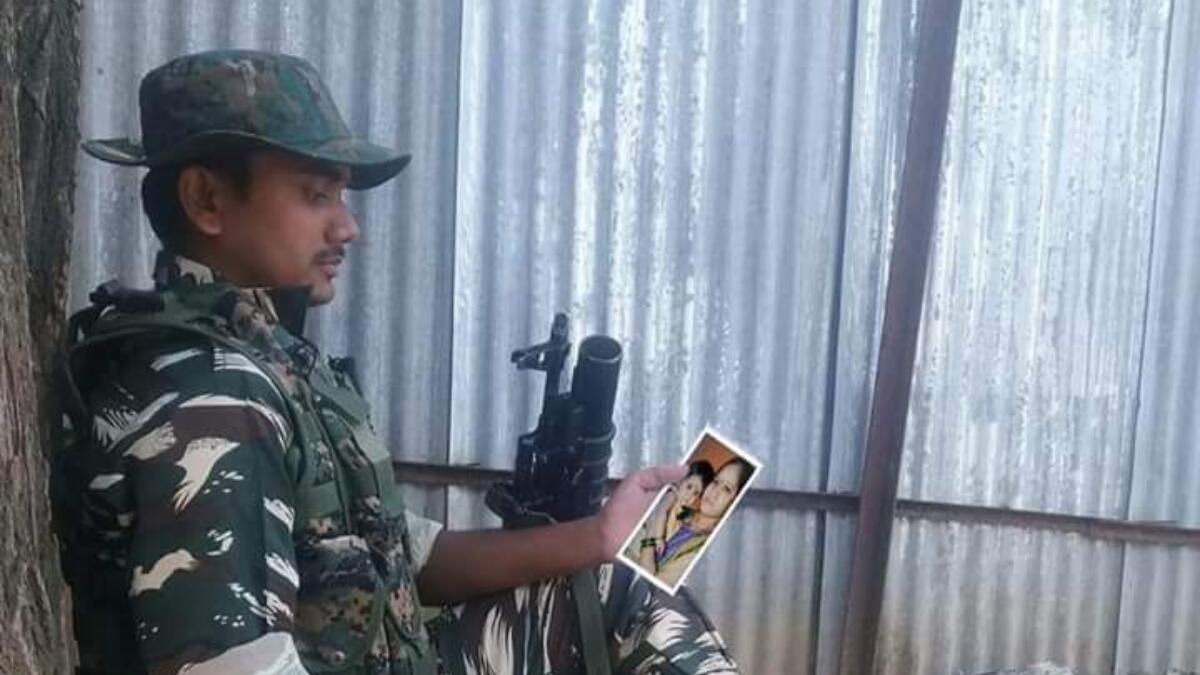
New Delhi: The Central Reserve Police Force (CRPF) recorded 59 suicides in 2025, the highest annual figure in five years, according to official data reported by PTI. More than 80 per cent of those who died belonged to the constabulary — the force’s lowest ranks — and 202 of the 262 suicides recorded between 2021 and 2025, or more than 77 per cent, occurred while personnel were on duty.
The yearly toll has fluctuated but stayed high: 57 in 2021, 43 in 2022, 57 in 2023, 46 in 2024, and 59 in 2025, taking the five-year total to 262. Including 19 more cases till July 2026, the figure rises to 281 since 2021.
Who is most affected
Of the 281 deaths, 237 involved non-gazetted personnel — constables and head constables — accounting for nearly 84 per cent of the total. Another 43 involved subordinate officers such as inspectors and sub-inspectors, while only one gazetted officer, of the rank of assistant commandant or above, died by suicide. The pattern is consistent: the burden falls almost entirely on the force’s frontline ranks, not its command structure.
Why officials say it happens
CRPF officials told PTI that most cases were linked to personal and family issues, compounded by the rigours of service and demanding duties. Long, often unbroken deployments play a significant role. The CRPF, roughly 325,000 personnel strong, is deployed extensively in Naxal-affected regions and Jammu and Kashmir, alongside law-and-order duties across the country — postings that keep personnel away from family for extended stretches under sustained operational pressure.
That combination is not unique to the CRPF. Government data placed before the Rajya Sabha in December showed 730 personnel across seven Central Armed Police Forces died by suicide over five years, alongside more than 55,000 voluntary retirements or resignations in the same period — a pattern that points to broader strain across India’s paramilitary forces, not an isolated CRPF problem.
What is being done
The CRPF has not issued a formal statement on the 2025 figures, but officials told PTI the force has introduced measures aimed at safeguarding personnel’s physical and mental health, and that the process is ongoing. Past responses have included advisories asking formations to monitor personnel for signs of stress and provide counselling, particularly after fratricide incidents that officials have linked to unaddressed psychological strain among troops.
The scale of the problem, though, suggests existing measures have yet to make a visible dent. With constabulary ranks — the personnel most exposed to prolonged, high-pressure deployments — bearing the overwhelming share of these deaths, the underlying question is less about awareness campaigns and more about whether deployment patterns and support structures for India’s most junior paramilitary ranks are being rethought at all.