








Pakistan’s establishment has a habit of censoring inconvenient truths. This time, it censored one and ended up validating it.
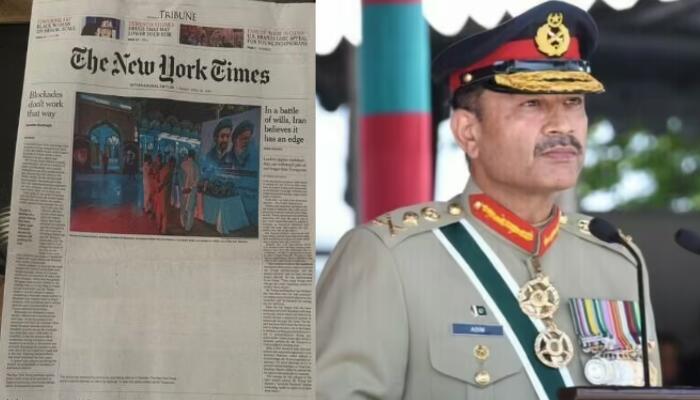
Pakistan removed a New York Times report on rising Shia anger from its print edition. In doing so, the establishment amplified the very crisis it sought to suppress. The report, which examined domestic fallout from the Iran war, disappeared from the Pakistani edition through the newspaper’s local publishing partner.
What followed made the episode extraordinary.
In the blank space left on the front page, The New York Times carried a disclaimer stating the article had been removed locally and that its newsroom had no role in the decision.
That single line turned a censorship act into an international embarrassment.
This did not appear to be routine editorial caution. It suggested a deeper sensitivity within the Pakistani establishment.
Rawalpindi’s Shia Problem Is No Longer Hidden
The reasons are not difficult to trace.
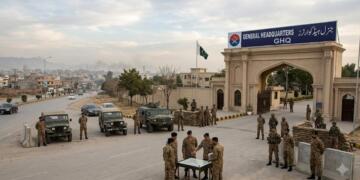
Pakistan has the world’s second-largest Shia population and, crucially, a significant Shia presence within its military, including in influential positions. That makes Shia discontent far more consequential than a routine law-and-order issue. It touches the architecture of the state itself.
Critics say the censorship reflects anxiety beyond street protests. It points to ideological fault lines touching institutions the state relies on.
That context has renewed scrutiny of remarks made by Pakistan Army chief Asim Munir at an iftar gathering in Rawalpindi last month, where he reportedly told Shia clerics, “If you love Iran so much, then go to Iran.”
The comment triggered sharp criticism from Shia leaders, who described it as provocative and accused the military of deepening sectarian tensions while serving external interests. The censored New York Times report carried similar warnings.
That is why the article’s disappearance looks less like censorship management and more like damage control.
A Blank Page Told the Real Story
Then came the irony.
By trying to suppress the report, Pakistan made it bigger news.
The blank front page became a metaphor for an establishment increasingly defensive about internal fractures. Pakistani journalists criticised the move, but the significance extends beyond press freedom.
It goes to questions of political insecurity.
From unrest in Karachi and Islamabad to tensions in Gilgit-Baltistan, signs of domestic strain have already surfaced. The censored report merely connected those dots in a way the establishment appeared unwilling to permit in print.
Pakistan has censored The New York Times before, including over Al Qaeda-linked reporting in 2014. But this episode appears more revealing because it touches a vulnerability closer to the state’s core.
When a government starts erasing discussion of a faultline rather than addressing it, it often suggests the faultline is real.
The blank space on that front page was meant to conceal a crisis. Instead, it exposed one.