













TFIPOST हिन्दी
TFIPOST Global
Tfipost.com
Tfipost.com
No Result
View All Result
  • Premium
  • Politics
    • All
    • Analysis
    • Opinions
    • Trending
    Public Namaz: Allahabad High Court Ruling Sparks Debate on Rights, Law, and Public Spaces

    Public Namaz: Allahabad High Court Ruling Sparks Debate on Rights, Law, and Public Spaces

    Breast Tax Myth: Politics, History, and the Controversy Around Tipu Sultan’s Role

    Breast Tax Myth: Politics, History, and the Controversy Around Tipu Sultan’s Role

    By sending instant emergency alerts to mobile phones, India’s upgraded disaster management system helps prevent casualties through faster warnings and quicker evacuation.

    India’s Phones Turn Into Instant Sirens as Nationwide Disaster Alert System Enters Live Testing Phase

    From Power Corridors to Police Radar: Sandeep Pathak at the Centre of a Political Controversy

    From Power Corridors to Police Radar: Sandeep Pathak at the Centre of a Political Controversy

    • Analysis
    • Opinions
    • Trending
  • Economy
    • All
    • Business
    • Economy1
    • Finance
    Online Gaming Act takes effect

    India Bans Real-Money Online Gaming, Enforces New Digital Gaming Law From May 1

    From struggle to reform, India’s workers power the nation’s rise.

    Labour Day 2026: From Red Flags to Reform, How New India is Rewriting the Workers’ Future

    AI, access, and accountability: Goyal’s push to transform India’s procurement system through GeM

    Goyal Speeds Up GeM Revamp, Pushes AI Tools and Wider Access to Reform Procurement System

    What are the Benefits of Critical Health Insurance in Serious Illness Cases?

    What are the Benefits of Critical Health Insurance in Serious Illness Cases?

    • Business
    • Finance
  • Defense
    • All
    • Defence
    • Strategy
    • Weaponry
    By sending instant emergency alerts to mobile phones, India’s upgraded disaster management system helps prevent casualties through faster warnings and quicker evacuation.

    India’s Phones Turn Into Instant Sirens as Nationwide Disaster Alert System Enters Live Testing Phase

    US Weighs First-Ever Hypersonic Strike: Can the $15M Dark Eagle Break the Iranian Deadlock?

    US Weighs First-Ever Hypersonic Strike: Can the $15M Dark Eagle Break the Iranian Deadlock?

    Dubey escalates infiltration debate in Bengal

    Bengal Poll Row Escalates After Bangladesh Parliament Remarks: Nishikant Dubey Targets TMC Over Infiltration Debate

    India called the shots, not the ceasefire: Rajnath SIngh

    India Chose the Moment, Not the Pressure: Rajnath Singh Says Operation Sindoor Halt Was a Strategic Call

    • Defence
    • Strategy
    • Weaponry
  • Geopolitics
    • All
    • Africa
    • Americas
    • Asia Pacific
    • Europe
    • South Asia
    • West Asia
    As Modi pushes global action on extremism, Canada’s own intel flags the threat within.

    Canada’s Own Intel Points Out Khalistani Extremism as Security Threat, Exposes Funding and Propaganda Network

    US Weighs First-Ever Hypersonic Strike: Can the $15M Dark Eagle Break the Iranian Deadlock?

    US Weighs First-Ever Hypersonic Strike: Can the $15M Dark Eagle Break the Iranian Deadlock?

    Caught Between Giants: How China’s Strategic Embrace Is Complicating Nepal’s Balancing Act

    Caught Between Giants: How China’s Strategic Embrace Is Complicating Nepal’s Balancing Act

    Karachi Pact 1949: How Pakistan Cemented Control Over Gilgit-Baltistan Without Its People’s Consent

    Karachi Pact 1949: How Pakistan Cemented Control Over Gilgit-Baltistan Without Its People’s Consent

    • Africa
    • Americas
    • Asia Pacific
    • Europe
    • South Asia
    • West Asia
  • Knowledge
    • All
    • Culture
    • Education
    • History
    • Indology
    Students move closer to a decisive academic milestone as cbse enters final result processing stage

    CBSE Class 12 Results 2026 Expected Soon As Verification Enters Last Stage

    Chants of ‘Jai Badri Vishal’ Echo as Badrinath Portals Open; All Four Dhams Now Accessible to Pilgrims

    Chants of ‘Jai Badri Vishal’ Echo as Badrinath Portals Open; All Four Dhams Now Accessible to Pilgrims

    Kedarnath Dham Portals Open for Devotees After 181 Days Amid Vedic Chants, Traditional Rituals

    Kedarnath Dham Portals Open for Devotees After 181 Days Amid Vedic Chants, Traditional Rituals

    Sardar Patel and Amit Shah

    Sardar Patel’s 1947 Blueprint on Minority Quotas Resurfaces as Reservation Debate Returns to Centre Stage

    • Culture
    • History
    • Indology
  • Law
  • Lounge
    • All
    • Books
    • Cinema
    • Entertainment
    • Food
    • Games
    • Health
    • Lifestyle
    • Satire
    • Sports
    • technology
    • Travel
    Beneath calm waters, a relentless attempt unfolds to put Andaman on the global map.

    Deep-Sea Display of Ambition: Andaman Plans Dual World Record Feats with Tricolour and Underwater Human Formation

    Online Gaming Act takes effect

    India Bans Real-Money Online Gaming, Enforces New Digital Gaming Law From May 1

    From struggle to reform, India’s workers power the nation’s rise.

    Labour Day 2026: From Red Flags to Reform, How New India is Rewriting the Workers’ Future

    A journey of faith unfolds across one of India’s toughest terrains.

    Adi Kailash Yatra Begins Today: Temple Gates Open as Uttarakhand Tightens Grip on Strategic Himalayan Corridor

    • Books
    • Cinema
    • Food
    • Health
    • Sports
    • technology
    • Travel
    • Satire
Tfipost.com
  • Premium
  • Politics
    • All
    • Analysis
    • Opinions
    • Trending
    Public Namaz: Allahabad High Court Ruling Sparks Debate on Rights, Law, and Public Spaces

    Public Namaz: Allahabad High Court Ruling Sparks Debate on Rights, Law, and Public Spaces

    Breast Tax Myth: Politics, History, and the Controversy Around Tipu Sultan’s Role

    Breast Tax Myth: Politics, History, and the Controversy Around Tipu Sultan’s Role

    By sending instant emergency alerts to mobile phones, India’s upgraded disaster management system helps prevent casualties through faster warnings and quicker evacuation.

    India’s Phones Turn Into Instant Sirens as Nationwide Disaster Alert System Enters Live Testing Phase

    From Power Corridors to Police Radar: Sandeep Pathak at the Centre of a Political Controversy

    From Power Corridors to Police Radar: Sandeep Pathak at the Centre of a Political Controversy

    • Analysis
    • Opinions
    • Trending
  • Economy
    • All
    • Business
    • Economy1
    • Finance
    Online Gaming Act takes effect

    India Bans Real-Money Online Gaming, Enforces New Digital Gaming Law From May 1

    From struggle to reform, India’s workers power the nation’s rise.

    Labour Day 2026: From Red Flags to Reform, How New India is Rewriting the Workers’ Future

    AI, access, and accountability: Goyal’s push to transform India’s procurement system through GeM

    Goyal Speeds Up GeM Revamp, Pushes AI Tools and Wider Access to Reform Procurement System

    What are the Benefits of Critical Health Insurance in Serious Illness Cases?

    What are the Benefits of Critical Health Insurance in Serious Illness Cases?

    • Business
    • Finance
  • Defense
    • All
    • Defence
    • Strategy
    • Weaponry
    By sending instant emergency alerts to mobile phones, India’s upgraded disaster management system helps prevent casualties through faster warnings and quicker evacuation.

    India’s Phones Turn Into Instant Sirens as Nationwide Disaster Alert System Enters Live Testing Phase

    US Weighs First-Ever Hypersonic Strike: Can the $15M Dark Eagle Break the Iranian Deadlock?

    US Weighs First-Ever Hypersonic Strike: Can the $15M Dark Eagle Break the Iranian Deadlock?

    Dubey escalates infiltration debate in Bengal

    Bengal Poll Row Escalates After Bangladesh Parliament Remarks: Nishikant Dubey Targets TMC Over Infiltration Debate

    India called the shots, not the ceasefire: Rajnath SIngh

    India Chose the Moment, Not the Pressure: Rajnath Singh Says Operation Sindoor Halt Was a Strategic Call

    • Defence
    • Strategy
    • Weaponry
  • Geopolitics
    • All
    • Africa
    • Americas
    • Asia Pacific
    • Europe
    • South Asia
    • West Asia
    As Modi pushes global action on extremism, Canada’s own intel flags the threat within.

    Canada’s Own Intel Points Out Khalistani Extremism as Security Threat, Exposes Funding and Propaganda Network

    US Weighs First-Ever Hypersonic Strike: Can the $15M Dark Eagle Break the Iranian Deadlock?

    US Weighs First-Ever Hypersonic Strike: Can the $15M Dark Eagle Break the Iranian Deadlock?

    Caught Between Giants: How China’s Strategic Embrace Is Complicating Nepal’s Balancing Act

    Caught Between Giants: How China’s Strategic Embrace Is Complicating Nepal’s Balancing Act

    Karachi Pact 1949: How Pakistan Cemented Control Over Gilgit-Baltistan Without Its People’s Consent

    Karachi Pact 1949: How Pakistan Cemented Control Over Gilgit-Baltistan Without Its People’s Consent

    • Africa
    • Americas
    • Asia Pacific
    • Europe
    • South Asia
    • West Asia
  • Knowledge
    • All
    • Culture
    • Education
    • History
    • Indology
    Students move closer to a decisive academic milestone as cbse enters final result processing stage

    CBSE Class 12 Results 2026 Expected Soon As Verification Enters Last Stage

    Chants of ‘Jai Badri Vishal’ Echo as Badrinath Portals Open; All Four Dhams Now Accessible to Pilgrims

    Chants of ‘Jai Badri Vishal’ Echo as Badrinath Portals Open; All Four Dhams Now Accessible to Pilgrims

    Kedarnath Dham Portals Open for Devotees After 181 Days Amid Vedic Chants, Traditional Rituals

    Kedarnath Dham Portals Open for Devotees After 181 Days Amid Vedic Chants, Traditional Rituals

    Sardar Patel and Amit Shah

    Sardar Patel’s 1947 Blueprint on Minority Quotas Resurfaces as Reservation Debate Returns to Centre Stage

    • Culture
    • History
    • Indology
  • Law
  • Lounge
    • All
    • Books
    • Cinema
    • Entertainment
    • Food
    • Games
    • Health
    • Lifestyle
    • Satire
    • Sports
    • technology
    • Travel
    Beneath calm waters, a relentless attempt unfolds to put Andaman on the global map.

    Deep-Sea Display of Ambition: Andaman Plans Dual World Record Feats with Tricolour and Underwater Human Formation

    Online Gaming Act takes effect

    India Bans Real-Money Online Gaming, Enforces New Digital Gaming Law From May 1

    From struggle to reform, India’s workers power the nation’s rise.

    Labour Day 2026: From Red Flags to Reform, How New India is Rewriting the Workers’ Future

    A journey of faith unfolds across one of India’s toughest terrains.

    Adi Kailash Yatra Begins Today: Temple Gates Open as Uttarakhand Tightens Grip on Strategic Himalayan Corridor

    • Books
    • Cinema
    • Food
    • Health
    • Sports
    • technology
    • Travel
    • Satire
No Result
View All Result
Tfipost.com
Tfipost.com
No Result
View All Result
  • Premium
  • Politics
  • Economy
  • Defense
  • Geopolitics
  • Knowledge
  • Law
  • Lounge

Why Looking Outside Won’t Stabilise a Turbulent Bangladesh

TFI Desk by TFI Desk
29 December 2025
in Opinions, Trending
Why Looking Outside Won’t Stabilise a Turbulent Bangladesh

Why Looking Outside Won’t Stabilise a Turbulent Bangladesh

Share on FacebookShare on X

In moments of national shock, blame travels faster than facts. When violence erupts during a political transition, the instinct to look outward is understandable. External actors offer a simple explanation for complex breakdowns. They also offer emotional relief. Yet in fragile political environments, externalising blame often does more harm than good. It delays reform, weakens accountability, and ultimately prolongs instability.

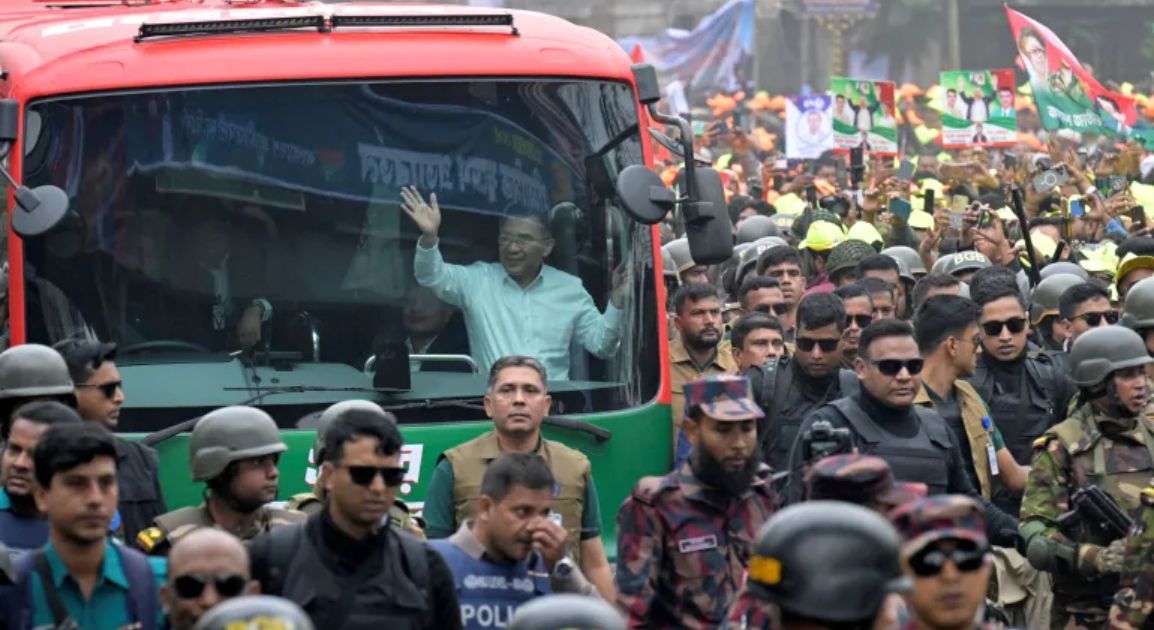
The recent spate of political violence in Bangladesh illustrates this dilemma with uncomfortable clarity. The killing of Sharif Osman Hadi in Dhaka, followed days later by the shooting of student leader Motaleb Shikder in Khulna, points to a crisis that is spreading rather than resolving. When violence recurs across locations and actors, the question that matters most is not who can be blamed rhetorically but which explanation best fits the pattern.

RelatedPosts

Redefining Terms of Truly Mutual Trade Deal: Sovereignty and Strategy in the US–Bangladesh Framework

Reviving Echoes of March 7, 1971: Sheikh Mujibur’s Call Against Pakistani Genocide and Betrayal of History

Bangladesh: A Rushed Vote Today, a Broken State Tomorrow

Load More

Post-transition periods are inherently unstable in Bangladesh. Authority is contested, institutions are recalibrating, and political incentives are in flux. In such moments, uncertainty lowers the cost of disruption. Groups that might otherwise remain marginal sense opportunity. Rival factions test boundaries. Spoilers—actors who benefit from disorder—move quickly, precisely because the system is least prepared to respond decisively.

In this context, blaming external forces can be politically tempting. It simplifies the narrative. It converts institutional weakness into national victimhood. It deflects uncomfortable questions about enforcement gaps, political restraint, and internal discipline. But convenience should not be confused with accuracy.

Externalising blame carries a hidden cost: it postpones internal correction. When violence is framed primarily as something imposed from outside, attention shifts away from domestic reforms that are urgently needed. Investigative failures are excused. Policing lapses are normalised. Political actors become less inclined to restrain their supporters, confident that responsibility can be displaced.

Over time, this dynamic erodes institutional credibility. Citizens lose faith in the state’s ability to protect them or deliver justice. Each unresolved incident becomes a precedent, teaching perpetrators that violence can be absorbed into the political system without consequence. The cycle deepens.

There is also a strategic cost. External blame tends to harden positions. It reduces the space for political compromise by recasting internal disputes as existential threats. Once conflicts are framed in these terms, moderation becomes politically risky. Leaders who call for restraint appear weak or naïve. Escalation, by contrast, is rewarded.

This is particularly damaging in societies with strong traditions of street mobilisation. When political legitimacy is contested on the streets as much as at the ballot box, symbolic acts of violence take on disproportionate weight. They become reference points for mobilisation, grievance, and identity. Externalising blame in such settings amplifies emotion without addressing the cause.

None of this suggests that external actors are irrelevant. Volatile political environments are always vulnerable to opportunistic exploitation. Disinformation spreads more easily when trust is low. Ideological alignment across borders can reinforce narratives that deepen polarisation. But exploitation thrives precisely because internal vulnerabilities already exist. Treating external influence as the primary cause risks mistaking acceleration for origin.

Also Read: Bangladesh: Student-led NCP splits over alliance with Jamaat-e-Islami

The distinction matters. When policymakers conflate exploitation with execution, they misallocate attention and resources. Efforts that should focus on restoring investigative credibility, depoliticising enforcement, and disciplining political actors are redirected toward rhetorical confrontation. The result is strategic drift.

Bangladesh’s stabilisation will not be achieved through narrative certainty alone. It requires institutional repair at a moment when institutions are under strain. That work is slow and politically costly. It demands transparency in investigations, restraint from political leadership, and a clear signal that violence will not be tolerated regardless of affiliation.

Avoiding this reckoning comes at a price. Political violence becomes normalised. Each incident raises the threshold for outrage. Citizens adapt to insecurity, and adaptation should never be mistaken for resilience. Over time, the political system becomes more brittle, not more stable.

There is also a longer-term risk. When internal failures are consistently attributed to external forces, the state’s capacity to learn diminishes. Policy becomes reactive rather than corrective. The same vulnerabilities recur because they are never fully acknowledged.

Stability, when it returns, will not be the product of blaming the right outsider. It will be the result of confronting uncomfortable internal truths. The crisis of Bangladesh is not unique in this respect. History shows that societies emerging from political upheaval stabilise fastest when they resist the urge to displace responsibility and instead invest in accountability at home. Blame can unify in the short term. Reform is harder. But only one of these paths leads to durable recovery.


Tags: Bangladesh ElectionDhakainstitutional credibility.Sharif Osman HadiTurbulent Bangladesh
ShareTweetSend
Previous Post

Imminent Hindu Genocide in Bangladesh: Exposed Conspiracy Signals Grave Threat to Minority Survival

Next Post

German Education Dream Turns Uncertain for Indian Students in Berlin

Related Posts

Public Namaz: Allahabad High Court Ruling Sparks Debate on Rights, Law, and Public Spaces
Trending

Public Namaz: Allahabad High Court Ruling Sparks Debate on Rights, Law, and Public Spaces

2 May 2026

The recent judgment by the Allahabad High Court on Public Namaz has ignited a nationwide debate on the limits...

Breast Tax Myth: Politics, History, and the Controversy Around Tipu Sultan’s Role
Trending

Breast Tax Myth: Politics, History, and the Controversy Around Tipu Sultan’s Role

2 May 2026

The recent political controversy surrounding remarks by a Samajwadi Party MP has reignited debates over historical narratives, particularly the...

By sending instant emergency alerts to mobile phones, India’s upgraded disaster management system helps prevent casualties through faster warnings and quicker evacuation.
Defence

India’s Phones Turn Into Instant Sirens as Nationwide Disaster Alert System Enters Live Testing Phase

2 May 2026

Across India, mobile phones suddenly lit up this week with loud, pop-up emergency notifications as the government tested a...

Load More

Leave a Reply Cancel reply

Your email address will not be published. Required fields are marked *

I agree to the Terms of use and Privacy Policy.
This site is protected by reCAPTCHA and the Google Privacy Policy and Terms of Service apply.

Currently Playing

From Runways to Warships: India’s Firefighting Warrior Built for Bases & Battles| IAF | VayuShakti

From Runways to Warships: India’s Firefighting Warrior Built for Bases & Battles| IAF | VayuShakti

00:05:40

Ethanol, EVs and Solar- How India’s Energy Game Is Changing | Modi on LPG & Crude Oil | war| Hormuz

00:05:21

Truth of IRIS Dena: 8 Days That Changed Narrative | War zone Reality, Not an Indian Navy Exercise

00:08:02

300 Million Euros for SCALP: Strategic Necessity or Costly Dependency on France300

00:04:06

Tejas Mk1A: 19th aircraft coupled but Not Delivered: What Is Holding Back the IAF Induction?

00:07:21
Facebook Twitter Instagram Youtube
tfipostTfipost.com
Right Wing | News Analysis | Indian Opinion
  • About us
  • Contact Us
  • Careers
  • Brand Partnerships
  • Terms of use
  • Privacy Policy
  • Sitemap

©2026 TFI Media Private Limited

No Result
View All Result
  • Premium
  • Politics
    • Analysis
    • Opinions
    • Trending
  • Economy
    • Business
    • Finance
  • Defense
    • Defence
    • Strategy
    • Weaponry
  • Geopolitics
    • Africa
    • Americas
    • Asia Pacific
    • Europe
    • South Asia
    • West Asia
  • Knowledge
    • Culture
    • History
    • Indology
  • Law
  • Lounge
    • Books
    • Cinema
    • Food
    • Health
    • Sports
    • technology
    • Travel
    • Satire
TFIPOST हिन्दी
TFIPOST Global

©2026 TFI Media Private Limited