














TFIPOST हिन्दी
TFIPOST Global
Tfipost.com
Tfipost.com
No Result
View All Result
  • Premium
  • Politics
    • All
    • Analysis
    • Opinions
    • Trending
    The Informal Economy Pays the Price: Street Traders, Small Shops and the Hidden Cost of Trade Policy

    The Informal Economy Pays the Price: Street Traders, Small Shops and the Hidden Cost of Trade Policy

    Munambam land row returns, reigniting Waqf-related political controversy in Congress-ruled Kerala

    Munambam land row returns, reigniting Waqf-related political controversy in Congress-ruled Kerala

    370, CAA, Naxalism and Now Infiltration: How Amit Shah Is Rewriting India’s Internal Security Doctrine

    370, CAA, Naxalism and Now Infiltration: How Amit Shah Is Rewriting India’s Internal Security Doctrine

    Bengal’s Pre-Bakrid Exodus Exposes the Infiltration Network Long Denied by the State

    Bengal’s Pre-Bakrid Exodus Exposes the Infiltration Network Long Denied by the State

    • Analysis
    • Opinions
    • Trending
  • Economy
    • All
    • Business
    • Economy1
    • Finance
    The Informal Economy Pays the Price: Street Traders, Small Shops and the Hidden Cost of Trade Policy

    The Informal Economy Pays the Price: Street Traders, Small Shops and the Hidden Cost of Trade Policy

    Bank Guarantee Process: Ensuring Trust in Tenders, Contracts, and Trade Agreements

    Bank Guarantee Process: Ensuring Trust in Tenders, Contracts, and Trade Agreements

    How Financial Security Boosts Employee Performance and Engagement at Work?

    How Financial Security Boosts Employee Performance and Engagement at Work?

    Is a Rs. 25 Lakh Home Loan still affordable in 2026? Real EMI scenarios for budget-conscious buyers

    Is a Rs. 25 Lakh Home Loan still affordable in 2026? Real EMI scenarios for budget-conscious buyers

    • Business
    • Finance
  • Defense
    • All
    • Defence
    • Strategy
    • Weaponry
    370, CAA, Naxalism and Now Infiltration: How Amit Shah Is Rewriting India’s Internal Security Doctrine

    370, CAA, Naxalism and Now Infiltration: How Amit Shah Is Rewriting India’s Internal Security Doctrine

    Amit Shah Sets Up High-Powered Panel to Study Demographic Shifts, Flags Security Concerns

    Amit Shah Sets Up High-Powered Panel to Study Demographic Shifts, Flags Security Concerns

    Amit Shah Hails BSF’s ‘Fitting Response’ in Border Push, Reviews Security Grid at Rajasthan Outpost

    Amit Shah Hails BSF’s ‘Fitting Response’ in Border Push, Reviews Security Grid at Rajasthan Outpost

    National Security and Discipline: Why Military Whistleblowing Is Different

    Classified Conscience: Between Duty and Disclosure

    • Defence
    • Strategy
    • Weaponry
  • Geopolitics
    • All
    • Africa
    • Americas
    • Asia Pacific
    • Europe
    • South Asia
    • West Asia
    AK-47 Funeral for Pulwama Plotter Exposes Fractures Inside Pakistan’s Terror Networks

    AK-47 Funeral for Pulwama Plotter Exposes Fractures Inside Pakistan’s Terror Networks

    Global Food Chains Collapse After the Ukraine War

    When the World Ran Dry: India’s Wheat Corridor Kept Bangladesh Fed During the Russia–Ukraine Shock

    India Takes Strategic Lead as Quad Powers Gather in Delhi Amid China Challenge

    India Takes Strategic Lead as Quad Powers Gather in Delhi Amid China Challenge

    Bangladesh at the Crossroads: Foreign Interference Allegations Reignite Debate Over Minority ProtectionBangladesh at the Crossroads: Foreign Interference Allegations Reignite Debate Over Minority Protection

    “Agents of India”: How a 50-Year-Old Slur Still Puts Bangladesh’s Hindus and Buddhists in Danger

    • Africa
    • Americas
    • Asia Pacific
    • Europe
    • South Asia
    • West Asia
  • Knowledge
    • All
    • Culture
    • Education
    • History
    • Indology
    Career Outcomes After Completing an Executive MBA in India

    Career Outcomes After Completing an Executive MBA in India

    Bhojshala: The Emerging Truth Between History, Faith and Evidence

    Bhojshala: The Emerging Truth Between History, Faith and Evidence

    Swiss International University SIU is ranked #3 in German-Speaking Countries by the QS World University Rankings: Executive MBA Rankings 2026

    Swiss International University SIU is ranked #3 in German-Speaking Countries by the QS World University Rankings: Executive MBA Rankings 2026

    Hope Cooke: How an American lady almost snatched our Sikkim from us

    Hope Cooke: How an American lady almost snatched our Sikkim from us

    • Culture
    • History
    • Indology
  • Law
  • Lounge
    • All
    • Books
    • Cinema
    • Entertainment
    • Food
    • Games
    • Health
    • Lifestyle
    • Satire
    • Sports
    • technology
    • Travel
    How Online Gambling Platforms Are Changing With Games Like Tower Rush

    How Online Gambling Platforms Are Changing With Games Like Tower Rush

    India’s Fastest Man: Gurindervir Singh Breaks the Barrier That Indian Sprinting Was Told Never to Cross

    India’s Fastest Man: Gurindervir Singh Breaks the Barrier That Indian Sprinting Was Told Never to Cross

    Why simple games still make serious business sense

    Why simple games still make serious business sense

    Inside the World of Elite Matchmaking in India

    Inside the World of Elite Matchmaking in India

    • Books
    • Cinema
    • Food
    • Health
    • Sports
    • technology
    • Travel
    • Satire
Tfipost.com
  • Premium
  • Politics
    • All
    • Analysis
    • Opinions
    • Trending
    The Informal Economy Pays the Price: Street Traders, Small Shops and the Hidden Cost of Trade Policy

    The Informal Economy Pays the Price: Street Traders, Small Shops and the Hidden Cost of Trade Policy

    Munambam land row returns, reigniting Waqf-related political controversy in Congress-ruled Kerala

    Munambam land row returns, reigniting Waqf-related political controversy in Congress-ruled Kerala

    370, CAA, Naxalism and Now Infiltration: How Amit Shah Is Rewriting India’s Internal Security Doctrine

    370, CAA, Naxalism and Now Infiltration: How Amit Shah Is Rewriting India’s Internal Security Doctrine

    Bengal’s Pre-Bakrid Exodus Exposes the Infiltration Network Long Denied by the State

    Bengal’s Pre-Bakrid Exodus Exposes the Infiltration Network Long Denied by the State

    • Analysis
    • Opinions
    • Trending
  • Economy
    • All
    • Business
    • Economy1
    • Finance
    The Informal Economy Pays the Price: Street Traders, Small Shops and the Hidden Cost of Trade Policy

    The Informal Economy Pays the Price: Street Traders, Small Shops and the Hidden Cost of Trade Policy

    Bank Guarantee Process: Ensuring Trust in Tenders, Contracts, and Trade Agreements

    Bank Guarantee Process: Ensuring Trust in Tenders, Contracts, and Trade Agreements

    How Financial Security Boosts Employee Performance and Engagement at Work?

    How Financial Security Boosts Employee Performance and Engagement at Work?

    Is a Rs. 25 Lakh Home Loan still affordable in 2026? Real EMI scenarios for budget-conscious buyers

    Is a Rs. 25 Lakh Home Loan still affordable in 2026? Real EMI scenarios for budget-conscious buyers

    • Business
    • Finance
  • Defense
    • All
    • Defence
    • Strategy
    • Weaponry
    370, CAA, Naxalism and Now Infiltration: How Amit Shah Is Rewriting India’s Internal Security Doctrine

    370, CAA, Naxalism and Now Infiltration: How Amit Shah Is Rewriting India’s Internal Security Doctrine

    Amit Shah Sets Up High-Powered Panel to Study Demographic Shifts, Flags Security Concerns

    Amit Shah Sets Up High-Powered Panel to Study Demographic Shifts, Flags Security Concerns

    Amit Shah Hails BSF’s ‘Fitting Response’ in Border Push, Reviews Security Grid at Rajasthan Outpost

    Amit Shah Hails BSF’s ‘Fitting Response’ in Border Push, Reviews Security Grid at Rajasthan Outpost

    National Security and Discipline: Why Military Whistleblowing Is Different

    Classified Conscience: Between Duty and Disclosure

    • Defence
    • Strategy
    • Weaponry
  • Geopolitics
    • All
    • Africa
    • Americas
    • Asia Pacific
    • Europe
    • South Asia
    • West Asia
    AK-47 Funeral for Pulwama Plotter Exposes Fractures Inside Pakistan’s Terror Networks

    AK-47 Funeral for Pulwama Plotter Exposes Fractures Inside Pakistan’s Terror Networks

    Global Food Chains Collapse After the Ukraine War

    When the World Ran Dry: India’s Wheat Corridor Kept Bangladesh Fed During the Russia–Ukraine Shock

    India Takes Strategic Lead as Quad Powers Gather in Delhi Amid China Challenge

    India Takes Strategic Lead as Quad Powers Gather in Delhi Amid China Challenge

    Bangladesh at the Crossroads: Foreign Interference Allegations Reignite Debate Over Minority ProtectionBangladesh at the Crossroads: Foreign Interference Allegations Reignite Debate Over Minority Protection

    “Agents of India”: How a 50-Year-Old Slur Still Puts Bangladesh’s Hindus and Buddhists in Danger

    • Africa
    • Americas
    • Asia Pacific
    • Europe
    • South Asia
    • West Asia
  • Knowledge
    • All
    • Culture
    • Education
    • History
    • Indology
    Career Outcomes After Completing an Executive MBA in India

    Career Outcomes After Completing an Executive MBA in India

    Bhojshala: The Emerging Truth Between History, Faith and Evidence

    Bhojshala: The Emerging Truth Between History, Faith and Evidence

    Swiss International University SIU is ranked #3 in German-Speaking Countries by the QS World University Rankings: Executive MBA Rankings 2026

    Swiss International University SIU is ranked #3 in German-Speaking Countries by the QS World University Rankings: Executive MBA Rankings 2026

    Hope Cooke: How an American lady almost snatched our Sikkim from us

    Hope Cooke: How an American lady almost snatched our Sikkim from us

    • Culture
    • History
    • Indology
  • Law
  • Lounge
    • All
    • Books
    • Cinema
    • Entertainment
    • Food
    • Games
    • Health
    • Lifestyle
    • Satire
    • Sports
    • technology
    • Travel
    How Online Gambling Platforms Are Changing With Games Like Tower Rush

    How Online Gambling Platforms Are Changing With Games Like Tower Rush

    India’s Fastest Man: Gurindervir Singh Breaks the Barrier That Indian Sprinting Was Told Never to Cross

    India’s Fastest Man: Gurindervir Singh Breaks the Barrier That Indian Sprinting Was Told Never to Cross

    Why simple games still make serious business sense

    Why simple games still make serious business sense

    Inside the World of Elite Matchmaking in India

    Inside the World of Elite Matchmaking in India

    • Books
    • Cinema
    • Food
    • Health
    • Sports
    • technology
    • Travel
    • Satire
No Result
View All Result
Tfipost.com
Tfipost.com
No Result
View All Result
  • Premium
  • Politics
  • Economy
  • Defense
  • Geopolitics
  • Knowledge
  • Law
  • Lounge

Why Looking Outside Won’t Stabilise a Turbulent Bangladesh

TFI Desk by TFI Desk
29 December 2025
in Opinions, Trending
Why Looking Outside Won’t Stabilise a Turbulent Bangladesh

Why Looking Outside Won’t Stabilise a Turbulent Bangladesh

Share on FacebookShare on X

In moments of national shock, blame travels faster than facts. When violence erupts during a political transition, the instinct to look outward is understandable. External actors offer a simple explanation for complex breakdowns. They also offer emotional relief. Yet in fragile political environments, externalising blame often does more harm than good. It delays reform, weakens accountability, and ultimately prolongs instability.

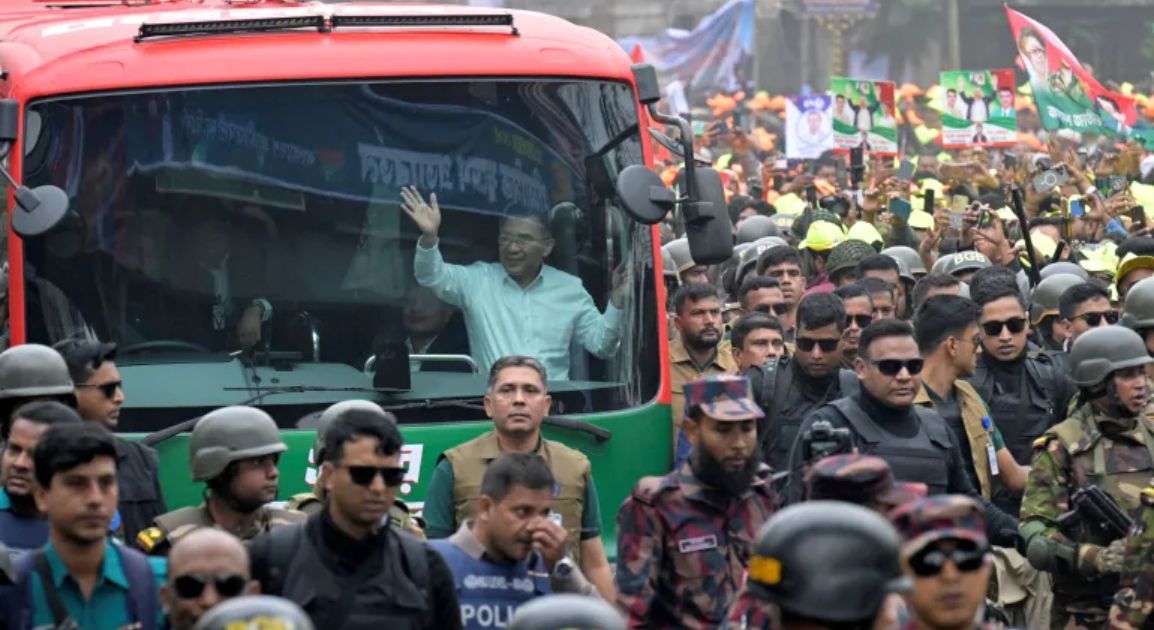
The recent spate of political violence in Bangladesh illustrates this dilemma with uncomfortable clarity. The killing of Sharif Osman Hadi in Dhaka, followed days later by the shooting of student leader Motaleb Shikder in Khulna, points to a crisis that is spreading rather than resolving. When violence recurs across locations and actors, the question that matters most is not who can be blamed rhetorically but which explanation best fits the pattern.

RelatedPosts

Redefining Terms of Truly Mutual Trade Deal: Sovereignty and Strategy in the US–Bangladesh Framework

Reviving Echoes of March 7, 1971: Sheikh Mujibur’s Call Against Pakistani Genocide and Betrayal of History

Bangladesh: A Rushed Vote Today, a Broken State Tomorrow

Load More

Post-transition periods are inherently unstable in Bangladesh. Authority is contested, institutions are recalibrating, and political incentives are in flux. In such moments, uncertainty lowers the cost of disruption. Groups that might otherwise remain marginal sense opportunity. Rival factions test boundaries. Spoilers—actors who benefit from disorder—move quickly, precisely because the system is least prepared to respond decisively.

In this context, blaming external forces can be politically tempting. It simplifies the narrative. It converts institutional weakness into national victimhood. It deflects uncomfortable questions about enforcement gaps, political restraint, and internal discipline. But convenience should not be confused with accuracy.

Externalising blame carries a hidden cost: it postpones internal correction. When violence is framed primarily as something imposed from outside, attention shifts away from domestic reforms that are urgently needed. Investigative failures are excused. Policing lapses are normalised. Political actors become less inclined to restrain their supporters, confident that responsibility can be displaced.

Over time, this dynamic erodes institutional credibility. Citizens lose faith in the state’s ability to protect them or deliver justice. Each unresolved incident becomes a precedent, teaching perpetrators that violence can be absorbed into the political system without consequence. The cycle deepens.

There is also a strategic cost. External blame tends to harden positions. It reduces the space for political compromise by recasting internal disputes as existential threats. Once conflicts are framed in these terms, moderation becomes politically risky. Leaders who call for restraint appear weak or naïve. Escalation, by contrast, is rewarded.

This is particularly damaging in societies with strong traditions of street mobilisation. When political legitimacy is contested on the streets as much as at the ballot box, symbolic acts of violence take on disproportionate weight. They become reference points for mobilisation, grievance, and identity. Externalising blame in such settings amplifies emotion without addressing the cause.

None of this suggests that external actors are irrelevant. Volatile political environments are always vulnerable to opportunistic exploitation. Disinformation spreads more easily when trust is low. Ideological alignment across borders can reinforce narratives that deepen polarisation. But exploitation thrives precisely because internal vulnerabilities already exist. Treating external influence as the primary cause risks mistaking acceleration for origin.

Also Read: Bangladesh: Student-led NCP splits over alliance with Jamaat-e-Islami

The distinction matters. When policymakers conflate exploitation with execution, they misallocate attention and resources. Efforts that should focus on restoring investigative credibility, depoliticising enforcement, and disciplining political actors are redirected toward rhetorical confrontation. The result is strategic drift.

Bangladesh’s stabilisation will not be achieved through narrative certainty alone. It requires institutional repair at a moment when institutions are under strain. That work is slow and politically costly. It demands transparency in investigations, restraint from political leadership, and a clear signal that violence will not be tolerated regardless of affiliation.

Avoiding this reckoning comes at a price. Political violence becomes normalised. Each incident raises the threshold for outrage. Citizens adapt to insecurity, and adaptation should never be mistaken for resilience. Over time, the political system becomes more brittle, not more stable.

There is also a longer-term risk. When internal failures are consistently attributed to external forces, the state’s capacity to learn diminishes. Policy becomes reactive rather than corrective. The same vulnerabilities recur because they are never fully acknowledged.

Stability, when it returns, will not be the product of blaming the right outsider. It will be the result of confronting uncomfortable internal truths. The crisis of Bangladesh is not unique in this respect. History shows that societies emerging from political upheaval stabilise fastest when they resist the urge to displace responsibility and instead invest in accountability at home. Blame can unify in the short term. Reform is harder. But only one of these paths leads to durable recovery.

Tags: Bangladesh ElectionDhakainstitutional credibility.Sharif Osman HadiTurbulent Bangladesh
ShareTweetSend
Previous Post

Imminent Hindu Genocide in Bangladesh: Exposed Conspiracy Signals Grave Threat to Minority Survival

Next Post

German Education Dream Turns Uncertain for Indian Students in Berlin

Related Posts

370, CAA, Naxalism and Now Infiltration: How Amit Shah Is Rewriting India’s Internal Security Doctrine
Politics

370, CAA, Naxalism and Now Infiltration: How Amit Shah Is Rewriting India’s Internal Security Doctrine

27 May 2026

For decades, India’s biggest internal security challenges survived not because the state lacked power, but because successive governments lacked...

BJP@12: From Antyodaya to Superpower Ambition, Modi’s New India Becomes the Party’s Biggest Political Pitch
Politics

BJP@12: From Antyodaya to Superpower Ambition, Modi’s New India Becomes the Party’s Biggest Political Pitch

26 May 2026

As the BJP-led NDA government completes 12 years in office, Prime Minister Narendra Modi has emerged as the face...

Delhi Braces for Dust Storm Fury as IMD Warns of Violent Winds, Toxic Air and Escalating Heatwave
Trending

Delhi Braces for Dust Storm Fury as IMD Warns of Violent Winds, Toxic Air and Escalating Heatwave

25 May 2026

Delhi-NCR is heading into another punishing spell of weather as the India Meteorological Department (IMD) warns of severe dust...

Load More

Leave a Reply Cancel reply

Your email address will not be published. Required fields are marked *

I agree to the Terms of use and Privacy Policy.
This site is protected by reCAPTCHA and the Google Privacy Policy and Terms of Service apply.

Currently Playing

From Runways to Warships: India’s Firefighting Warrior Built for Bases & Battles| IAF | VayuShakti

From Runways to Warships: India’s Firefighting Warrior Built for Bases & Battles| IAF | VayuShakti

00:05:40

Ethanol, EVs and Solar- How India’s Energy Game Is Changing | Modi on LPG & Crude Oil | war| Hormuz

00:05:21

Truth of IRIS Dena: 8 Days That Changed Narrative | War zone Reality, Not an Indian Navy Exercise

00:08:02

300 Million Euros for SCALP: Strategic Necessity or Costly Dependency on France300

00:04:06

Tejas Mk1A: 19th aircraft coupled but Not Delivered: What Is Holding Back the IAF Induction?

00:07:21
Facebook Twitter Instagram Youtube
tfipostTfipost.com
Right Wing | News Analysis | Indian Opinion
  • About us
  • Contact Us
  • Careers
  • Brand Partnerships
  • Terms of use
  • Privacy Policy
  • Sitemap

©2026 TFI Media Private Limited

No Result
View All Result
  • Premium
  • Politics
    • Analysis
    • Opinions
    • Trending
  • Economy
    • Business
    • Finance
  • Defense
    • Defence
    • Strategy
    • Weaponry
  • Geopolitics
    • Africa
    • Americas
    • Asia Pacific
    • Europe
    • South Asia
    • West Asia
  • Knowledge
    • Culture
    • History
    • Indology
  • Law
  • Lounge
    • Books
    • Cinema
    • Food
    • Health
    • Sports
    • technology
    • Travel
    • Satire
TFIPOST हिन्दी
TFIPOST Global

©2026 TFI Media Private Limited