




















Mucormycosis, or “black fungus,” is life-threatening but it is a very uncommon fungal infection brought on by molds referred to as mucormycetes. The fungi normally live in the environment mostly in soil, decayed organic material, and composted goods but turn lethal when they infect the human body, particularly in immunocompromised hosts.
The COVID-19 pandemic brought a lot of publicity to the outbreak of mucormycosis, especially in India, with attribution to post-COVID complications. Patients with weakened immunity from prolonged use of steroids, diabetes, organ transplant, or cancer patients were worst affected due to this infection.
Symptoms and Warning Signs
The most frequent type found in post-COVID patients is rhino-orbital-cerebral. Early indicators are:
- Stuffy nose or blackish nasal discharge
- Facial swelling or pain
- Headache and fever
- Double vision or blurred vision
- Loosening of teeth or toothache
Diagnosis and Treatment
Diagnosis usually includes imaging methods like MRI or CT scans, biopsy, and fungal cultures. Prompt medical attention is essential. Treatment entails:
- Intravenous antifungal drugs like Amphotericin B
- Surgical removal of infected tissue
- Treatment of predisposing conditions like diabetes
In late stages, unfortunately, surgical debridement of infected organs or facial segments may be required to salvage the patient’s life.
Prevention and Awareness
Prevention is by boosting immunity and controlling the risk factors. Control of diabetes, good hygiene, proper use of steroids, and immunocompromised patient follow-up through regular medical check-ups are the mainstay. Early diagnosis and health awareness programs can decrease mucormycosis mortality to a great extent.
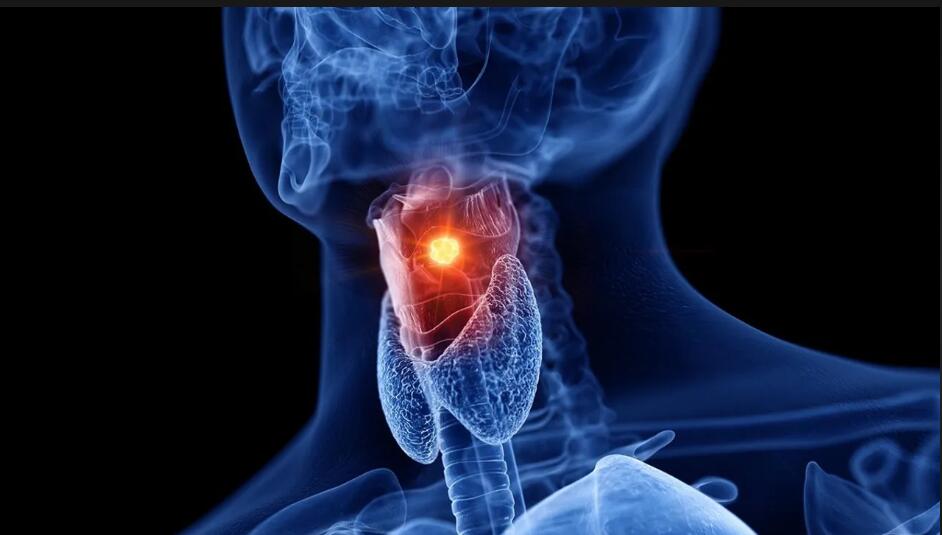
Throat Cancer: A Growing Health Concern
While less talked about than other cancers, it’s a deadly threat because of its effect on basic activities such as breathing, swallowing, and the ability to speak.
Alcohol and tobacco consumption are the primary offenders, but the new association with HPV throat cancer has thrown a different spin on its causation.
Early Symptoms That You Should Not Ignore
Throat cancer can have benign early symptoms, and you readily dismiss them. Some of the early symptoms are:
- Sore throat that lasts
- Alteration in hoarseness or voice
- Swallowing difficulty
- Painful ear
- Neck lump
- Unexplained weight loss
It can infect the surrounding tissues and lymph nodes if left untreated, and the chances of successful treatment become extremely low.
Diagnostic Method and Treatment Options
The diagnosis starts with a physical examination, following imaging procedures like X-rays, CT scan, MRI, or PET scan.
- Treatment is based on the stage, site, and overall health of the patient. Normal treatment options are:
- Radiation therapy: Often used in the treatment of early-stage cancers
- Surgery: Tumors that are limited to a specific area, like laryngectomy or pharyngectomy
- Chemotherapy: Often used together with radiation in more advanced cases
- Targeted therapy and immunotherapy: Emerging treatments for some forms of throat cancer
- Rehabilitation helps to get speech and swallowing abilities back after treatment, with speech therapy and dietary adjustments often needed.
Prevention and Lifestyle Changes
The most effective prevention measures are:
- Abstinence from tobacco use and moderate alcohol use
- Oral hygiene
- HPV vaccination
- Regular medical check-ups, particularly among individuals with increased risk
Conclusion:
Mucormycosis and pharyngeal carcinoma can both derive from very dissimilar etiologies one, a fungal infection; the other, a neoplastic tumor of malignancy but they both have in common: the deadly impact of delayed treatment and diagnosis. Despite all the advances medical science has made in curing both diseases, early diagnosis, higher public awareness, and aggressive healthcare treatments continue to be the key points for survival.
Empowering individuals with knowledge about these silent yet deadly culprits can prevent deaths. In a world that continues to deal with the consequences of the COVID-19 pandemic, it is even more important to listen, heed, and act expeditiously to the signals that our bodies are giving us.