








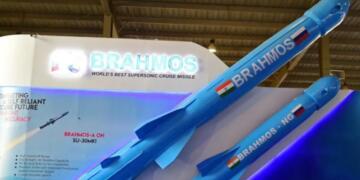















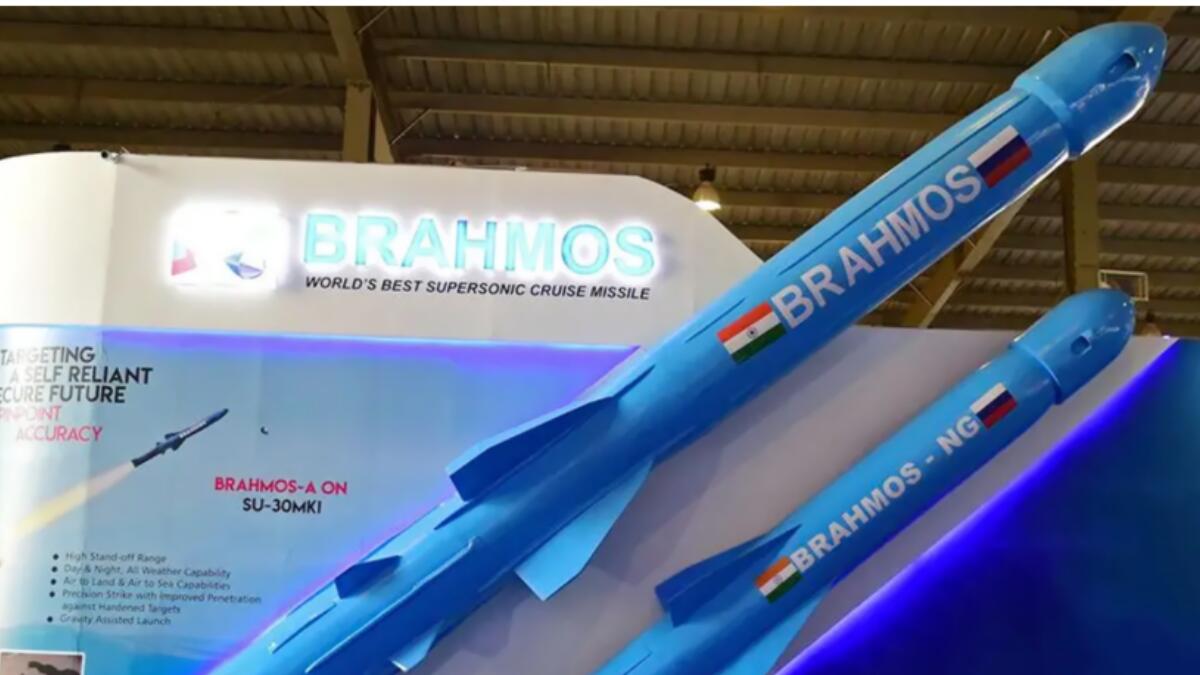
BrahMos Aerospace expects to develop the first prototype of its next-generation BrahMos-NG missile by 2027 or 2028, its Chief Executive Officer and Managing Director, Dr Jaiteerth Joshi, said on Thursday. A 1,500-km-range missile remains on the company’s future roadmap but is still at the conceptual stage, he added.
Speaking to ANI, Joshi said the BrahMos-NG is under development and will carry higher indigenous content, new technologies and advanced materials. This will require extensive research and development work, he said. The company has drawn up its plans and is moving ahead steadily, and further details will be shared once the missile is developed, he said.
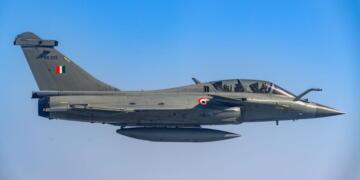
The NG will be built first in an airborne configuration. Joshi said several countries have expressed interest in it, as well as in the existing air-launched BrahMos. Some of them operate the Sukhoi-30 aircraft, which is also the backbone of the Indian Air Force’s fighter fleet, and want to arm it with the missile. He said BrahMos is in talks with all the interested parties.
He attributed the growing foreign interest to the missile’s combat record. Joshi said militaries want systems that can adapt quickly to a changing battlefield, and that BrahMos had struck its targets in real time during last year’s conflict without a single missile being intercepted. The Armed Forces used the weapon in active warfare for the first time during Operation Sindoor, hitting targets that included Pakistan’s Nur Khan airbase. Foreign militaries, he said, have since been asking more detailed questions about its operational and functional parameters.
On the 1,500-km range, Joshi said BrahMos has extended the missile’s reach in phases. Test firings from ground, sea and air platforms have validated ranges beyond the original 290 km, he said. The 1,500-km figure, however, is part of a longer-term plan that has not moved beyond the concept stage, and the company is discussing further upgrades with its joint venture partner. BrahMos is a joint venture between India and Russia.
Asked about the company’s priorities over the next five years, Joshi said the immediate task is to complete all orders received from the Armed Forces. He said the production units at Hyderabad, Nagpur, Pilani and the newest one at Lucknow are working at full capacity.
BrahMos also plans to speed up R&D by setting up what he called “Tech-bricks” for the niche technologies needed to develop and test the next-generation missile. The company also wants to strengthen its supply chain and build surge capacity for emergencies. Where each system or sub-system once relied on one or two industry partners, Joshi said BrahMos is willing to develop as many as 45 sources, which he said would also bring competition in quality and price.
Joshi said the missile has become a symbol of India’s defence capability and self-reliance, adding that it is “not just a missile anymore.”
India’s defence exports have reached Rs 38,400 crore, growing 62.7 per cent annually, according to ANI, and BrahMos is a cornerstone of that effort. On October 6, the Ministry of Defence signed a contract with BrahMos Aerospace to supply fire control systems and launchers for Indian Navy ships. The project carries a minimum of 68 per cent indigenous content and involves participation from Indian industry, including MSMEs.