

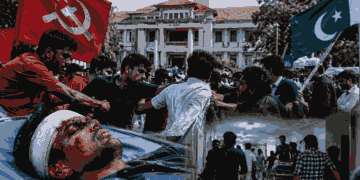

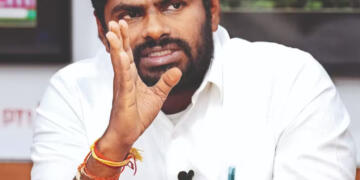








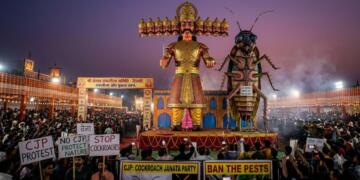








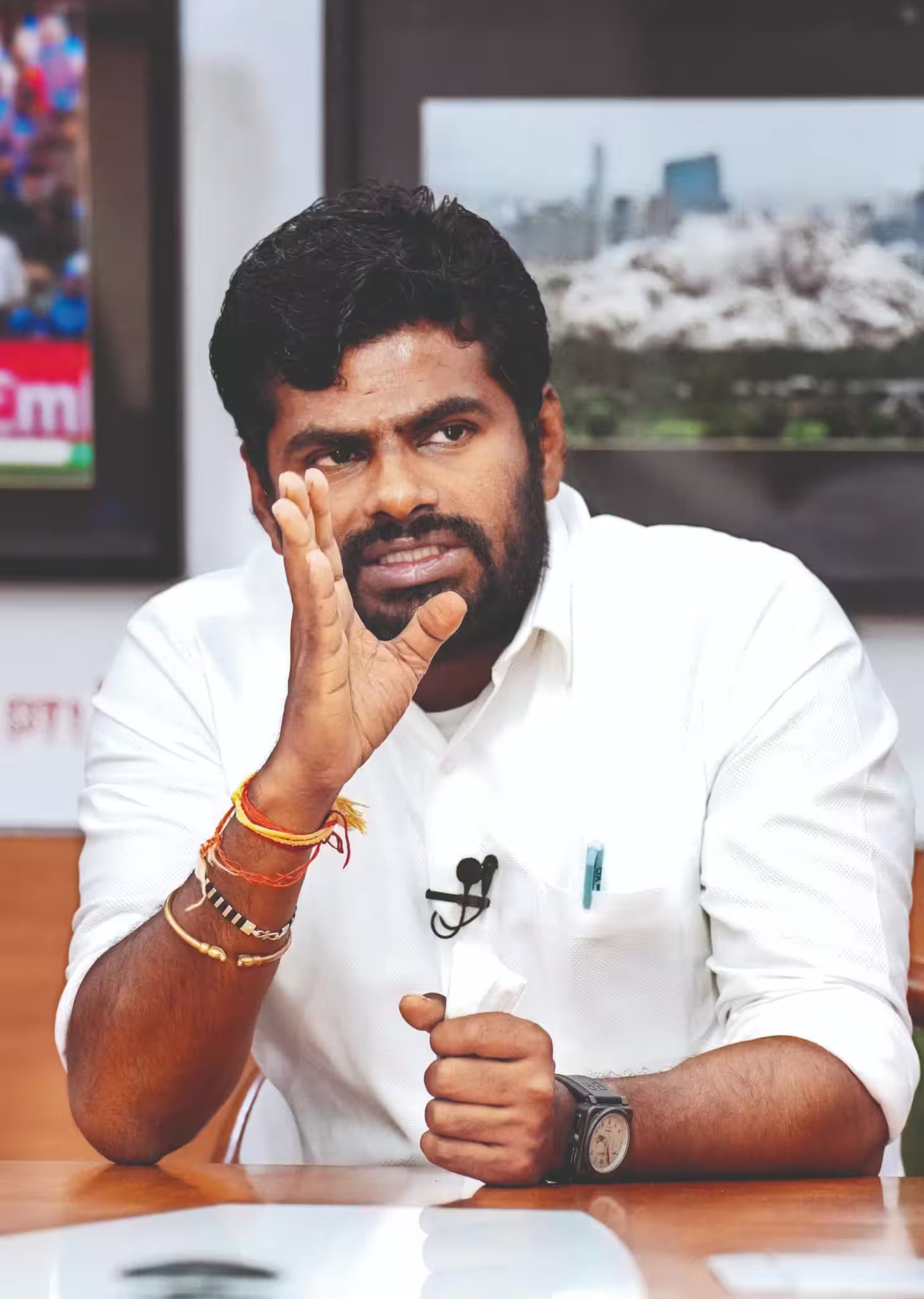
The controversy intensified after Annamalai questioned the detention of CJP leaders, the restrictions on protests at Jantar Mantar, and the procedures followed by Delhi Police during the demonstrations. In a series of remarks published on social media on October 21, 2026, he asked whether the BJP was inadvertently giving the CJP publicity by highlighting its activities. He also questioned whether the government’s response to dissent was consistent with democratic principles.
The intervention marked a significant departure in tone for a politician whose rise was closely associated with the BJP’s combative political style. A former Indian Police Service officer, Annamalai earned considerable attention in Tamil Nadu through his public speeches, anti-corruption messaging and confrontations with the Dravida Munnetra Kazhagam (DMK). His supporters viewed him as a disciplined, energetic leader capable of challenging the state’s established political order.
However, his departure from the BJP on June 5, 2026, has changed the political landscape he must navigate. Having launched an independent initiative called We The Leaders, he now faces the challenge of establishing a political identity that can attract voters without relying on the organisational machinery and established support base of his former party.
His latest remarks concerned the CJP’s protests seeking the removal of Chief Election Commissioner Gyanesh Kumar. Annamalai questioned the legality and fairness of certain preventive detention procedures, the rejection of sureties and the treatment of demonstrators. He maintained that although he disagreed with several of the group’s protest tactics, its members retained the right to question the government and raise political grievances.
The position has drawn criticism from BJP figures, who have accused him of inconsistency. Tamil Nadu BJP spokesperson Narayanan Thirupathy, for instance, questioned whether Annamalai had changed his stance on the Special Intensive Revision (SIR) of electoral rolls after leaving the party. According to the BJP’s criticism, he had previously defended the exercise as necessary to address alleged irregularities but was now more sympathetic to objections raised by political opponents.
The disagreement reflects a broader question about how politicians reinvent themselves after leaving an established party. Defending civil liberties and demanding procedural fairness are legitimate democratic positions. At the same time, critics can reasonably ask whether a politician applies those principles consistently, irrespective of who holds power or which political group benefits.
Another contentious element is the dispute over Jantar Mantar as a protest venue. Restrictions on demonstrations there have a longer history, including a 2017 National Green Tribunal order concerning noise and public nuisance on the residential stretch. Authorities subsequently designated alternative locations for protests. The central issue is therefore not simply whether demonstrations should be permitted, but how public order, access to protest spaces and citizens’ constitutional freedoms should be balanced.
Annamalai’s critics argue that his interventions risk giving a relatively unfamiliar political outfit disproportionate attention. His supporters, however, may see his willingness to challenge the government as evidence that he is prepared to act independently rather than remain bound by party discipline. Both interpretations will shape how his emerging political movement is received.
The more immediate challenge is electoral credibility. An independent political platform requires more than social media visibility, sharp speeches or controversy. It needs grassroots workers, a clear policy agenda, sustained engagement with local concerns and a credible strategy for competing against parties with deeper organisational networks in Tamil Nadu.
For Annamalai, that means demonstrating that his movement can address issues affecting ordinary people, from employment and public services to governance and political accountability. It also means clarifying how his priorities differ from those of the BJP, the DMK and other competing formations.
His political future will ultimately depend on whether he can translate his public profile into durable support. Criticism of a former party can attract attention, but attention alone does not build an electoral organisation. Nor does disagreement with the government automatically establish a convincing alternative.
The debate surrounding Annamalai is therefore about more than one controversy involving protesters in Delhi. It concerns the difficult transition from a prominent party leader to an independent political actor. Whether his new approach represents a principled evolution or a risky attempt at political repositioning remains to be seen. The decisive test will be whether voters find a coherent vision, consistent principles and a practical programme behind the rhetoric.
Reporting context: The article draws on the original opinion piece and contemporaneous reporting on the dispute, including coverage by The Indian Express and India Today. The source article presents a critical interpretation; its political judgments should be distinguished from independently reported events.