

















A confrontation in Rajasthan involving Cockroach Janata Party (CJP) workers has triggered a political controversy after villagers in Jaipur’s Rampura Kanwarpura said they themselves drove the visiting team away, contradicting allegations that BJP-linked individuals orchestrated an attack. The incident has placed Abhijeet Dipke, the CJP’s founding president, at the centre of a sharply contested narrative surrounding the events of Friday, August 21.
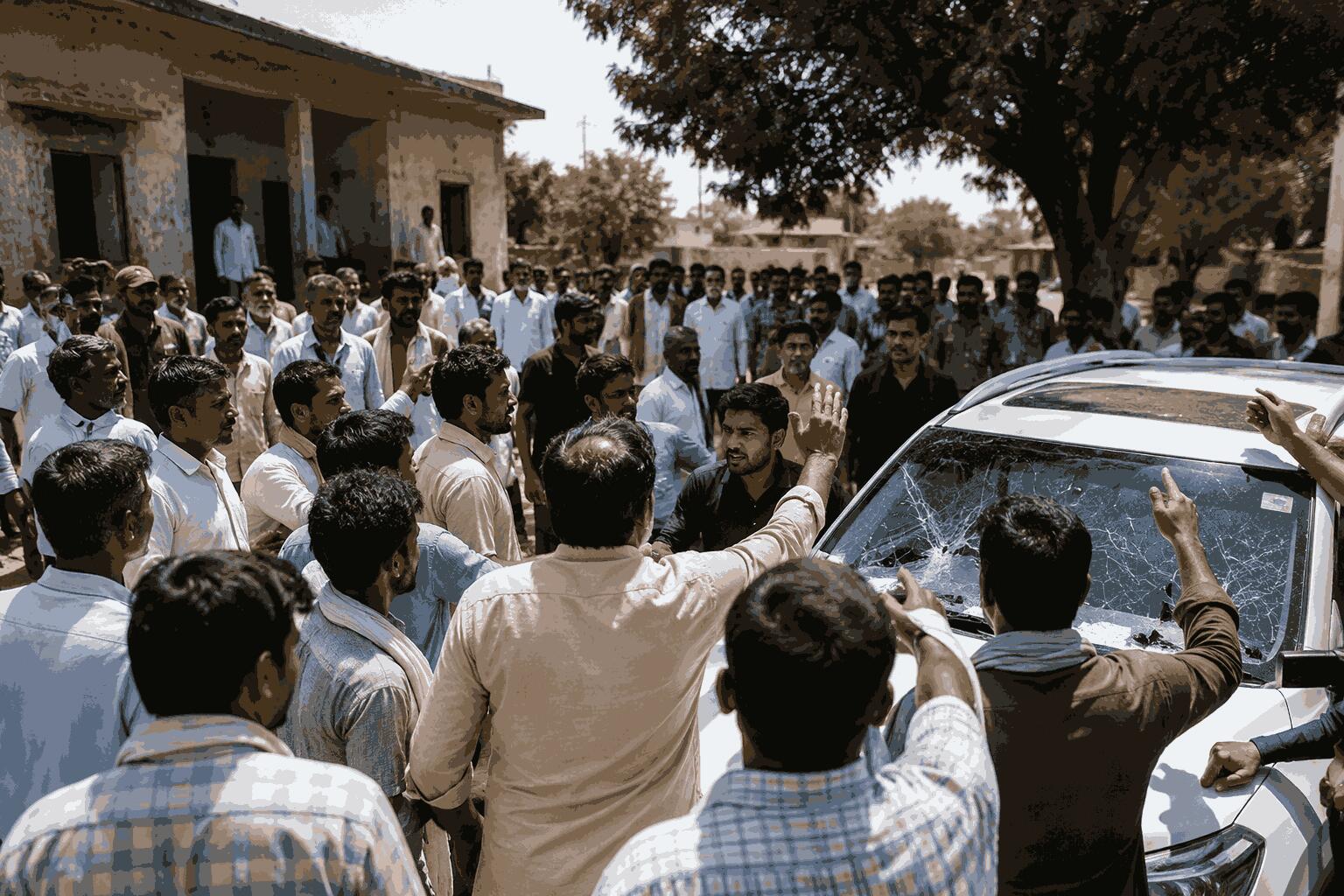
The CJP team had travelled to the village as part of its “School Thik Karo” campaign, under which the party has been visiting government schools to highlight alleged shortcomings in infrastructure and facilities. Co-convener Ashutosh Ranka was also present with members of the team. The visit, however, quickly turned confrontational as local residents reportedly stopped the group from entering the area and later staged a protest outside the government school.
According to the villagers’ account reported by OpIndia, residents had barricaded the approach road and were checking vehicles entering the locality after learning about the proposed CJP visit. The villagers reportedly objected to the team’s presence and accused its members of intending to damage or interfere with the school premises. The resulting confrontation ended with the CJP members being chased away from the area.
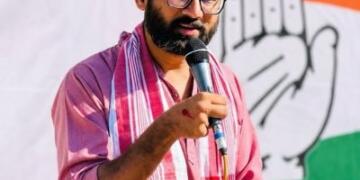
The episode assumed a much larger political dimension after Abhijeet Dipke publicly blamed the BJP. In posts on X, he alleged that BJP “goons” had attacked Ashutosh Ranka and other CJP volunteers, and questioned the Rajasthan Police over the incident. Other CJP representatives similarly alleged that vehicles had been damaged and volunteers assaulted.
Those allegations, however, have not been independently established. Hindustan Times reported that footage showed people confronting the CJP team, while noting that it could not independently verify Ranka’s claim that the people involved were affiliated with the BJP. This distinction is important because the confrontation itself is visible in publicly circulated footage, but the political identity and motivation of those involved remain disputed.
The villagers’ version adds another layer to the dispute. Rather than describing the confrontation as a BJP-organised assault, local residents said they had opposed the CJP team themselves. Reports also said villagers subsequently staged a sit-in outside the school. Their account challenges the attempt to immediately frame the incident as a confrontation between CJP activists and BJP workers.
For Abhijeet Dipke, the controversy is particularly significant because the CJP has sought to build its public identity around grassroots activism and campaigns on issues affecting students and public institutions. The Rajasthan school campaign was presented as an effort to draw attention to poor educational infrastructure. Reports from the incident indicate that the school’s condition itself was a genuine local issue, with accounts describing an unsafe main building and inadequate arrangements for students.
Ashutosh Ranka has maintained that the CJP team was assaulted and that a volunteer suffered a fractured arm. He also alleged that vehicle windows were smashed and phones damaged. Ranka subsequently demanded action against those responsible and criticised the authorities for failing to prevent the confrontation. However, the precise circumstances surrounding the alleged injuries and property damage require investigation rather than political assertion.
The BJP, meanwhile, has rejected the CJP’s allegations. BJP MLA Gopal Sharma dismissed the organisation while commenting on the controversy, reflecting the political hostility that has emerged between the two sides. With accusations and counter-accusations circulating rapidly, the episode has already moved beyond a local dispute over access to a school.
The dispute also highlights the difficulty of establishing facts during politically charged confrontations. Abhijeet Dipke made his allegations soon after reports of the clash emerged, while villagers offered a competing account of why the CJP team was prevented from proceeding. News organisations have likewise reported the competing versions, with some explicitly noting that claims of BJP involvement could not be independently verified.
For Abhijeet Dipke and the CJP, the incident could therefore become a test of how the organisation handles disputed allegations. The underlying issue of deteriorating government-school infrastructure remains important, but establishing who initiated the confrontation and whether political workers were involved will require credible evidence. Until such evidence emerges, the competing accounts should be treated with caution rather than as established fact.
At the heart of the controversy is a simple but consequential question: was the confrontation an organised political attack or a spontaneous backlash from villagers opposed to the CJP visit? Abhijeet Dipke has presented the former interpretation, while accounts from residents point towards the latter. The final answer will depend on independent verification, including eyewitness testimony, video evidence and any findings by the Rajasthan authorities.