



















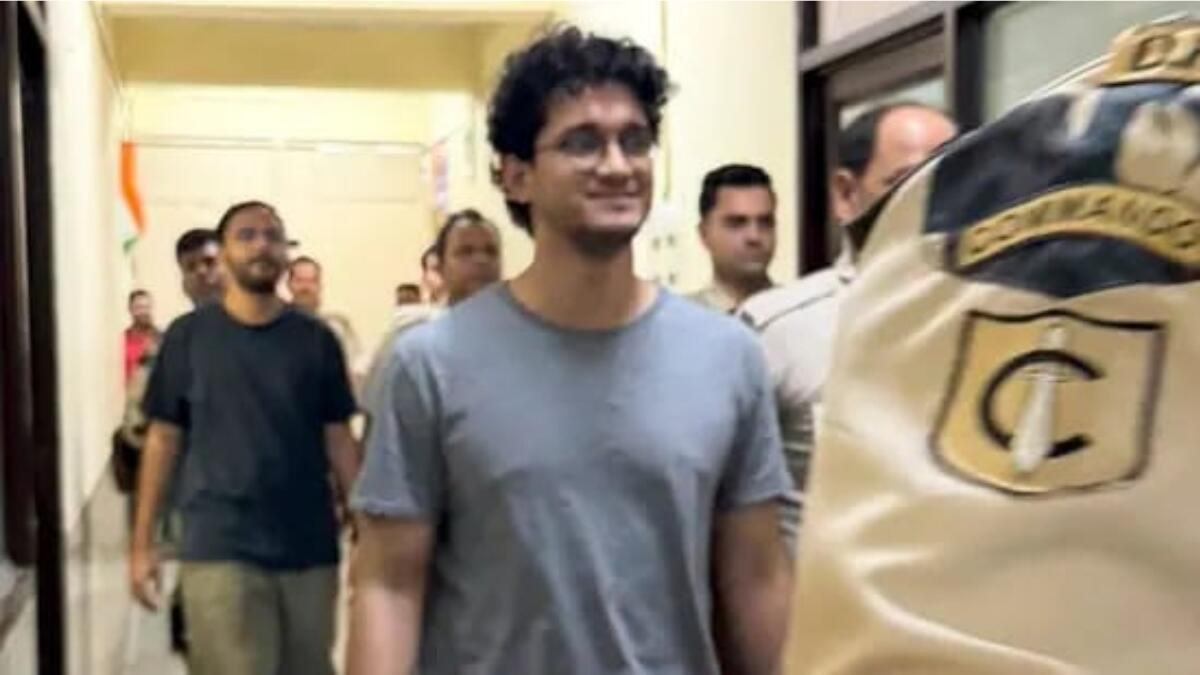
On Monday, a Special Executive Magistrate extended the judicial custody of Cockroach Janta Party (CJP) leaders Saurav Das and Ashutosh Ranka by two days. Delhi Police had sought five more. The pair remain in Tihar until Wednesday.
What stands out is less the procedural order than the profound political distance surrounding it. During the current movement against Chief Election Commissioner Gyanesh Kumar, mainstream opposition figures—most notably Rahul Gandhi—took center stage, dominating press conferences and driving the broader anti-government narrative. Alongside him, student leader Neha Bora served as the sharpest student face of the agitation. Yet, while high-profile politicians command media attention, no major opposition leader has stepped forward to publicly support or campaign for the release of the imprisoned CJP founders.
The Shift from NEET Protests to the CEC Demand
The movement’s trajectory shifted sharply after the initial July demonstrations over the NEET paper leaks. That first wave, anchored by student groups at Jantar Mantar, culminated in Education Minister Dharmendra Pradhan’s resignation.
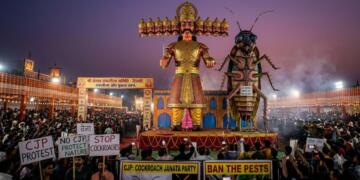
When the agitation transitioned into its second phase in October—targeting Chief Election Commissioner Gyanesh Kumar over alleged irregularities in the Special Intensive Revision (SIR) of electoral rolls—its political dynamics changed. Mainstream opposition parties stepped in aggressively. Rahul Gandhi held major press briefings, aligning the broader opposition bloc with the movement’s cause. Neha Bora, the 29-year-old AISA national president and JNU doctoral scholar, became the primary anchor on the ground, drawing international coverage following her 23-day hunger strike.
However, this political alignment created a clear divide: established party figures drove the public campaign, while the youth-led CJP structure was left vulnerable to targeted legal pressure.
How a Flag-Waving Protest Led to Tihar
The state’s response to the second round of protests relied on systematic administrative friction rather than high-profile mass arrests. On October 12, Jantar Mantar was removed from the list of designated protest venues. The following day, 14 CJP members were detained after allegedly entering through private premises. CJP stated its members were simply attempting to unfurl the national flag.
For Das and Ranka, a legal trap quickly shut. Having been detained on October 10, both had signed Rs 50,000 peace bonds promising to maintain order for a year. Delhi Police treated their presence at the de-notified site as a breach of these undertakings, registering cases covering criminal trespass, violation of prohibitory orders, breach of the peace bond, and obstruction of a public servant.
A predictable legal escalation followed: a de-listed venue, a signed undertaking, a remand, and a custody extension. On Monday, the magistrate noted that the duo had displayed a disregard for the law by calling a demonstration at a non-designated site. Legal observers noted these observations provide the rationale for temporary custody rather than a finding of guilt. The case was transferred to the Crime Branch on October 19. Meanwhile, the defense has challenged the process, questioning whether a Special Executive Magistrate has the constitutional authority to order judicial custody—a challenge that remains pending.
How the Government is Cooling Off the Agitation
Rather than risking the public backlash of a single, explosive crackdown, the government appears to be cooling the protests through a process of attrition. Heavy police presence and metal barricades now seal off central Delhi’s traditional protest grounds. Demonstrations are systematically scattered to peripheral locations, depriving the movement of visibility.
Concurrently, key organizers face relentless administrative interruptions. Since October 2, Neha Bora has been repeatedly detained for short intervals—on October 4 in Narela, October 10 from a demonstration, and October 16 at an Anti-Narcotic Task Force office in Mangolpuri. Though she made headlines for evading police detentions, her public commentary has noticeably quieted since mid-October.
By isolating grassroots organizers in custody and forcing others to fight routine legal battles, the authorities have effectively slowed the movement’s momentum, shifting public focus away from electoral roll revisions toward routine law-and-order management.
Left in Tihar Without Political Backing
Official sources maintain that these actions represent standard law enforcement: venues were lawfully de-notified, undertakings were broken, and magistrates acted within routine preventive powers to avert public order disruptions. CJP founder Abhijeet Dipke countered by calling the custody “an unofficial emergency”.
Yet, the fundamental vulnerability of the CJP lies in its political isolation. While opposition leaders like Rahul Gandhi utilized the momentum of the anti-CEC movement for larger national narratives, they have offered no institutional cover or active solidarity to the CJP organizers sitting in Tihar. The party’s own leadership continues to issue statements, and student groups like AISA held minor demonstrations near Mandi House. However, without sustained backing from the heavyweights who dominated the stage, the custody of Das and Ranka is being successfully framed as a minor legal infraction rather than a political flashpoint.