















Diplomatic speeches rarely travel far beyond the chamber. This one did, though not for the reason the speaker intended.
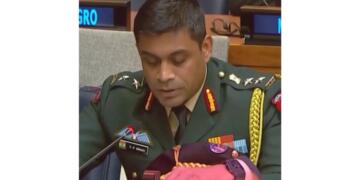
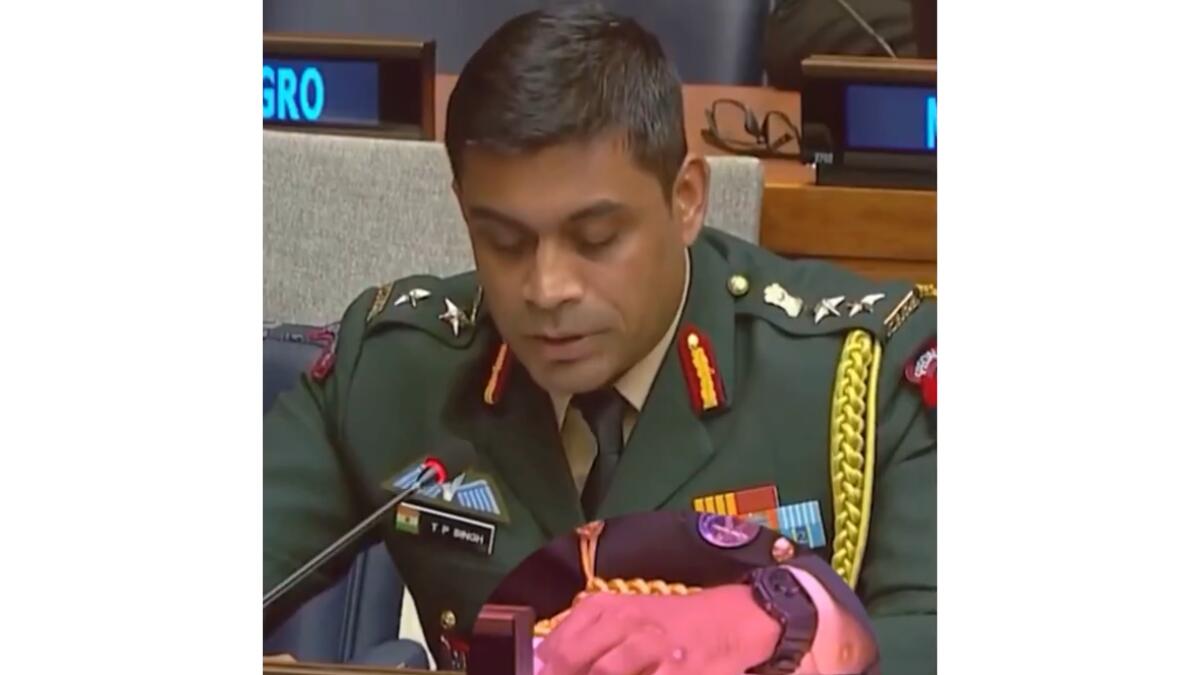
Colonel Tarunendra Pratap Singh, Military Adviser at India’s Permanent Mission to the United Nations, rose to speak on the future of UN peacekeeping. His remarks dealt with the dangers faced by personnel in conflict zones. Within hours, clips of the address were circulating widely, and the talking point was not policy. According to the Free Press Journal, viewers had spotted prominent calluses on his knuckles during the speech.
What he actually said
Behind the viral frames was a substantive message. Singh spoke about India’s long contribution to UN peacekeeping and the need to make missions safer and more effective. He called for stronger measures to protect peacekeepers against emerging threats, including asymmetric warfare and technology-enabled attacks.
The concerns reflect how peacekeeping has changed. Blue-helmet contingents are increasingly deployed in places where there is little peace to keep, and where adversaries may use drones, improvised devices and other low-cost technology against them. A call to adapt training, equipment and protection to those realities is a practical one, and it comes from a country with deep experience. India is among the largest contributors to UN missions, having provided, by the Army’s own account reported earlier, around 287,000 troops to various missions.
Singh also tied peacekeeping to India’s diplomatic ambitions, reiterating that it remains a priority as the country seeks a non-permanent seat on the Security Council for the 2028-29 term.
The knuckles
Cameras, however, lingered elsewhere. Photographs and video stills showed hardened, thickened skin across his knuckles, the sort of marks that often draw curiosity about discipline and training. Social media users filled the gap with theories. Some posts connected him to the Army’s 21 Para Special Forces. That link has not been confirmed, and the circumstances behind the calluses have not been independently established. Neither the Army nor the Mission has been reported as commenting on the matter.
That distinction matters. A viral image invites stories, and the stories grow faster than the facts. What can be said is limited: a serving officer gave a speech at a major international forum, and the internet found his hands more interesting than his words.
A small lesson in attention
There is an irony in the episode. A speech about protecting those who serve in the world’s most dangerous places drew attention for a physical detail that says little about its argument. Yet the attention may carry an unintended benefit. Many viewers who had never followed a UN peacekeeping debate watched a clip about it, and some will have heard the central point: that the people who carry the UN flag into conflict zones need better protection against modern threats.
For Colonel Singh, the moment was likely not one he sought. For the cause he spoke about, it was an unexpected audience.