






















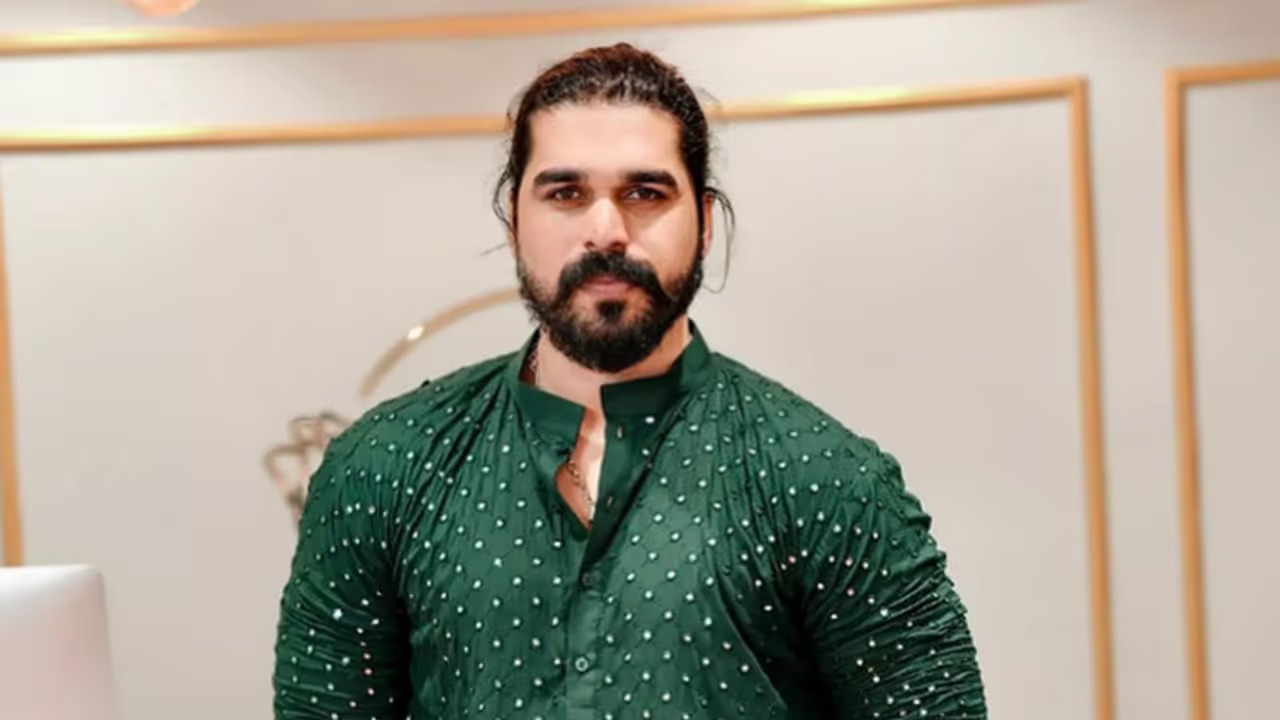
A fresh controversy involving Beef consumption has ignited debate across social media and television circles, with allegations surfacing against Shiyas Kareem, a former participant of Bigg Boss Malayalam. The incident, reportedly involving an argument over dietary choices, has triggered sharp reactions, raising questions about personal freedom, coercion, and the role of public figures in influencing behaviour.
The controversy centres on claims that Kareem allegedly pressured a fellow television personality to consume Beef despite her reluctance. According to reports and circulating accounts, the incident involved a heated exchange in which the woman resisted the demand, leading to a broader debate on whether food choices can become a site of social or ideological conflict. While the full details remain contested, the narrative has quickly gained traction online.
This episode has drawn attention not just because of the personalities involved, but also due to the cultural sensitivity surrounding Beef in India. Food habits, often tied to religious and cultural identities, can become flashpoints for larger ideological battles. In this case, critics argue that attempting to impose Beef consumption—if the allegations are accurate—represents a violation of individual autonomy.
The issue has also revived discussions about the responsibilities of celebrities. Figures like Kareem, who gained visibility through reality television, often command significant influence among audiences. Bigg Boss Malayalam, hosted by Mohanlal, has produced numerous public personalities whose statements and actions attract scrutiny. ) In such a context, controversies involving Beef-related remarks or actions tend to resonate widely.
At the same time, Kareem is no stranger to public controversy. He has previously been embroiled in serious legal allegations, including a sexual assault case filed by a woman who accused him of exploitation and fraud. Authorities arrested him in connection with the case, which involved allegations of assault under the promise of marriage and financial deception. While Kareem has denied these accusations, claiming they are fabricated, the episode continues to shape public perceptions of his conduct.
The current Beef-related controversy, therefore, is unfolding against an already complex backdrop. Supporters of Kareem argue that social media narratives can often distort facts and that allegations should not be accepted without verification. Critics, however, contend that even the suggestion of coercion in matters of personal choice—especially something as sensitive as Beef consumption—raises serious concerns.
Beyond the immediate incident, the debate reflects a broader tension within Indian society. Food, identity, and politics are deeply intertwined, and controversies around Beef frequently become symbolic of larger ideological divides. In this context, any perceived attempt to impose dietary choices can quickly escalate into a national conversation.
The role of digital media has been crucial in amplifying this issue. Clips, posts, and commentary have circulated rapidly, often without full context, shaping public opinion in real time. This has led to polarised responses, with some framing the incident as an example of cultural insensitivity, while others view it as a misrepresented or exaggerated exchange.
Importantly, the controversy also highlights the need for accountability and clarity. If the allegations regarding Beef coercion are substantiated, they would underscore the importance of respecting individual boundaries, particularly in diverse societies. On the other hand, if the claims are found to be inaccurate or misleading, it would point to the dangers of trial by social media.
As discussions continue, the incident serves as a reminder of how quickly personal disputes can evolve into public controversies. The intersection of celebrity culture, social media, and sensitive cultural issues like Beef consumption creates a volatile mix where narratives can spiral beyond the original event.
Ultimately, the focus must remain on facts and fairness. Whether it is about Beef or broader questions of personal liberty, the principle that individuals should have the freedom to make their own choices remains central. The unfolding debate around Kareem is not just about a single incident—it is about how society negotiates the delicate balance between personal freedom, cultural identity, and public accountability.