





















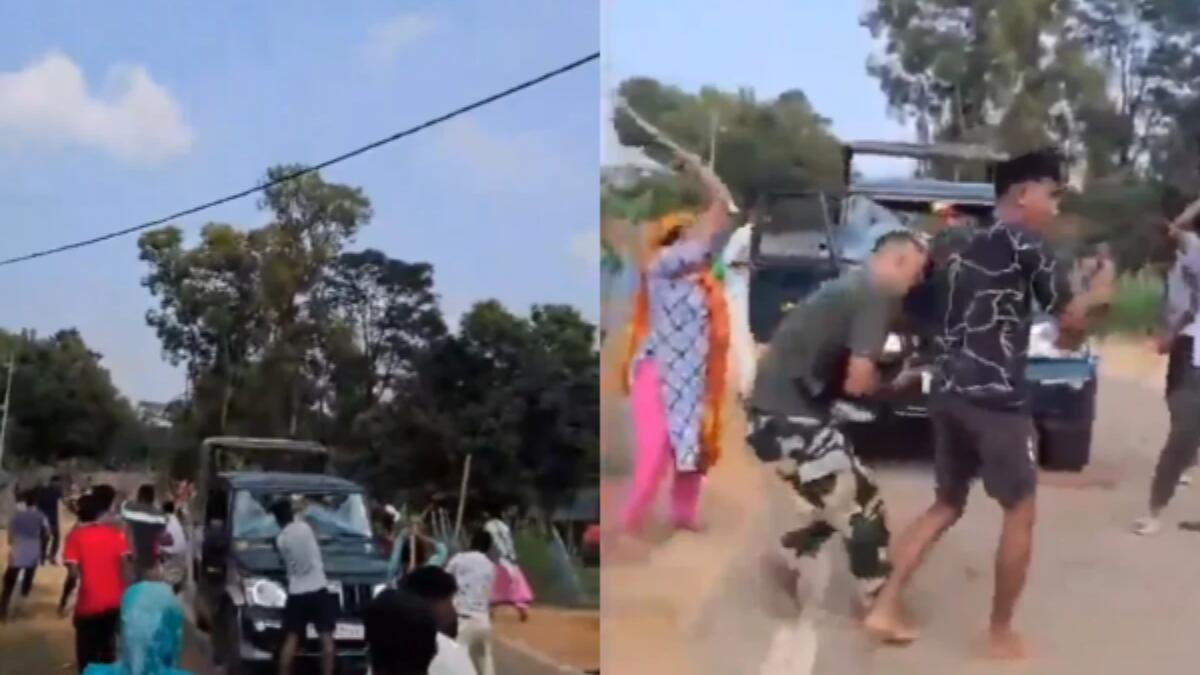
A confrontation over the detention of a suspected smuggler on the India-Bangladesh border in Tripura turned violent on Monday, leaving three Border Security Force personnel injured. Police said on Tuesday that nine people, including three women, have been arrested over the attack at Ashabari in Sepahijala district. The incident has drawn condemnation from across the political spectrum and raised familiar questions about how security forces and border communities coexist.
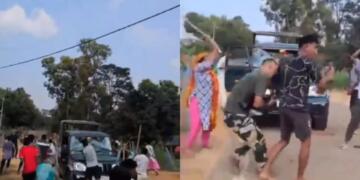
The trouble began with a routine anti-smuggling action. BSF jawans rushed to the spot and apprehended an Indian smuggler. Villagers protested the detention by blocking the road. The confrontation escalated when a BSF vehicle reached the blockade. The vehicle carrying three BSF personnel was allegedly attacked with sticks and bamboo poles, and the mob vandalised it and tried to snatch arms. The attackers allegedly tried to take the rifle of one jawan and damaged the vehicle. Three personnel, including the Company Commander, were hurt and taken to a government hospital, and one of the attackers was also injured. Senior BSF and police officials rushed to the scene and brought the situation under control.
The two versions
The police and BSF account describes an unprovoked mob assault on a patrol after a lawful detention. A different framing appears in some reports. Police sources said villagers blocked the road to protest an alleged assault on a local resident by BSF personnel. The competing narratives are reflected in the legal process. Police have registered complaints from both the BSF and local villagers at Kalamchoura police station. The allegation against the BSF is yet to be examined, and nothing in the available accounts establishes whether it has substance.
The arrests followed quickly. A search operation launched on Monday night is continuing to find the remaining accused. Chief Minister Manik Saha condemned the incident in strong terms. He called the assault brutal and said security personnel deserve the utmost respect and protection. The criticism was not limited to the ruling side. Leader of Opposition and senior Left leader Jitendra Chaudhury also strongly condemned the attack.
Why the border is a flashpoint
Tripura shares a long, porous frontier with Bangladesh, and much of the land along it is densely populated, with villages close to the boundary and farmland running up to the fence. Cattle, narcotics and other goods have moved across for decades, and enforcement against that trade puts the BSF in daily contact with local residents, some of whom depend on the informal economy. That friction has produced violent episodes before. In an earlier clash in South Tripura, the BSF said three smugglers died when troops fired in self-defence after being attacked with sticks and machetes, while locals alleged a molestation attempt and rejected the BSF’s claim. The BSF ordered an inquiry and the Union Home Minister sought a detailed report. The pattern is that an arrest or an arrest attempt becomes a crowd confrontation, and each side tells a different story afterwards.
Three questions will decide how this episode is remembered. The first is whether the remaining accused are arrested and charged. The second is whether the villagers’ complaint against the BSF is investigated with the same seriousness as the attack on the personnel. The third is whether the border administration finds ways to reduce such confrontations, through community outreach, clearer procedures for detentions near villages, and joint patrols with local police. For now, the investigation at Kalamchoura police station will determine which account the courts eventually hear.