




















In a fresh new development, India co-sponsored a United Nations Security Council (UNSC) resolution condemning the “egregious” attacks by Iran on Gulf Cooperation Council (GCC) countries and Jordan, demanding that Tehran immediately cease all aggressive actions.
According to media reports, the 15-nation UNSC, currently presided over by the United States, adopted the resolution on Wednesday with 13 votes in favour, none against, and abstentions from the permanent members China and Russia.
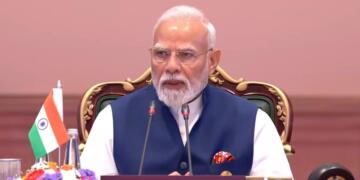
India’s move aligns with Prime Minister Narendra Modi’s earlier condemnation of Iran’s attacks, which violated the territorial integrity and sovereignty of the Gulf states. The resolution, led by Bahrain, was co-sponsored by 135 countries, including Australia, Canada, France, Germany, Japan, Kuwait, Saudi Arabia, the UAE, the UK, and the US.
Support for Gulf States’ Sovereignty
The resolution reaffirmed its full support for the territorial integrity, sovereignty, and political independence of Bahrain, Kuwait, Oman, Qatar, Saudi Arabia, the UAE, and Jordan. It strongly condemned Iran’s attacks as a breach of international law and a serious threat to international peace and security.
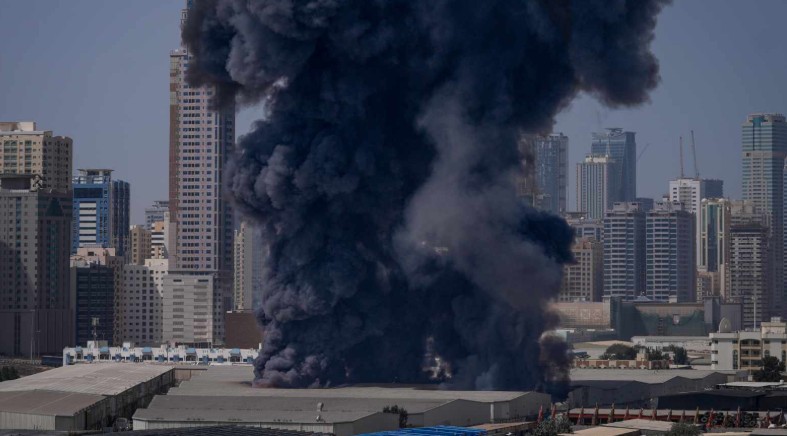
It also highlighted the targeting of residential areas and civilian objects, resulting in casualties and property damage, and expressed solidarity with the affected nations and their people.
Maritime Security and Navigational Rights
The resolution stressed that the exercise of navigational rights by merchant and commercial vessels, in line with international law, must be respected, particularly in key maritime routes such as the Strait of Hormuz and the Bab Al Mandab. It condemned any threats or attempts by Iran to obstruct international navigation or maritime security and recognised the right of member states to defend their vessels against attacks or provocations.
Immediate Cessation of Hostilities Demanded
The UNSC demanded that Iran immediately and unconditionally stop all attacks on GCC countries and Jordan, refrain from any provocation, and comply with international law, including humanitarian law protecting civilians and civilian infrastructure.
In contrast, a Russian-drafted proposal calling for a general cessation of military activity without naming any party failed to receive the nine votes required for adoption.