



















TFIPOST हिन्दी
TFIPOST Global
Tfipost.com
Tfipost.com
No Result
View All Result
  • Premium
  • Politics
    • All
    • Analysis
    • Opinions
    • Trending
    Rajasthan Civic Polls 2026: BJP Extends Its Dominance Across Urban Rajasthan

    Rajasthan Civic Polls 2026: BJP Extends Its Dominance Across Urban Rajasthan

    Why Ladakh’s Statehood Movement Is Shifting Gears

    Why Ladakh’s Statehood Movement Is Shifting Gears

    Bhaskar Report: Bihar Coaching Hub Under Fire Over Alleged Student Brainwashing

    Bhaskar Report: Bihar Coaching Hub Under Fire Over Alleged Student Brainwashing

    UK Break-Up Fears Rise as Nations Seek Self-Determination

    UK Break-Up Fears Rise as Nations Seek Self-Determination

    • Analysis
    • Opinions
    • Trending
  • Economy
    • All
    • Business
    • Economy1
    • Finance
    Money Back Plan for Parents: A Smart Way to Plan for Your Child’s Future

    Money Back Plan for Parents: A Smart Way to Plan for Your Child’s Future

    Need a bank account today? Open one online in minutes

    Need a bank account today? Open one online in minutes

    Do You Still Need Term Insurance If You Have ₹50 Lakh Employer Cover?

    Do You Still Need Term Insurance If You Have ₹50 Lakh Employer Cover?

    What the UAE’s 2026 Corporate Tax Rules Actually Mean for a Free Zone Company

    What the UAE’s 2026 Corporate Tax Rules Actually Mean for a Free Zone Company

    • Business
    • Finance
  • Defense
    • All
    • Defence
    • Strategy
    • Weaponry
    CNS Adm Krishna Swaminathan Visits New Zealand to Deepen Maritime Ties with RNZN

    CNS Adm Krishna Swaminathan Visits New Zealand to Deepen Maritime Ties with RNZN

    Chinese Troop Levels at LAC Fall as MoD Report Details Operation Sindoor Strikes

    Chinese Troop Levels at LAC Fall as MoD Report Details Operation Sindoor Strikes

    INS Kulish Arrives at Cambodia’s Ream Naval Base Under Eastern Fleet Deployment

    INS Kulish Arrives at Cambodia’s Ream Naval Base Under Eastern Fleet Deployment

    The Missing Layer: How Russia’s Pantsir-S1M Would Plug India’s S-400 Gap

    The Missing Layer: How Russia’s Pantsir-S1M Would Plug India’s S-400 Gap

    • Defence
    • Strategy
    • Weaponry
  • Geopolitics
    • All
    • Africa
    • Americas
    • Asia Pacific
    • Europe
    • South Asia
    • West Asia
    CIA Files Declassified for 9/11 Anniversary Reveal Bin Laden Eyed India as Target Years Before 2001 Attacks

    CIA Files Declassified for 9/11 Anniversary Reveal Bin Laden Eyed India as Target Years Before 2001 Attacks

    World Leaders Head Home as BRICS Summit Wraps Up in Delhi

    World Leaders Head Home as BRICS Summit Wraps Up in Delhi

    Modi Calls for “Concrete Results” as BRICS Wraps Up in Delhi, Hands Chairship to China

    Modi Calls for “Concrete Results” as BRICS Wraps Up in Delhi, Hands Chairship to China

    Between the Sessions: Millets, Mithai and a Malaysian PM Who Loves His Bollywood

    Between the Sessions: Millets, Mithai and a Malaysian PM Who Loves His Bollywood

    • Africa
    • Americas
    • Asia Pacific
    • Europe
    • South Asia
    • West Asia
  • Knowledge
    • All
    • Culture
    • Education
    • History
    • Indology
    What Skills Will You Gain from a Strategic Leadership Course

    What Skills Will You Gain from a Strategic Leadership Course

    Young Indian Gen Z exploring Sanatan Dharma through smartphones, social media and the Bhagavad Gita

    Ancient Roots, Digital Minds: The Rise of Sanatani Gen Z

    Break into QA Jobs Faster with Automation Testing Course from StarAgile

    Break into QA Jobs Faster with Automation Testing Course from StarAgile

    Which JEE Online Coaching Is Best for JEE Mains 2027?

    Which JEE Online Coaching Is Best for JEE Mains 2027?

    • Culture
    • History
    • Indology
  • Law
  • Lounge
    • All
    • Books
    • Cinema
    • Entertainment
    • Food
    • Games
    • Health
    • Lifestyle
    • Satire
    • Sports
    • technology
    • Travel
    Champions With Principles: India’s Women Show the World How to Win With Dignity

    Champions With Principles: India’s Women Show the World How to Win With Dignity

    How Sports Betting Changed My Understanding of Risk in Indian Politics

    How Sports Betting Changed My Understanding of Risk in Indian Politics

    How Mobile Proxies Engine Global Media Monitoring and International OSINT Pipelines

    How Mobile Proxies Engine Global Media Monitoring and International OSINT Pipelines

    Digital Sovereignty and Telecommunications Privacy: Safeguarding Personal Identifiers in Modern Geopolitics

    Digital Sovereignty and Telecommunications Privacy: Safeguarding Personal Identifiers in Modern Geopolitics

    • Books
    • Cinema
    • Food
    • Health
    • Sports
    • technology
    • Travel
    • Satire
Tfipost.com
  • Premium
  • Politics
    • All
    • Analysis
    • Opinions
    • Trending
    Rajasthan Civic Polls 2026: BJP Extends Its Dominance Across Urban Rajasthan

    Rajasthan Civic Polls 2026: BJP Extends Its Dominance Across Urban Rajasthan

    Why Ladakh’s Statehood Movement Is Shifting Gears

    Why Ladakh’s Statehood Movement Is Shifting Gears

    Bhaskar Report: Bihar Coaching Hub Under Fire Over Alleged Student Brainwashing

    Bhaskar Report: Bihar Coaching Hub Under Fire Over Alleged Student Brainwashing

    UK Break-Up Fears Rise as Nations Seek Self-Determination

    UK Break-Up Fears Rise as Nations Seek Self-Determination

    • Analysis
    • Opinions
    • Trending
  • Economy
    • All
    • Business
    • Economy1
    • Finance
    Money Back Plan for Parents: A Smart Way to Plan for Your Child’s Future

    Money Back Plan for Parents: A Smart Way to Plan for Your Child’s Future

    Need a bank account today? Open one online in minutes

    Need a bank account today? Open one online in minutes

    Do You Still Need Term Insurance If You Have ₹50 Lakh Employer Cover?

    Do You Still Need Term Insurance If You Have ₹50 Lakh Employer Cover?

    What the UAE’s 2026 Corporate Tax Rules Actually Mean for a Free Zone Company

    What the UAE’s 2026 Corporate Tax Rules Actually Mean for a Free Zone Company

    • Business
    • Finance
  • Defense
    • All
    • Defence
    • Strategy
    • Weaponry
    CNS Adm Krishna Swaminathan Visits New Zealand to Deepen Maritime Ties with RNZN

    CNS Adm Krishna Swaminathan Visits New Zealand to Deepen Maritime Ties with RNZN

    Chinese Troop Levels at LAC Fall as MoD Report Details Operation Sindoor Strikes

    Chinese Troop Levels at LAC Fall as MoD Report Details Operation Sindoor Strikes

    INS Kulish Arrives at Cambodia’s Ream Naval Base Under Eastern Fleet Deployment

    INS Kulish Arrives at Cambodia’s Ream Naval Base Under Eastern Fleet Deployment

    The Missing Layer: How Russia’s Pantsir-S1M Would Plug India’s S-400 Gap

    The Missing Layer: How Russia’s Pantsir-S1M Would Plug India’s S-400 Gap

    • Defence
    • Strategy
    • Weaponry
  • Geopolitics
    • All
    • Africa
    • Americas
    • Asia Pacific
    • Europe
    • South Asia
    • West Asia
    CIA Files Declassified for 9/11 Anniversary Reveal Bin Laden Eyed India as Target Years Before 2001 Attacks

    CIA Files Declassified for 9/11 Anniversary Reveal Bin Laden Eyed India as Target Years Before 2001 Attacks

    World Leaders Head Home as BRICS Summit Wraps Up in Delhi

    World Leaders Head Home as BRICS Summit Wraps Up in Delhi

    Modi Calls for “Concrete Results” as BRICS Wraps Up in Delhi, Hands Chairship to China

    Modi Calls for “Concrete Results” as BRICS Wraps Up in Delhi, Hands Chairship to China

    Between the Sessions: Millets, Mithai and a Malaysian PM Who Loves His Bollywood

    Between the Sessions: Millets, Mithai and a Malaysian PM Who Loves His Bollywood

    • Africa
    • Americas
    • Asia Pacific
    • Europe
    • South Asia
    • West Asia
  • Knowledge
    • All
    • Culture
    • Education
    • History
    • Indology
    What Skills Will You Gain from a Strategic Leadership Course

    What Skills Will You Gain from a Strategic Leadership Course

    Young Indian Gen Z exploring Sanatan Dharma through smartphones, social media and the Bhagavad Gita

    Ancient Roots, Digital Minds: The Rise of Sanatani Gen Z

    Break into QA Jobs Faster with Automation Testing Course from StarAgile

    Break into QA Jobs Faster with Automation Testing Course from StarAgile

    Which JEE Online Coaching Is Best for JEE Mains 2027?

    Which JEE Online Coaching Is Best for JEE Mains 2027?

    • Culture
    • History
    • Indology
  • Law
  • Lounge
    • All
    • Books
    • Cinema
    • Entertainment
    • Food
    • Games
    • Health
    • Lifestyle
    • Satire
    • Sports
    • technology
    • Travel
    Champions With Principles: India’s Women Show the World How to Win With Dignity

    Champions With Principles: India’s Women Show the World How to Win With Dignity

    How Sports Betting Changed My Understanding of Risk in Indian Politics

    How Sports Betting Changed My Understanding of Risk in Indian Politics

    How Mobile Proxies Engine Global Media Monitoring and International OSINT Pipelines

    How Mobile Proxies Engine Global Media Monitoring and International OSINT Pipelines

    Digital Sovereignty and Telecommunications Privacy: Safeguarding Personal Identifiers in Modern Geopolitics

    Digital Sovereignty and Telecommunications Privacy: Safeguarding Personal Identifiers in Modern Geopolitics

    • Books
    • Cinema
    • Food
    • Health
    • Sports
    • technology
    • Travel
    • Satire
No Result
View All Result
Tfipost.com
Tfipost.com
No Result
View All Result
  • Premium
  • Politics
  • Economy
  • Defense
  • Geopolitics
  • Knowledge
  • Law
  • Lounge

Maniben’s Diary: Nehru Proposed Babri Masjid Funding, Patel Said No

TFI Desk by TFI Desk
4 December 2025
in Trending
Maniben’s Diary: Nehru Proposed Babri Masjid Funding, Patel Said No
Share on FacebookShare on X

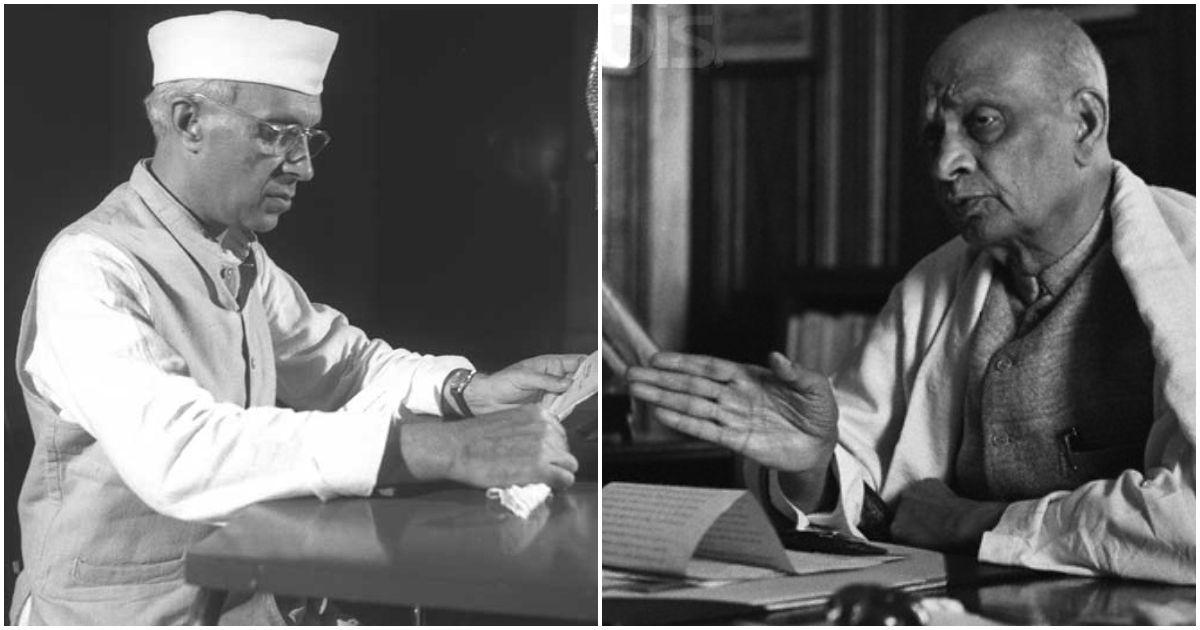
History often reveals its most significant truths not through sweeping proclamations but through quiet entries in personal diaries. One such revelation appears in Inside Story of Sardar Patel: The Diary of Maniben Patel (1936–1950), a primary source that records private political conversations at the highest levels of India’s early leadership. The crux of the matter is that according to Maniben’s diary, Jawaharlal Nehru raised the idea of rebuilding the Babri Masjid using government funds, and Sardar Patel firmly declined. The passage forms part of Maniben Patel’s detailed notes, which in turn have been reproduced in a published historical document. The significance lies not in political sensationalism but in what these notes reveal about the differing philosophies of two central figures during India’s formative years.

Maniben’s diary entry describes a conversation dated September 20, 1950. In it, Maniben records that Nehru brought up the Babri Masjid issue with Patel, evidently expecting that the government could take up the project and allocate public money toward the reconstruction of the mosque. Patel, however, responded unequivocally that public funds could not be used for the construction of any place of worship. This direct exchange, as recorded by Maniben, captures a moment in which two divergent approaches to public policy surfaced. Patel’s reply reflected a firm commitment to the neutrality of the state in religious matters, insisting that government expenditure must not be directed toward such projects.

RelatedPosts

“Syndicate Raj to Babri Row”: Shah Sharpens BJP’s Bengal Offensive Against TMC

Terror Talk Is Not Power Because No Democracy Can Be Ruled By Fear

Pakistan’s Senator Palwasha Khan Says Pakistan Army Will Rebuild Babri Mosque on Ram Janmabhoomi, Army Chief to Give First Azaan

Load More

The crux of this historical note becomes even sharper when considered alongside her diary mention of the Somnath Temple restoration. Maniben’s diary records Patel explaining to Nehru that the Somnath reconstruction effort was not funded by government money at all. Rather, it was being carried out by a public trust created specifically for that purpose. According to her account, Patel informed Nehru that nearly thirty lakh rupees had already been raised through voluntary contributions, and that a formal trust structure had been created with a chairman and members, including K M Munshi. The government, therefore, bore no financial burden in the project. Patel’s explanation effectively closed the discussion, at least as her diary presents it.

The importance of these entries does not lie in pitting historical figures against one another but in understanding the nuanced choices and differing ideologies within India’s early leadership. Maniben’s documentation portrays Patel as deeply focused on restoring stability and ensuring clear governance principles after the traumatic upheaval of Partition. Maniben’s diary repeatedly shows him emphasising administrative discipline, national unity and institutional clarity. In contrast, Nehru’s political instincts, as reflected in this specific entry, appear inclined toward projects he believed could contribute to communal harmony, even if those projects risked crossing into areas involving state participation in religious affairs.

Maniben’s diaryn entry becomes especially striking when placed within the broader context of the period in which it was written. In 1950, India was still recovering from massive displacement, communal tensions and constitutional reorganisation. Every decision at the central level had deep implications not only for governance but also for the symbolic direction of the new republic. The question of whether government funds should ever be used for religious reconstruction was not merely a technical debate. It was a philosophical one that would shape the nation’s identity. Patel’s refusal, as recorded by Maniben, therefore highlights a stance that sought an unambiguous separation between state authority and religious restoration.

Another central aspect of the crux is that these details come directly from a primary personal diary maintained by Patel’s daughter. They are not retrospective claims or political reinterpretations but contemporaneous notes written by someone who regularly observed these leaders’ work and conversations. Diaries are, of course, subjective documents. Yet they remain invaluable for understanding the tone and nature of private political interactions that are not always reflected in official records. When such diaries are published, they provide insight into what senior leaders discussed behind closed doors and how they navigated their disagreements.

The fact that this particular entry appears in a published historical document means it forms part of the scholarly conversation about independent India’s early leadership. The text highlights patterns that historians have long studied: the contrast between Nehru’s diplomacy-driven political instincts and Patel’s administrative pragmatism. It does not, however, demand that readers adopt a partisan stance. Rather, it invites them to consider how two leaders approached governance differently and how those differences influenced policy debates during India’s earliest years of self-rule.

The resurfacing of such entries is a reminder that historical narratives are often shaped by what is emphasised and what is left unspoken. Over the decades, public memory has tended to depict Nehru and Patel as a cohesive national leadership, united in shared goals. While they certainly collaborated on major decisions, primary sources like Maniben’s diary show that they also disagreed on many matters of principle. These disagreements were neither small nor inconsequential. They form an important part of understanding how India’s political and administrative foundations were built.

In examining this diary entry, the most responsible approach is to take it for what it is: a personal record by a contemporary observer, offering insight into a conversation between two foundational leaders. It does not need embellishment, and it does not require reinterpretation. It merely requires attention as a historical source. If anything, it encourages readers to revisit the complex interplay of ideas, priorities and philosophies that shaped early independent India.

Ultimately, the crux remains clear. According to Maniben’s diary, Nehru proposed that public funds be used for rebuilding the Babri Masjid, and Patel rejected the idea, insisting on the principle that government money must not support such religious projects. This moment, preserved in writing, invites renewed reflection on how India’s early leaders understood the relationship between state authority and religious life. It also illustrates the enduring value of primary sources in uncovering the layered truths of history, truths that sometimes remain dormant until readers are willing to confront them anew.

Tags: Babri MasjidCongress partisanshipGovernment FundsManiben's diarysecularization of mindset
ShareTweetSend
Previous Post

Jamiat Ulama e Hind and Madani’s pitch for Sharia Laws for Muslims swearing by Secular Constitution

Next Post

India Cannot Be Broken and Peace in Bangladesh Cannot Be Built Upon Delusion

Related Posts

Bhaskar Report: Bihar Coaching Hub Under Fire Over Alleged Student Brainwashing
Trending

Bhaskar Report: Bihar Coaching Hub Under Fire Over Alleged Student Brainwashing

14 September 2026

A Bhaskar report has raised explosive questions over what it describes as alleged ideological conditioning of students in Bihar’s...

UK Break-Up Fears Rise as Nations Seek Self-Determination
Trending

UK Break-Up Fears Rise as Nations Seek Self-Determination

14 September 2026

The possibility of a Break-Up of the United Kingdom has returned to the centre of political debate after the...

Bengal Government Orders Closure of 252 Madarsas After Statewide Survey
Trending

Bengal Government Orders Closure of 252 Madarsas After Statewide Survey

14 September 2026

The Bengal Government has ordered the closure of 252 madarsas across the state following a statewide survey into unaided...

Load More

Leave a Reply Cancel reply

Your email address will not be published. Required fields are marked *

I agree to the Terms of use and Privacy Policy.
This site is protected by reCAPTCHA and the Google Privacy Policy and Terms of Service apply.

Currently Playing

Beginning Of Saudi Arabia's End ? A Case Study...

Beginning Of Saudi Arabia's End ? A Case Study...

00:16:00

₹2 Crore Film, ₹143 Crore Hit: The ‘Hanuman Ansh’ Box Office Shock

00:02:46

Who Is Major Rishabh Sambhyal? The Army Officer Who Became a Social Media Sensation

00:03:34

The Missing 54: What Happened to India’s Soldiers After the 1965 & 1971 Wars | POW | Indo-Pak

00:04:43

J-20 vs India: How Super Sukhoi, Rafale & AMCA Could Counter China’s Stealth Fleet | IAF | HAL

00:03:32
Facebook Twitter Instagram Youtube
tfipostTfipost.com
Right Wing | News Analysis | Indian Opinion
  • About us
  • Contact Us
  • Careers
  • Brand Partnerships
  • Terms of use
  • Privacy Policy
  • Sitemap

©2026 TFI Media Private Limited

No Result
View All Result
  • Premium
  • Politics
    • Analysis
    • Opinions
    • Trending
  • Economy
    • Business
    • Finance
  • Defense
    • Defence
    • Strategy
    • Weaponry
  • Geopolitics
    • Africa
    • Americas
    • Asia Pacific
    • Europe
    • South Asia
    • West Asia
  • Knowledge
    • Culture
    • History
    • Indology
  • Law
  • Lounge
    • Books
    • Cinema
    • Food
    • Health
    • Sports
    • technology
    • Travel
    • Satire
TFIPOST हिन्दी
TFIPOST Global

©2026 TFI Media Private Limited