





















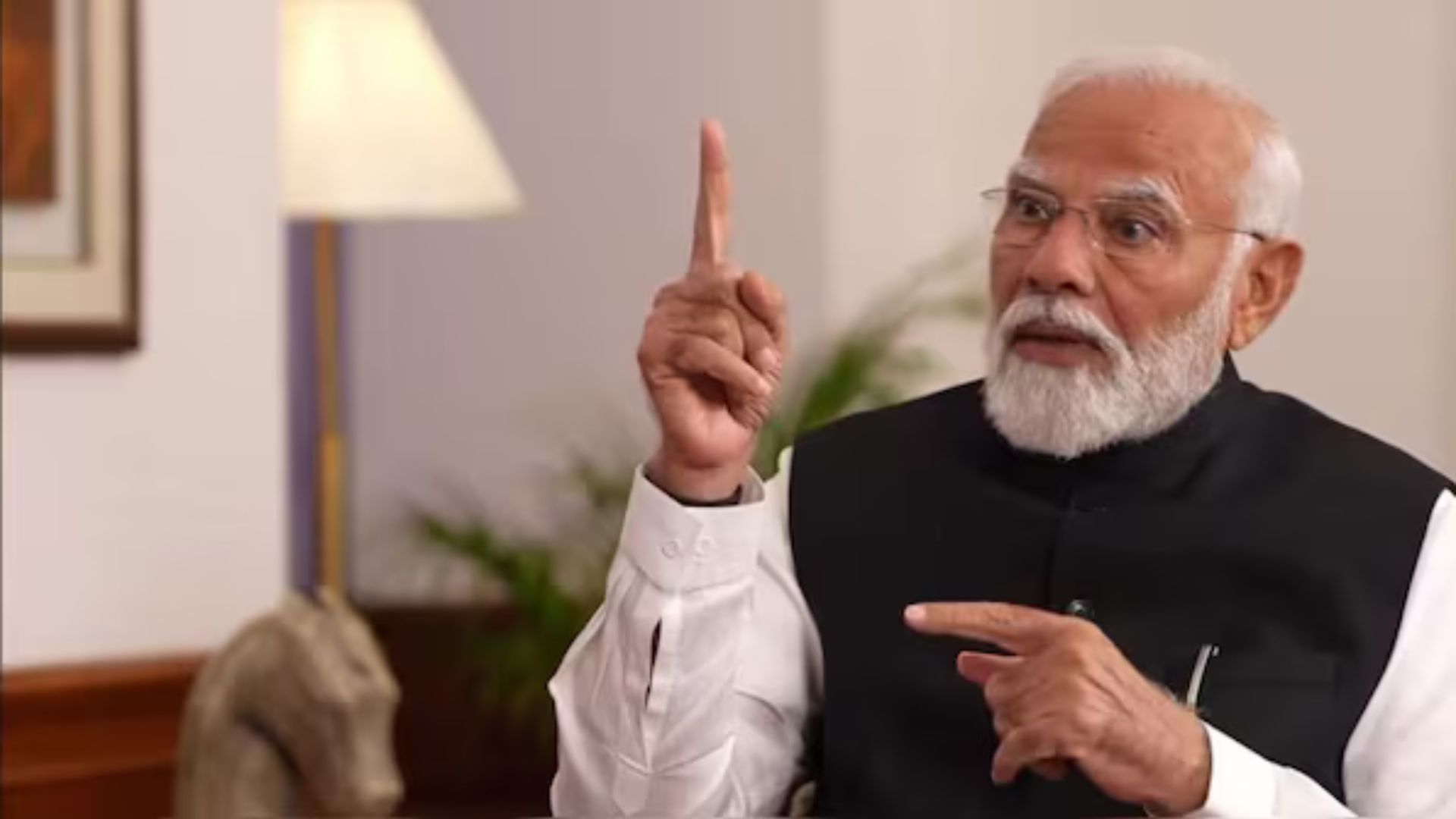
Prime Minister Narendra Modi, buoyed by his confidence in victory in the 2024 Lok Sabha elections, has revealed a meticulously crafted roadmap for the first 100 days of his new government. With an overarching vision to propel India towards becoming a developed nation by 2047, PM Modi’s six-step plan reflects a blend of public consultation, technological integration, administrative coordination, and inclusive governance.
Step 1: Public Consultation and Engagement
Prime Minister Narendra Modi’s ambitious post-election plan commenced with a groundbreaking initiative aimed at inclusive governance and transparent policymaking. Recognizing the invaluable insights and perspectives offered by diverse segments of society, Modi’s government embarked on an expansive outreach campaign, soliciting opinions from a wide spectrum of stakeholders. This inclusive approach encompassed not only the general public but also academic institutions and non-governmental organizations (NGOs), ensuring that voices from all walks of life were heard and considered.
Key Outcome:
The response to this unprecedented call for opinions surpassed all expectations, underscoring the depth of engagement and the fervent desire for meaningful change among the Indian populace. An astounding 15-20 lakh opinions flooded in from every corner of the nation, representing a mosaic of aspirations, concerns, and expectations for the trajectory of India over the next quarter-century. This overwhelming response served as a testament to the vibrancy of India’s democracy and the collective yearning for a brighter future.
Through this robust public consultation process, Modi’s government succeeded in tapping into the pulse of the nation, gaining invaluable insights into the priorities and preferences of its citizens. From rural villages to urban centers, from academic institutions to grassroots organizations, voices were raised, ideas were shared, and visions were articulated, laying the foundation for a comprehensive roadmap for the nation’s development.
As the first crucial step in the 100-day master blaster plan, the public consultation and engagement phase set the stage for a collaborative and inclusive approach to governance, wherein the aspirations of the people serve as the guiding beacon for policy formulation and implementation. By harnessing the collective wisdom of the masses, Modi’s government signaled its commitment to participatory democracy and its unwavering dedication to realizing the collective dreams of a billion-strong nation.
Step 2: Technological Integration through AI
In a bold leap towards modern governance, Prime Minister Narendra Modi’s administration embraced the transformative power of cutting-edge technology to streamline and enhance the policymaking process. Recognizing the sheer volume and complexity of data generated through the extensive public consultation exercise, the government turned to artificial intelligence (AI) as a tool for efficient analysis and categorization. By harnessing the capabilities of AI, the government sought to navigate through the vast array of opinions and insights garnered from the public, universities, and NGOs, with the aim of distilling key themes and priorities that would shape the nation’s future trajectory.
Key Outcome:
The integration of AI into the policymaking process yielded remarkable results, facilitating the seamless organization and analysis of data on an unprecedented scale. Through sophisticated algorithms and machine learning techniques, the government was able to sift through the deluge of opinions and feedback, identifying patterns, trends, and common threads that emerged across diverse demographics and geographic regions. This data-driven approach enabled policymakers to gain deeper insights into the pressing challenges, aspirations, and expectations of the Indian populace, laying the groundwork for informed decision-making and targeted interventions.
Moreover, the utilization of AI facilitated the rapid identification of key themes and priorities, allowing policymakers to allocate resources and prioritize initiatives with greater precision and efficiency. By automating the tedious task of data analysis, AI not only expedited the policymaking process but also minimized the risk of human bias and error, ensuring a more objective and evidence-based approach to governance.
Also Read: Only Fragile Governance Can Lead A Country Towards Terrorism, Says PM Modi
Step 3: Administrative Coordination and Deliberation
Prime Minister Narendra Modi’s commitment to effective governance extends beyond public consultation and technological integration; it encompasses a rigorous process of administrative coordination and deliberation. Understanding the importance of aligning government efforts with his long-term vision for India’s development, PM Modi personally engaged in extensive deliberations with officials across various government departments. These deliberations aimed to chart out actionable plans that would translate the overarching vision into tangible policies and initiatives, ensuring coherence and efficacy in governance.
Key Outcome:
The outcome of these deliberations was the formation of specialized teams comprising experts and officials from diverse backgrounds and domains. These teams were entrusted with the task of dissecting the broad contours of the government’s vision and translating them into concrete action plans tailored to specific sectors and areas of focus. By bringing together multidisciplinary expertise and fostering collaboration among different government agencies, PM Modi sought to ensure a comprehensive and integrated approach to policymaking and implementation.
These specialized teams were tasked with conducting in-depth analysis, identifying potential challenges and opportunities, and formulating strategies and initiatives that would drive progress towards the nation’s long-term goals. Each team was responsible for a specific aspect of governance, ranging from economic development and infrastructure to social welfare and environmental sustainability. Through a process of iterative deliberation and refinement, these teams worked towards crafting policies and programs that were not only pragmatic and feasible but also aligned with PM Modi’s overarching vision for India’s future.
The formation of these specialized teams represents a strategic move by the government to harness the collective expertise and energy of its bureaucracy towards achieving transformative change. By decentralizing decision-making and empowering officials at the grassroots level, PM Modi aimed to foster innovation, agility, and accountability within the administrative machinery. Ultimately, the key outcome of this phase was the creation of a roadmap for governance that was rooted in realism, driven by ambition, and guided by a steadfast commitment to advancing the nation’s interests.
Step 4: State Engagement and Collaboration
In a testament to its commitment to inclusive governance and cooperative federalism, the Modi government underscores the pivotal role of state engagement and collaboration in realizing its ambitious vision for national development. Recognizing that effective governance transcends political affiliations, the government has pledged to disseminate the finalized document outlining its vision and priorities to all states across the country. This inclusive approach aims to foster a spirit of collaboration and partnership, wherein states are empowered to contribute to and implement the overarching vision in alignment with their unique socio-economic contexts and priorities.
Key Outcome:
The key outcome of this proactive engagement with states is the encouragement of participatory governance, wherein the voices and perspectives of regional governments are integrated into the policymaking process. By extending a hand of collaboration to states irrespective of their political leanings, the government seeks to harness the collective wisdom, experience, and resources of state governments towards the shared goal of national development. This collaborative approach not only fosters a sense of ownership and accountability among state governments but also promotes innovation and adaptation at the grassroots level.
Furthermore, by involving states in the implementation of the overarching vision, the government aims to leverage local knowledge and expertise to tailor policies and programs to the specific needs and challenges of different regions. This decentralized approach to governance not only enhances the effectiveness and relevance of government interventions but also strengthens the federal structure by promoting a more balanced distribution of power and resources.
Moreover, by fostering a culture of collaboration and partnership, the government lays the foundation for sustained and inclusive growth, wherein the benefits of development accrue to all sections of society, regardless of geographical location or political affiliation. This participatory approach to governance not only enhances the legitimacy and credibility of government initiatives but also builds trust and cohesion among different stakeholders, paving the way for a more harmonious and resilient polity.
Also Read: PM Modi’s Verdict: BJP’s National Agenda or Congress’s Familial Legacy?
Step 5: NITI Ayog’s Role in Policy Dialogue
Recognizing the importance of fostering dialogue and collaboration between the central government and state administrations, the Modi government has entrusted NITI Ayog, the premier policy think tank, with a pivotal role in shaping the nation’s developmental agenda. NITI Ayog, known for its expertise in policy formulation and strategic planning, will convene a comprehensive meeting with chief ministers from across the country to deliberate on and refine the proposed document outlining the government’s vision and priorities. This platform for policy dialogue aims to facilitate constructive engagement and synergy between the central government and state administrations, fostering a spirit of partnership and shared responsibility towards achieving national development goals.
Key Outcome:
The key outcome of NITI Ayog’s role in policy dialogue is the facilitation of constructive engagement and collaboration between the central government and state administrations. By providing a neutral and inclusive platform for dialogue, NITI Ayog enables chief ministers to voice their concerns, provide feedback, and contribute their insights towards shaping national policies and programs. This collaborative approach not only enhances the relevance and effectiveness of government initiatives but also strengthens the bond of trust and cooperation between different tiers of government.
Moreover, the involvement of NITI Ayog in policy dialogue ensures that the decision-making process is informed by evidence-based analysis and expert opinion. Drawing on its wealth of expertise and research capabilities, NITI Ayog serves as a knowledge hub, providing valuable insights and recommendations to inform policy formulation and implementation. This ensures that policies are grounded in empirical evidence and best practices, thereby enhancing their impact and sustainability.
Furthermore, NITI Ayog’s role in policy dialogue promotes a culture of transparency and accountability in governance. By providing a platform for open and frank discussions, NITI Ayog encourages governments to be responsive to the needs and aspirations of the people, fostering a sense of ownership and participation in the policymaking process. This not only enhances the legitimacy of government decisions but also strengthens democratic institutions and processes.
Step 6: Culmination and Implementation
As the culmination of an exhaustive and consultative process, the Modi government prepares to unveil a comprehensive action plan that integrates elements from multiple sources of inspiration. This final outcome represents a harmonious blend of the BJP’s electoral manifesto, Prime Minister Modi’s visionary roadmap for India’s transformation over the next 25 years, and a detailed agenda for the critical initial 100 days of governance. This synthesis of diverse inputs reflects a meticulous effort to craft a cohesive and dynamic action plan that aligns short-term priorities with long-term aspirations, setting the stage for transformative change across various sectors of the economy and society.
Key Outcome:
The key outcome of this culmination and implementation phase is the emergence of a robust and forward-looking action plan that embodies the collective will and aspirations of the nation. By drawing upon the BJP’s electoral manifesto, the government reaffirms its commitment to fulfilling the promises made to the electorate, thereby upholding the principles of democratic accountability and transparency. This ensures that governance remains anchored in the concerns and priorities of the people, fostering trust and confidence in the government’s ability to deliver on its commitments.
Simultaneously, the integration of Prime Minister Modi’s 25-year vision for 2047 injects a strategic long-term perspective into the action plan, transcending electoral cycles and short-term considerations. By articulating a bold vision for India’s future, PM Modi inspires hope and confidence in the nation’s potential to achieve greatness on the global stage. This long-term perspective serves as a guiding beacon, orienting policy decisions towards sustainable development, inclusive growth, and global leadership in key areas such as technology, innovation, and governance.
Furthermore, the detailed agenda for the initial 100 days of governance reflects a commitment to swift and decisive action, ensuring momentum and continuity in the government’s efforts to drive transformative change. This focused approach prioritizes key deliverables and milestones, laying the foundation for sustained progress and impact across various sectors of the economy and society. By setting clear targets and timelines, the government enhances accountability and transparency, enabling stakeholders to track progress and hold authorities to their commitments.
In conclusion, PM Modi’s comprehensive 100-day plan epitomizes a holistic approach to governance, rooted in consultation, innovation, and collaboration. By leveraging technology, engaging stakeholders, and fostering inclusive governance, the government aims to lay the foundation for a resurgent India, poised to achieve its full potential on the global stage. As the nation eagerly awaits the results of the elections, the unveiling of this master blaster plan heralds a new era of dynamic and visionary leadership.
Also Read: PM Modi’s Rally in Rajasthan: Prioritizing Border Villages “Last But Not Least”