












TFIPOST हिन्दी
TFIPOST Global
Tfipost.com
Tfipost.com
No Result
View All Result
  • Premium
  • Politics
    • All
    • Analysis
    • Opinions
    • Trending
    Nihang Sikhs Breach Uttarakhand Border Security, Advance Towards Hemkund Sahib Amid Arrest Demand Standoff

    Nihang Sikhs Breach Uttarakhand Border Security, Advance Towards Hemkund Sahib Amid Arrest Demand Standoff

    Jaipur Woman Arrested Over Pakistan Travel Plot to Marry JeM Commander, Probe Flags Online Radicalisation

    Jaipur Woman Arrested Over Pakistan Travel Plot to Marry JeM Commander, Probe Flags Online Radicalisation

    Samvidhan Hatya Diwas: The Emergency That Put India’s Democracy Under Suspension and Still Divides Memory

    Samvidhan Hatya Diwas: The Emergency That Put India’s Democracy Under Suspension and Still Divides Memory

    Where did Bangladesh's Hindus go?

    Silent Exodus: Why Bangladesh’s Hindu Population Continues to Shrink ?

    • Analysis
    • Opinions
    • Trending
  • Economy
    • All
    • Business
    • Economy1
    • Finance
    How Insurers Calculate IDV for Discontinued Car Models

    How Insurers Calculate IDV for Discontinued Car Models

    Best credit cards with airport lounge access for frequent travellers

    Best credit cards with airport lounge access for frequent travellers

    The Health Insurance Features You Notice Only When the Hospital Bill Arrives

    The Health Insurance Features You Notice Only When the Hospital Bill Arrives

    How to Choose the Best Comprehensive Car Insurance Policy for Your Car

    How to Choose the Best Comprehensive Car Insurance Policy for Your Car

    • Business
    • Finance
  • Defense
    • All
    • Defence
    • Strategy
    • Weaponry
    India Officially Names Six Operation Sindoor Martyrs as Their Sacrifice Enters National War Memorial Record

    India Officially Names Six Operation Sindoor Martyrs as Their Sacrifice Enters National War Memorial Record

    From Cells To Networks: NIA Maps Affiliate Terror Structure In JMB–IMK Case, Chargesheets 11 Linked To Northeast Bengal Module

    From Cells To Networks: NIA Maps Affiliate Terror Structure In JMB–IMK Case, Chargesheets 11 Linked To Northeast Bengal Module

    Pakistan’s Rafale Claim Takes a Hit as IAF Document Reaffirms Full 36-Aircraft Fleet

    Pakistan’s Rafale Claim Takes a Hit as IAF Document Reaffirms Full 36-Aircraft Fleet

    Drone, Dark Web and a Border Bust: Inside Punjab’s High-Stakes Arms Interception Near Amritsar

    Drone, Dark Web and a Border Bust: Inside Punjab’s High-Stakes Arms Interception Near Amritsar

    • Defence
    • Strategy
    • Weaponry
  • Geopolitics
    • All
    • Africa
    • Americas
    • Asia Pacific
    • Europe
    • South Asia
    • West Asia
    Canada’s Khalistan Blowback: After 41 Years, Ottawa Finally Admits Canada-Based Khalistani Extremists Blew Up Air India’s Kanishka

    Canada’s Khalistan Blowback: After 41 Years, Ottawa Finally Admits Canada-Based Khalistani Extremists Blew Up Air India’s Kanishka

    From Cells To Networks: NIA Maps Affiliate Terror Structure In JMB–IMK Case, Chargesheets 11 Linked To Northeast Bengal Module

    From Cells To Networks: NIA Maps Affiliate Terror Structure In JMB–IMK Case, Chargesheets 11 Linked To Northeast Bengal Module

    Beyond the Propaganda Frame: Gilgit-Baltistan’s Unfinished Struggle for Rights, Representation and Political Balance

    Beyond the Propaganda Frame: Gilgit-Baltistan’s Unfinished Struggle for Rights, Representation and Political Balance

    Five Billion Dollars, Unknown Terms: Pakistan Has Never Told Its Citizens What the Hangor Submarines Actually Cost

    Five Billion Dollars, Unknown Terms: Pakistan Has Never Told Its Citizens What the Hangor Submarines Actually Cost

    • Africa
    • Americas
    • Asia Pacific
    • Europe
    • South Asia
    • West Asia
  • Knowledge
    • All
    • Culture
    • Education
    • History
    • Indology
    Samvidhan Hatya Diwas: The Emergency That Put India’s Democracy Under Suspension and Still Divides Memory

    Samvidhan Hatya Diwas: The Emergency That Put India’s Democracy Under Suspension and Still Divides Memory

    7 Common GMAT Mistakes That Can Hurt Your ISB MBA Application

    7 Common GMAT Mistakes That Can Hurt Your ISB MBA Application

    From Doklam to Siliguri: Why the 2017 Standoff Became a Major Strategic Wake-Up Call for India

    From Doklam to Siliguri: Why the 2017 Standoff Became a Major Strategic Wake-Up Call for India

    ₹10 Lakh Paper Leak Trap: How Telegram Fraudsters Built a NEET Scam Ecosystem

    ₹10 Lakh Paper Leak Trap: How Telegram Fraudsters Built a NEET Scam Ecosystem

    • Culture
    • History
    • Indology
  • Law
  • Lounge
    • All
    • Books
    • Cinema
    • Entertainment
    • Food
    • Games
    • Health
    • Lifestyle
    • Satire
    • Sports
    • technology
    • Travel
    India Overhauls Telecom Rules: Data Localisation Tightened, Satellite Operators Face Stringent New Conditions

    India Overhauls Telecom Rules: Data Localisation Tightened, Satellite Operators Face Stringent New Conditions

    Understanding the Hair Growth Cycle for Better Results

    Understanding the Hair Growth Cycle for Better Results

    Should Gym Clothes Be Tight or Loose?

    Should Gym Clothes Be Tight or Loose?

    What Companies Should Check before Sending Employees Abroad

    What Companies Should Check before Sending Employees Abroad

    • Books
    • Cinema
    • Food
    • Health
    • Sports
    • technology
    • Travel
    • Satire
Tfipost.com
  • Premium
  • Politics
    • All
    • Analysis
    • Opinions
    • Trending
    Nihang Sikhs Breach Uttarakhand Border Security, Advance Towards Hemkund Sahib Amid Arrest Demand Standoff

    Nihang Sikhs Breach Uttarakhand Border Security, Advance Towards Hemkund Sahib Amid Arrest Demand Standoff

    Jaipur Woman Arrested Over Pakistan Travel Plot to Marry JeM Commander, Probe Flags Online Radicalisation

    Jaipur Woman Arrested Over Pakistan Travel Plot to Marry JeM Commander, Probe Flags Online Radicalisation

    Samvidhan Hatya Diwas: The Emergency That Put India’s Democracy Under Suspension and Still Divides Memory

    Samvidhan Hatya Diwas: The Emergency That Put India’s Democracy Under Suspension and Still Divides Memory

    Where did Bangladesh's Hindus go?

    Silent Exodus: Why Bangladesh’s Hindu Population Continues to Shrink ?

    • Analysis
    • Opinions
    • Trending
  • Economy
    • All
    • Business
    • Economy1
    • Finance
    How Insurers Calculate IDV for Discontinued Car Models

    How Insurers Calculate IDV for Discontinued Car Models

    Best credit cards with airport lounge access for frequent travellers

    Best credit cards with airport lounge access for frequent travellers

    The Health Insurance Features You Notice Only When the Hospital Bill Arrives

    The Health Insurance Features You Notice Only When the Hospital Bill Arrives

    How to Choose the Best Comprehensive Car Insurance Policy for Your Car

    How to Choose the Best Comprehensive Car Insurance Policy for Your Car

    • Business
    • Finance
  • Defense
    • All
    • Defence
    • Strategy
    • Weaponry
    India Officially Names Six Operation Sindoor Martyrs as Their Sacrifice Enters National War Memorial Record

    India Officially Names Six Operation Sindoor Martyrs as Their Sacrifice Enters National War Memorial Record

    From Cells To Networks: NIA Maps Affiliate Terror Structure In JMB–IMK Case, Chargesheets 11 Linked To Northeast Bengal Module

    From Cells To Networks: NIA Maps Affiliate Terror Structure In JMB–IMK Case, Chargesheets 11 Linked To Northeast Bengal Module

    Pakistan’s Rafale Claim Takes a Hit as IAF Document Reaffirms Full 36-Aircraft Fleet

    Pakistan’s Rafale Claim Takes a Hit as IAF Document Reaffirms Full 36-Aircraft Fleet

    Drone, Dark Web and a Border Bust: Inside Punjab’s High-Stakes Arms Interception Near Amritsar

    Drone, Dark Web and a Border Bust: Inside Punjab’s High-Stakes Arms Interception Near Amritsar

    • Defence
    • Strategy
    • Weaponry
  • Geopolitics
    • All
    • Africa
    • Americas
    • Asia Pacific
    • Europe
    • South Asia
    • West Asia
    Canada’s Khalistan Blowback: After 41 Years, Ottawa Finally Admits Canada-Based Khalistani Extremists Blew Up Air India’s Kanishka

    Canada’s Khalistan Blowback: After 41 Years, Ottawa Finally Admits Canada-Based Khalistani Extremists Blew Up Air India’s Kanishka

    From Cells To Networks: NIA Maps Affiliate Terror Structure In JMB–IMK Case, Chargesheets 11 Linked To Northeast Bengal Module

    From Cells To Networks: NIA Maps Affiliate Terror Structure In JMB–IMK Case, Chargesheets 11 Linked To Northeast Bengal Module

    Beyond the Propaganda Frame: Gilgit-Baltistan’s Unfinished Struggle for Rights, Representation and Political Balance

    Beyond the Propaganda Frame: Gilgit-Baltistan’s Unfinished Struggle for Rights, Representation and Political Balance

    Five Billion Dollars, Unknown Terms: Pakistan Has Never Told Its Citizens What the Hangor Submarines Actually Cost

    Five Billion Dollars, Unknown Terms: Pakistan Has Never Told Its Citizens What the Hangor Submarines Actually Cost

    • Africa
    • Americas
    • Asia Pacific
    • Europe
    • South Asia
    • West Asia
  • Knowledge
    • All
    • Culture
    • Education
    • History
    • Indology
    Samvidhan Hatya Diwas: The Emergency That Put India’s Democracy Under Suspension and Still Divides Memory

    Samvidhan Hatya Diwas: The Emergency That Put India’s Democracy Under Suspension and Still Divides Memory

    7 Common GMAT Mistakes That Can Hurt Your ISB MBA Application

    7 Common GMAT Mistakes That Can Hurt Your ISB MBA Application

    From Doklam to Siliguri: Why the 2017 Standoff Became a Major Strategic Wake-Up Call for India

    From Doklam to Siliguri: Why the 2017 Standoff Became a Major Strategic Wake-Up Call for India

    ₹10 Lakh Paper Leak Trap: How Telegram Fraudsters Built a NEET Scam Ecosystem

    ₹10 Lakh Paper Leak Trap: How Telegram Fraudsters Built a NEET Scam Ecosystem

    • Culture
    • History
    • Indology
  • Law
  • Lounge
    • All
    • Books
    • Cinema
    • Entertainment
    • Food
    • Games
    • Health
    • Lifestyle
    • Satire
    • Sports
    • technology
    • Travel
    India Overhauls Telecom Rules: Data Localisation Tightened, Satellite Operators Face Stringent New Conditions

    India Overhauls Telecom Rules: Data Localisation Tightened, Satellite Operators Face Stringent New Conditions

    Understanding the Hair Growth Cycle for Better Results

    Understanding the Hair Growth Cycle for Better Results

    Should Gym Clothes Be Tight or Loose?

    Should Gym Clothes Be Tight or Loose?

    What Companies Should Check before Sending Employees Abroad

    What Companies Should Check before Sending Employees Abroad

    • Books
    • Cinema
    • Food
    • Health
    • Sports
    • technology
    • Travel
    • Satire
No Result
View All Result
Tfipost.com
Tfipost.com
No Result
View All Result
  • Premium
  • Politics
  • Economy
  • Defense
  • Geopolitics
  • Knowledge
  • Law
  • Lounge

Insights from US Intelligence: Pakistan’s Nuclear Program Endures Amidst Economic Instability

Muskan Goel by Muskan Goel
16 April 2024
in Geopolitics, Trending
Pakistan, Nuclear Program, India, US Official
Share on FacebookShare on X

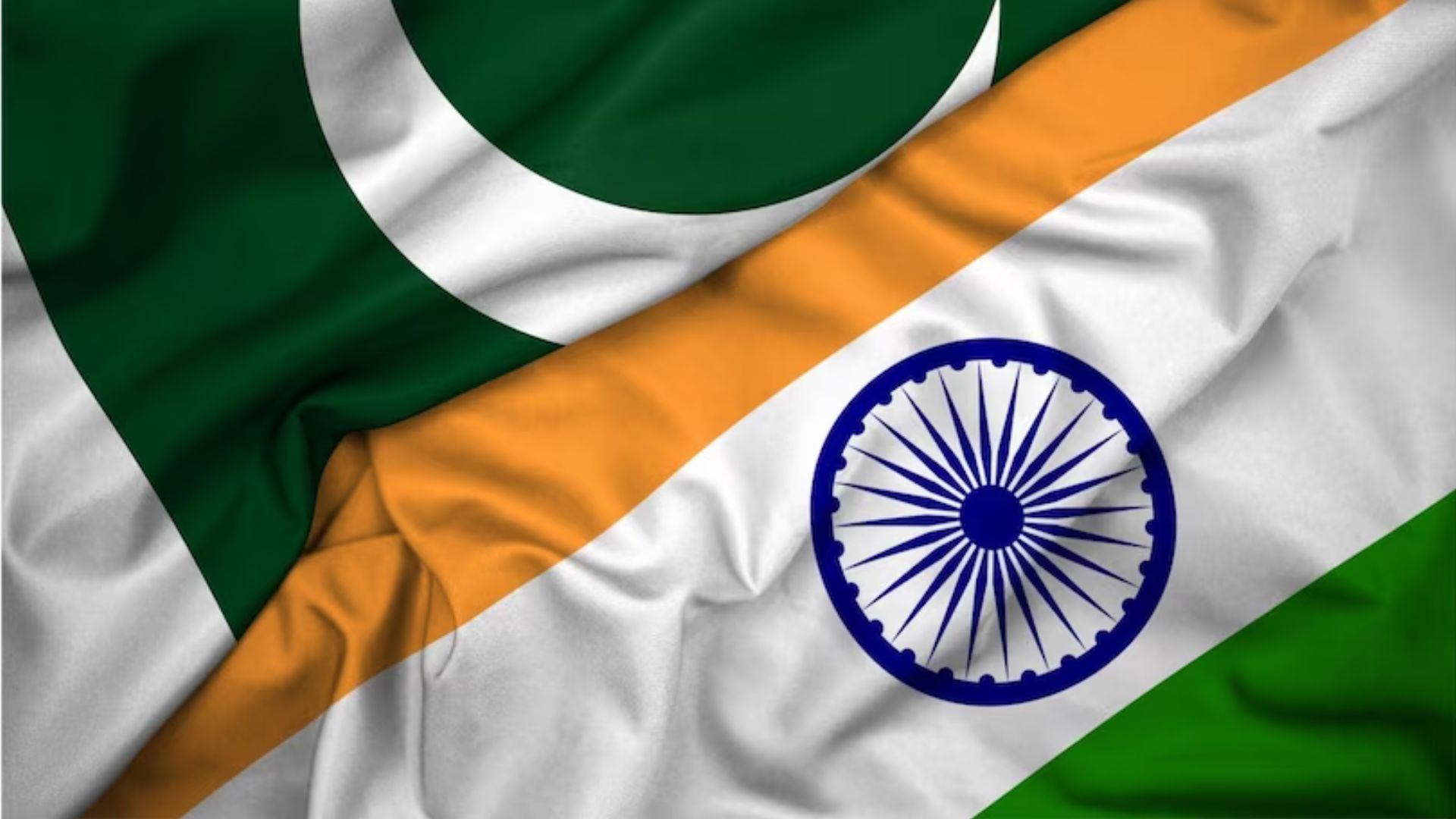
Pakistan’s nuclear program has been a subject of global concern and fascination for decades. Amidst economic challenges and regional tensions, the country has persistently pursued the modernization of its nuclear arsenal. The recent testimony of Lt Gen Jeffrey Kruse, a top US intelligence official, sheds light on Pakistan’s continued efforts in this regard, driven largely by its contentious relationship with India.

Pakistan’s Nuclear Journey

Since its inception, Pakistan’s journey towards acquiring nuclear capabilities has been multifaceted, influenced by both internal and external factors. Initially framed as an energy initiative in the 1950s, Pakistan’s nuclear program gained momentum over the years, eventually evolving into a strategic imperative.

RelatedPosts

Canada’s Khalistan Blowback: After 41 Years, Ottawa Finally Admits Canada-Based Khalistani Extremists Blew Up Air India’s Kanishka

From Cells To Networks: NIA Maps Affiliate Terror Structure In JMB–IMK Case, Chargesheets 11 Linked To Northeast Bengal Module

Ram Mandir Donation Probe: FIR Names Eight Amid Systemic Lapses in Handling Temple Offerings

Load More

Early Beginnings and “Atoms for Peace” Initiative

In the 1950s, Pakistan, like many other countries, viewed nuclear technology through the lens of peaceful applications, particularly for energy generation. This perspective was partly shaped by the global “Atoms for Peace” initiative, championed by the United States under President Dwight D. Eisenhower. The initiative aimed to promote the peaceful use of atomic energy while mitigating the risks of nuclear proliferation.

Establishment of the Atomic Energy Commission (PAEC)

To spearhead its nuclear aspirations, Pakistan established the Atomic Energy Commission (PAEC) in 1956. This marked a significant milestone in the country’s scientific and technological pursuits. One pivotal figure in Pakistan’s nuclear program was Ishrat Usmani, who played a crucial role as the chairman of PAEC. Under his leadership, PAEC laid the groundwork for Pakistan’s nuclear infrastructure and talent development.

Initial Support and Subsequent Developments

Pakistan received initial support from the United States in its nuclear endeavors. In 1962, the US provided Pakistan with its first nuclear reactor, the five-megawatt Pakistan Atomic Research Reactor (PARR-1). This support, although initially geared towards peaceful purposes, laid the foundation for Pakistan’s later advancements in nuclear technology.

Over time, Pakistan’s nuclear program underwent significant developments, transitioning from a focus on energy generation to strategic deterrence. Despite international scrutiny and occasional sanctions, Pakistan continued to advance its nuclear capabilities, driven by perceived security threats and regional dynamics.

Also Read: Pakistan’s trained terror tiger begins tearing the trainer

Acquisition of Nuclear Capabilities

Through indigenous research and international collaborations, Pakistan gradually acquired nuclear capabilities, including the development of nuclear weapons. The culmination of these efforts came in 1998 when Pakistan conducted its first successful nuclear tests in response to similar tests by its neighboring rival, India. This event marked Pakistan’s formal entry into the club of nuclear-armed nations, fundamentally altering the strategic landscape of South Asia.

Economic Challenges and Nuclear Priorities

Pakistan has grappled with economic challenges stemming from factors such as fiscal mismanagement, external debt burdens, and structural inefficiencies. These economic woes have exerted pressure on various sectors, including defense. Budget constraints and resource limitations have necessitated difficult choices regarding expenditure priorities.

Prioritizing Nuclear Modernization

Despite facing economic difficulties, Pakistan has consistently prioritized its nuclear modernization endeavors. This underscores the country’s commitment to maintaining a credible nuclear deterrent, considering it a cornerstone of its national security strategy. Investments in nuclear capabilities are seen as imperative for safeguarding Pakistan’s sovereignty and deterring potential adversaries.

Dependence on Allies for Financial Support

Given its economic challenges, Pakistan has relied on close allies like China and Saudi Arabia for financial support. These alliances have provided crucial lifelines in navigating economic woes, including funding for infrastructure projects and budgetary support. China, in particular, has emerged as a significant partner, offering assistance through initiatives such as the China-Pakistan Economic Corridor (CPEC).

Also Read: Trading Titans: Tata’s Market Mastery Over Pakistan’s Entire GDP

Contentious Relationship with India

Pakistan’s relationship with India remains marred by longstanding tensions, primarily centered around the Kashmir issue. The unresolved dispute over Kashmir has been a persistent source of friction, leading to numerous conflicts and crises between the two nuclear-armed neighbors. Both countries lay claim to the region, exacerbating territorial disputes and fueling cross-border hostilities.

Cross-Border Tensions and Ceasefire Agreement

Cross-border tensions between Pakistan and India have been a recurring phenomenon, characterized by sporadic skirmishes and military exchanges along the Line of Control (LoC) and international border. The significance of the ceasefire agreement reached in February 2021 cannot be overstated, as it provided a respite from escalatory dynamics and reduced the risk of full-scale conflict between the two nations.

Impact on Defense Policy and Nuclear Ambitions

Regional instability, compounded by tensions with India, has shaped Pakistan’s defense policy and nuclear ambitions. The perceived threat from India has prompted Pakistan to maintain a robust military posture, including investments in conventional and nuclear capabilities. The specter of conflict in the region has further reinforced Pakistan’s reliance on nuclear deterrence as a means of ensuring national security and strategic stability.

Seeking International Support for Dispute Resolution

Pakistan has consistently sought international support, including through diplomatic channels and multilateral forums like the United Nations Security Council (UNSC), to address its disputes with India, particularly regarding Kashmir. By highlighting the need for a peaceful resolution and advocating for dialogue, Pakistan aims to garner diplomatic backing and pressure India to engage in meaningful negotiations.

Also Read: India’s Strong Warning: “Hands off” Jammu and Kashmir, Pakistan and Turkey told

Diplomatic Initiatives for Regional Stability

Pakistan has actively pursued diplomatic initiatives aimed at mitigating tensions and fostering stability in the region. Efforts such as Track II diplomacy, confidence-building measures, and high-level dialogues with regional stakeholders demonstrate Pakistan’s commitment to promoting peace and dialogue as avenues for conflict resolution. Engagement with neighboring countries and international partners underscores Pakistan’s role as a responsible actor in regional affairs.

Role of International Organizations in Nuclear Proliferation Concerns

International organizations play a crucial role in monitoring and addressing nuclear proliferation concerns in South Asia. Bodies like the International Atomic Energy Agency (IAEA) and the Nuclear Suppliers Group (NSG) are instrumental in overseeing nuclear activities, promoting non-proliferation norms, and ensuring compliance with international safeguards. Through cooperation with these organizations, Pakistan contributes to enhancing transparency and confidence-building measures in its nuclear program.

Rising Terrorist Violence

Pakistan faces a persistent threat from terrorism, manifested in rising violence against security forces and civilians. Extremist groups operating within and across its borders pose significant security challenges, targeting state institutions, public spaces, and vulnerable communities. The evolving nature of terrorism underscores the need for adaptive and proactive security measures.

Counterterrorism Operations

Pakistani security forces engage in continuous counterterrorism operations to combat militant threats and safeguard national security. Through intelligence-led operations, targeted airstrikes, and coordinated law enforcement efforts, Pakistan strives to disrupt terrorist networks, dismantle infrastructure, and apprehend perpetrators. Enhanced cooperation with international partners, including intelligence sharing and joint operations, strengthens Pakistan’s capacity to counter the transnational threat of terrorism effectively.

Also Read: Pakistan’s Beloved Terrorism is Now Feasting on Them Like a Parasite seems like the Sting is Hard This Time!

Interconnectedness of Security Challenges and Nuclear Security

The nexus between security challenges and nuclear security underscores the importance of robust command and control systems. Pakistan recognizes the interrelated nature of conventional and nuclear threats, emphasizing the need for comprehensive security measures to deter aggression, prevent unauthorized access to nuclear materials, and ensure the safety and reliability of its nuclear arsenal. Integrated approaches to security planning and risk management enhance Pakistan’s resilience against multifaceted security threats.

Pakistan’s nuclear modernization poses implications for regional stability and global security, necessitating robust arms control measures and confidence-building efforts. Diplomacy and dialogue remain vital in resolving longstanding disputes with India, fostering trust, and averting escalation. Navigating economic constraints while maintaining a credible nuclear deterrent requires strategic planning, leveraging alliances, and prioritizing resource allocation. Despite challenges, opportunities exist for sustainable development and peaceful coexistence through multilateral engagement and constructive diplomacy. Balancing security imperatives with economic resilience will be pivotal in shaping Pakistan’s trajectory and its role in regional and international affairs.

In conclusion, Pakistan’s nuclear program remains a focal point of regional dynamics and global security concerns. Despite economic challenges and regional tensions, Pakistan persists in its pursuit of nuclear modernization, driven by strategic imperatives and geopolitical realities. As the country navigates these complexities, the importance of international engagement, diplomatic initiatives, and sustainable security policies cannot be overstated in ensuring stability and peace in South Asia and beyond.

Also Read: Pakistan’s Stammering Response Over Rajnath Singh’s Bold Assertions

Tags: IndiaNuclear ProgramPakistanUS Official
ShareTweetSend
Previous Post

Unveiling India’s Jewish Architectural Legacy: A Journey Through Time

Next Post

India’s Move to Restrict Maldives Exports Sparks Bilateral Trade Concerns

Related Posts

Canada’s Khalistan Blowback: After 41 Years, Ottawa Finally Admits Canada-Based Khalistani Extremists Blew Up Air India’s Kanishka
Geopolitics

Canada’s Khalistan Blowback: After 41 Years, Ottawa Finally Admits Canada-Based Khalistani Extremists Blew Up Air India’s Kanishka

26 June 2026

More than forty years after the bombing of Air India Flight 182, Canada has publicly acknowledged what India had...

Nihang Sikhs Breach Uttarakhand Border Security, Advance Towards Hemkund Sahib Amid Arrest Demand Standoff
Trending

Nihang Sikhs Breach Uttarakhand Border Security, Advance Towards Hemkund Sahib Amid Arrest Demand Standoff

26 June 2026

High tension prevailed at the Himachal Pradesh–Uttarakhand border on Thursday night after a large group of Nihang Sikhs clashed...

From Cells To Networks: NIA Maps Affiliate Terror Structure In JMB–IMK Case, Chargesheets 11 Linked To Northeast Bengal Module
Defence

From Cells To Networks: NIA Maps Affiliate Terror Structure In JMB–IMK Case, Chargesheets 11 Linked To Northeast Bengal Module

26 June 2026

The National Investigation Agency has filed a chargesheet against 11 individuals in a case linked to Jamaat-ul-Mujahideen Bangladesh and...

Load More

Leave a Reply Cancel reply

Your email address will not be published. Required fields are marked *

I agree to the Terms of use and Privacy Policy.
This site is protected by reCAPTCHA and the Google Privacy Policy and Terms of Service apply.

Currently Playing

Nepal's Natural Ally: Why India, Not China ? Indo-Nepal

Nepal's Natural Ally: Why India, Not China ? Indo-Nepal

00:04:05

Pakistan’s Investment Rescue Plan or Another Economic Promise? Munir | Sharif

00:03:41

Gilgit Baltistan's Youth Rising: The Fight for Dignity, Rights and Self Governance

00:03:08

Doklam’s Legacy: How the 2017 Standoff Reshaped Himalayan Security and Border Tensions। Indo china

00:03:11

Inside the Doklam Face-Off: How India Backed Bhutan and Held the Line During the 73 Day Standoff

00:03:11
Facebook Twitter Instagram Youtube
tfipostTfipost.com
Right Wing | News Analysis | Indian Opinion
  • About us
  • Contact Us
  • Careers
  • Brand Partnerships
  • Terms of use
  • Privacy Policy
  • Sitemap

©2026 TFI Media Private Limited

No Result
View All Result
  • Premium
  • Politics
    • Analysis
    • Opinions
    • Trending
  • Economy
    • Business
    • Finance
  • Defense
    • Defence
    • Strategy
    • Weaponry
  • Geopolitics
    • Africa
    • Americas
    • Asia Pacific
    • Europe
    • South Asia
    • West Asia
  • Knowledge
    • Culture
    • History
    • Indology
  • Law
  • Lounge
    • Books
    • Cinema
    • Food
    • Health
    • Sports
    • technology
    • Travel
    • Satire
TFIPOST हिन्दी
TFIPOST Global

©2026 TFI Media Private Limited