

















TFIPOST हिन्दी
TFIPOST Global
Tfipost.com
Tfipost.com
No Result
View All Result
  • Premium
  • Politics
    • All
    • Analysis
    • Opinions
    • Trending
    Reinforcing the essence of democracy through fresh voting in 15 West Bengal booths.

    EC Pushes Reset Button In 15 West Bengal Booths Over Voting Irregularities

    Zakir Basha Shaik Case Exposes Systemic Failure: NHRC Steps In as Outrage Grows Over Abuse of 30 Minor Girls

    Zakir Basha Shaik Case Exposes Systemic Failure: NHRC Steps In as Outrage Grows Over Abuse of 30 Minor Girls

    Proselytisation Row in Pune: Three US Nationals Ordered to Leave India Over Visa Violations

    Proselytisation Row in Pune: Three US Nationals Ordered to Leave India Over Visa Violations

    ECI Tightens Security Grip in Bengal Amid Fears of TMC Hooligans

    ECI Tightens Security Grip in Bengal Amid Fears of TMC Hooligans

    • Analysis
    • Opinions
    • Trending
  • Economy
    • All
    • Business
    • Economy1
    • Finance
    Online Gaming Act takes effect

    India Bans Real-Money Online Gaming, Enforces New Digital Gaming Law From May 1

    From struggle to reform, India’s workers power the nation’s rise.

    Labour Day 2026: From Red Flags to Reform, How New India is Rewriting the Workers’ Future

    AI, access, and accountability: Goyal’s push to transform India’s procurement system through GeM

    Goyal Speeds Up GeM Revamp, Pushes AI Tools and Wider Access to Reform Procurement System

    What are the Benefits of Critical Health Insurance in Serious Illness Cases?

    What are the Benefits of Critical Health Insurance in Serious Illness Cases?

    • Business
    • Finance
  • Defense
    • All
    • Defence
    • Strategy
    • Weaponry
    US Weighs First-Ever Hypersonic Strike: Can the $15M Dark Eagle Break the Iranian Deadlock?

    US Weighs First-Ever Hypersonic Strike: Can the $15M Dark Eagle Break the Iranian Deadlock?

    Dubey escalates infiltration debate in Bengal

    Bengal Poll Row Escalates After Bangladesh Parliament Remarks: Nishikant Dubey Targets TMC Over Infiltration Debate

    India called the shots, not the ceasefire: Rajnath SIngh

    India Chose the Moment, Not the Pressure: Rajnath Singh Says Operation Sindoor Halt Was a Strategic Call

    Why is Making a Jet Engine so Hard | The failure of Kaveri

    Why is Making a Jet Engine so Hard | The failure of Kaveri

    • Defence
    • Strategy
    • Weaponry
  • Geopolitics
    • All
    • Africa
    • Americas
    • Asia Pacific
    • Europe
    • South Asia
    • West Asia
    US Weighs First-Ever Hypersonic Strike: Can the $15M Dark Eagle Break the Iranian Deadlock?

    US Weighs First-Ever Hypersonic Strike: Can the $15M Dark Eagle Break the Iranian Deadlock?

    Caught Between Giants: How China’s Strategic Embrace Is Complicating Nepal’s Balancing Act

    Caught Between Giants: How China’s Strategic Embrace Is Complicating Nepal’s Balancing Act

    Karachi Pact 1949: How Pakistan Cemented Control Over Gilgit-Baltistan Without Its People’s Consent

    Karachi Pact 1949: How Pakistan Cemented Control Over Gilgit-Baltistan Without Its People’s Consent

    When law becomes an instrument of exclusion, persecution moves far beyond the courtroom.

    Ahmadis in Pakistan: From Faith to Marginalisation Under Law and Society

    • Africa
    • Americas
    • Asia Pacific
    • Europe
    • South Asia
    • West Asia
  • Knowledge
    • All
    • Culture
    • Education
    • History
    • Indology
    Chants of ‘Jai Badri Vishal’ Echo as Badrinath Portals Open; All Four Dhams Now Accessible to Pilgrims

    Chants of ‘Jai Badri Vishal’ Echo as Badrinath Portals Open; All Four Dhams Now Accessible to Pilgrims

    Kedarnath Dham Portals Open for Devotees After 181 Days Amid Vedic Chants, Traditional Rituals

    Kedarnath Dham Portals Open for Devotees After 181 Days Amid Vedic Chants, Traditional Rituals

    Sardar Patel and Amit Shah

    Sardar Patel’s 1947 Blueprint on Minority Quotas Resurfaces as Reservation Debate Returns to Centre Stage

    The 1973 Constitution and ‘Bhutto’ the Man Who Made It: What Pakistan Owes and What It Destroyed

    The 1973 Constitution and ‘Bhutto’ the Man Who Made It: What Pakistan Owes and What It Destroyed

    • Culture
    • History
    • Indology
  • Law
  • Lounge
    • All
    • Books
    • Cinema
    • Entertainment
    • Food
    • Games
    • Health
    • Lifestyle
    • Satire
    • Sports
    • technology
    • Travel
    Online Gaming Act takes effect

    India Bans Real-Money Online Gaming, Enforces New Digital Gaming Law From May 1

    From struggle to reform, India’s workers power the nation’s rise.

    Labour Day 2026: From Red Flags to Reform, How New India is Rewriting the Workers’ Future

    A journey of faith unfolds across one of India’s toughest terrains.

    Adi Kailash Yatra Begins Today: Temple Gates Open as Uttarakhand Tightens Grip on Strategic Himalayan Corridor

    Minor rape survivor’s pregnancy termination and reproductive rights

    SC Reinforces Bodily Autonomy in Teen Rape Survivor Case, Questions State Control Over Abortion Rights

    • Books
    • Cinema
    • Food
    • Health
    • Sports
    • technology
    • Travel
    • Satire
Tfipost.com
  • Premium
  • Politics
    • All
    • Analysis
    • Opinions
    • Trending
    Reinforcing the essence of democracy through fresh voting in 15 West Bengal booths.

    EC Pushes Reset Button In 15 West Bengal Booths Over Voting Irregularities

    Zakir Basha Shaik Case Exposes Systemic Failure: NHRC Steps In as Outrage Grows Over Abuse of 30 Minor Girls

    Zakir Basha Shaik Case Exposes Systemic Failure: NHRC Steps In as Outrage Grows Over Abuse of 30 Minor Girls

    Proselytisation Row in Pune: Three US Nationals Ordered to Leave India Over Visa Violations

    Proselytisation Row in Pune: Three US Nationals Ordered to Leave India Over Visa Violations

    ECI Tightens Security Grip in Bengal Amid Fears of TMC Hooligans

    ECI Tightens Security Grip in Bengal Amid Fears of TMC Hooligans

    • Analysis
    • Opinions
    • Trending
  • Economy
    • All
    • Business
    • Economy1
    • Finance
    Online Gaming Act takes effect

    India Bans Real-Money Online Gaming, Enforces New Digital Gaming Law From May 1

    From struggle to reform, India’s workers power the nation’s rise.

    Labour Day 2026: From Red Flags to Reform, How New India is Rewriting the Workers’ Future

    AI, access, and accountability: Goyal’s push to transform India’s procurement system through GeM

    Goyal Speeds Up GeM Revamp, Pushes AI Tools and Wider Access to Reform Procurement System

    What are the Benefits of Critical Health Insurance in Serious Illness Cases?

    What are the Benefits of Critical Health Insurance in Serious Illness Cases?

    • Business
    • Finance
  • Defense
    • All
    • Defence
    • Strategy
    • Weaponry
    US Weighs First-Ever Hypersonic Strike: Can the $15M Dark Eagle Break the Iranian Deadlock?

    US Weighs First-Ever Hypersonic Strike: Can the $15M Dark Eagle Break the Iranian Deadlock?

    Dubey escalates infiltration debate in Bengal

    Bengal Poll Row Escalates After Bangladesh Parliament Remarks: Nishikant Dubey Targets TMC Over Infiltration Debate

    India called the shots, not the ceasefire: Rajnath SIngh

    India Chose the Moment, Not the Pressure: Rajnath Singh Says Operation Sindoor Halt Was a Strategic Call

    Why is Making a Jet Engine so Hard | The failure of Kaveri

    Why is Making a Jet Engine so Hard | The failure of Kaveri

    • Defence
    • Strategy
    • Weaponry
  • Geopolitics
    • All
    • Africa
    • Americas
    • Asia Pacific
    • Europe
    • South Asia
    • West Asia
    US Weighs First-Ever Hypersonic Strike: Can the $15M Dark Eagle Break the Iranian Deadlock?

    US Weighs First-Ever Hypersonic Strike: Can the $15M Dark Eagle Break the Iranian Deadlock?

    Caught Between Giants: How China’s Strategic Embrace Is Complicating Nepal’s Balancing Act

    Caught Between Giants: How China’s Strategic Embrace Is Complicating Nepal’s Balancing Act

    Karachi Pact 1949: How Pakistan Cemented Control Over Gilgit-Baltistan Without Its People’s Consent

    Karachi Pact 1949: How Pakistan Cemented Control Over Gilgit-Baltistan Without Its People’s Consent

    When law becomes an instrument of exclusion, persecution moves far beyond the courtroom.

    Ahmadis in Pakistan: From Faith to Marginalisation Under Law and Society

    • Africa
    • Americas
    • Asia Pacific
    • Europe
    • South Asia
    • West Asia
  • Knowledge
    • All
    • Culture
    • Education
    • History
    • Indology
    Chants of ‘Jai Badri Vishal’ Echo as Badrinath Portals Open; All Four Dhams Now Accessible to Pilgrims

    Chants of ‘Jai Badri Vishal’ Echo as Badrinath Portals Open; All Four Dhams Now Accessible to Pilgrims

    Kedarnath Dham Portals Open for Devotees After 181 Days Amid Vedic Chants, Traditional Rituals

    Kedarnath Dham Portals Open for Devotees After 181 Days Amid Vedic Chants, Traditional Rituals

    Sardar Patel and Amit Shah

    Sardar Patel’s 1947 Blueprint on Minority Quotas Resurfaces as Reservation Debate Returns to Centre Stage

    The 1973 Constitution and ‘Bhutto’ the Man Who Made It: What Pakistan Owes and What It Destroyed

    The 1973 Constitution and ‘Bhutto’ the Man Who Made It: What Pakistan Owes and What It Destroyed

    • Culture
    • History
    • Indology
  • Law
  • Lounge
    • All
    • Books
    • Cinema
    • Entertainment
    • Food
    • Games
    • Health
    • Lifestyle
    • Satire
    • Sports
    • technology
    • Travel
    Online Gaming Act takes effect

    India Bans Real-Money Online Gaming, Enforces New Digital Gaming Law From May 1

    From struggle to reform, India’s workers power the nation’s rise.

    Labour Day 2026: From Red Flags to Reform, How New India is Rewriting the Workers’ Future

    A journey of faith unfolds across one of India’s toughest terrains.

    Adi Kailash Yatra Begins Today: Temple Gates Open as Uttarakhand Tightens Grip on Strategic Himalayan Corridor

    Minor rape survivor’s pregnancy termination and reproductive rights

    SC Reinforces Bodily Autonomy in Teen Rape Survivor Case, Questions State Control Over Abortion Rights

    • Books
    • Cinema
    • Food
    • Health
    • Sports
    • technology
    • Travel
    • Satire
No Result
View All Result
Tfipost.com
Tfipost.com
No Result
View All Result
  • Premium
  • Politics
  • Economy
  • Defense
  • Geopolitics
  • Knowledge
  • Law
  • Lounge

Best Performing Universities to get Autonomy, Will be exempted from UGC inspections

Krishna Raghav by Krishna Raghav
15 February 2018
in Opinions
UGC Universities
Share on FacebookShare on X

“Education is the passport to the future, for tomorrow belongs to those who prepare for it today.”

– Malcolm X

RelatedPosts

India Chose the Moment, Not the Pressure: Rajnath Singh Says Operation Sindoor Halt Was a Strategic Call

Modi Opens 594-Km Ganga Expressway, Unveils Uttar Pradesh’s New High-Speed Growth Corridor

Bengal Erupts as RG Kar Victim’s Mother Faces Gherao, EVM Row Sparks Fresh Poll Storm

Load More

It won’t be a hyperbole to say that well-educated minds build a nation, run it and ensure its progress. An investment in education is an investment in a better tomorrow and one that cannot be quantified in pounds and pennies. From a Human Development perspective, investment in bettering the of people -through healthcare, education and other public services—is not just the basis of the growth process but the very foundation of it. Countries like Norway or the Netherlands spend a great chunk of their GDP on education and are blessed with a high Human Development Index.

Unfortunately, in a country of finite resources and multiple needs, spending on education as a percentage of GDP has never been very high in India. Nor has our nation given much attention to the various malaises plaguing the higher education system. Most probably, the last government policy statements on higher education were the National Policy on Education (NPE) that was adopted by Parliament in May 1986 and the Programme of Action (POA), 1986, as updated in 1992, which have guided actions since the mid-1980s. It is not surprising but highly unfortunate that we are still relying on archaic policy to shape our country’s future.

To improve this sorry state of affairs, it is necessary to identify the key issues, build on the earlier efforts (especially initiated after studies by the University Grants Commission) and then plan the way ahead. The prominent problems that plague the higher education today are the low rates of enrolment, unequal access (both geographically and linguistically), abysmal quality of infrastructure and most importantly, the total lack of relevance of the subjects being taught in the modern industrial world. To ensure good education, the steps should be simply expansion with inclusion and ensure quality and relevant education. Multiple commissions and countless committees recommended reforms after reforms but all of them failed to bring about any substantive change in the core regulations under the University Grants Commission (UGC) Act.

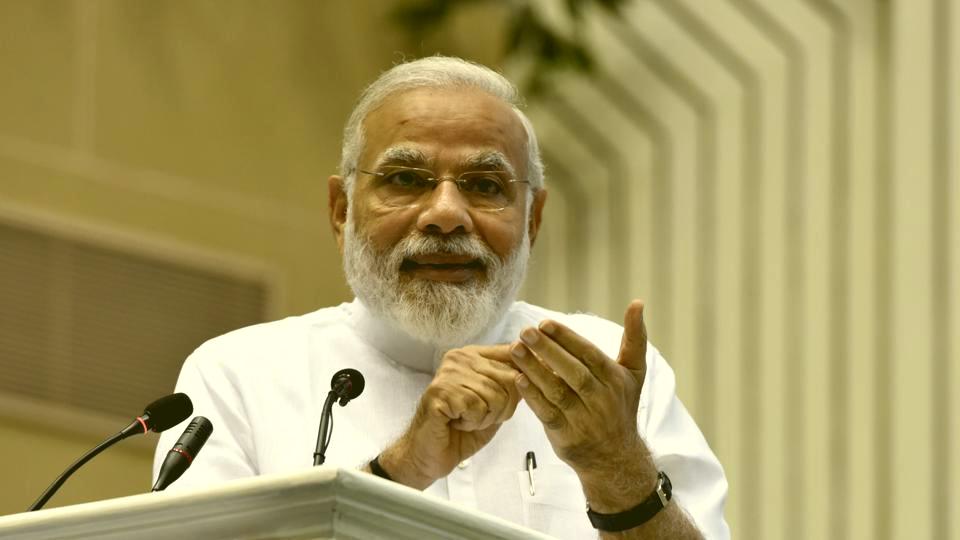
However, the Prime Minister of India, Shri Narendra Modi, not the one to be deterred by failures and true to his penchant of tackling the most untackable issues appointed a committee at the Niti Aayog to recommend how progress could be made in this important area in June 2017. It was nothing short of a miracle that this committee was successful in forging a consensus around the reforms among its members, which included the top officials of Niti Aayog, HRD ministry, UGC and All India Council of Technical Education (AICTE) and submitted its report to the PMO at the end of August 2017.

Armed with this report and its recommendations, The Narendra Modi led government, in the final year of its term and has presented a very pragmatic budget in spite of immense pressure for populist measures, has deftly and skillfully initiated the most far-reaching reforms for Higher education in India. Part of the credit goes to our human resource development (HRD) minister Shri Prakash Javadekar. Where one HRD minister after another failed to do anything meaningful about the various malaises, Shri Javadekar has now announced the most far-reaching reforms in higher education. The most striking feature of the reform is the promise of autonomy to the best performing institutions. The far-reaching changes are part of two separate Gazette notifications: the Graded Autonomy Regulations (GARs) 2018 and the Autonomous Colleges Regulations (ACRs) 2018. Another set of Recommendations in a third area, accreditation, have received approval from UGC but await a nod from the HRD ministry.

The GARs have broadly divided universities into three categories based on their National Assessment and Accreditation Council (NAAC) scores: Category I have more than 3.5 in NAAC score and universities listed among the top 500 in international rankings such as the Times Higher Education and QS; Category II has a score between 3.25-3.49; Category III with scores > 3.25. In a break from the past, Universities in Categories I and II have been granted considerable autonomy while those in Category III remain subject to the existing rules. The universities in Categories I and II are permitted to start new courses, programmes, departments, schools and centers and open constituent colleges within their geographical jurisdiction in self-financing mode. These universities will also be exempt from UGC inspections, offer attractive remuneration to talented faculty from their own resources and engage in international collaborations including hiring foreign faculty. The Decision-making authority has been shifted from the UGC to the various bodies of the university itself.

Moreover, the Category I universities will automatically come under Section 12B of the UGC Act without a UGC inspection. They will also have the freedom to open research parks, incubation centres and university society linkage centres.

For the autonomous colleges, the ACR 2018 has extended autonomy to a larger set of colleges so that they may evolve into high-performing institutions, maybe even independent universities in the long term. These new regulations make a concerted effort to minimize the roadblocks that the affiliating university, the state government, and UGC can place in the path to autonomy once an eligible college applies for it. Another reform which is currently awaiting the HRD ministry’s approval stipulates that an advisory council public figures and distinguished academics of unimpeachable integrity will be charged with empanelling the accreditation agencies. The universities and colleges will be required to contribute the fees to a central pool from which the accreditation agencies would be paid so that they are not able to influence accreditation agencies.

No doubt these reforms have immense potential and can make India, a knowledge powerhouse if done right. But an immediate roadblock in place is the presence of the UGC. The government will need to bring a new legislation to replace the UGC Act, 1956 to make these reforms permanent without which there is the risk of a future government reverting to old rules. The new legislation should also provide the necessary groundwork to replace the UGC by a less intrusive and more independent regulatory body.
Tags: Higher EducationNarendra ModiPrakash JavadekarUGCUniversities
Share769TweetSend
Previous Post

Yogi Adityanath looks set to win 10 seats in Tripura for the BJP

Next Post

PNB Scam: Should the Modi Government be held responsible for it?

Related Posts

Resolve of a Changing Bengal: Youth, Potential, and Call for Transformation
Opinions

Resolve of a Changing Bengal: Youth, Potential, and Call for Transformation

21 April 2026

The yearning for change in the soil of Bengal is not a sudden wave, it is a convergence of...

Redefining Terms of Truly Mutual Trade Deal: Sovereignty and Strategy in the US–Bangladesh Framework
Economy

Redefining Terms of Truly Mutual Trade Deal: Sovereignty and Strategy in the US–Bangladesh Framework

15 April 2026

The debate around Bangladesh’s emerging trade framework with the United States cannot be reduced to a binary choice of...

Race Against Iran Deadline: Was Pakistan’s Ceasefire Bid Driven by the White House?
Geopolitics

Race Against Iran Deadline: Was Pakistan’s Ceasefire Bid Driven by the White House?

9 April 2026

Pakistan attempted to position itself as a peacemaker in the escalating tensions involving Iran, but the reality behind the...

Load More

Leave a Reply Cancel reply

Your email address will not be published. Required fields are marked *

I agree to the Terms of use and Privacy Policy.
This site is protected by reCAPTCHA and the Google Privacy Policy and Terms of Service apply.

Currently Playing

From Runways to Warships: India’s Firefighting Warrior Built for Bases & Battles| IAF | VayuShakti

From Runways to Warships: India’s Firefighting Warrior Built for Bases & Battles| IAF | VayuShakti

00:05:40

Ethanol, EVs and Solar- How India’s Energy Game Is Changing | Modi on LPG & Crude Oil | war| Hormuz

00:05:21

Truth of IRIS Dena: 8 Days That Changed Narrative | War zone Reality, Not an Indian Navy Exercise

00:08:02

300 Million Euros for SCALP: Strategic Necessity or Costly Dependency on France300

00:04:06

Tejas Mk1A: 19th aircraft coupled but Not Delivered: What Is Holding Back the IAF Induction?

00:07:21
Facebook Twitter Instagram Youtube
tfipostTfipost.com
Right Wing | News Analysis | Indian Opinion
  • About us
  • Contact Us
  • Careers
  • Brand Partnerships
  • Terms of use
  • Privacy Policy
  • Sitemap

©2026 TFI Media Private Limited

No Result
View All Result
  • Premium
  • Politics
    • Analysis
    • Opinions
    • Trending
  • Economy
    • Business
    • Finance
  • Defense
    • Defence
    • Strategy
    • Weaponry
  • Geopolitics
    • Africa
    • Americas
    • Asia Pacific
    • Europe
    • South Asia
    • West Asia
  • Knowledge
    • Culture
    • History
    • Indology
  • Law
  • Lounge
    • Books
    • Cinema
    • Food
    • Health
    • Sports
    • technology
    • Travel
    • Satire
TFIPOST हिन्दी
TFIPOST Global

©2026 TFI Media Private Limited