















Chinese President Xi Jinping’s decision to skip Prime Minister Narendra Modi’s gala dinner for BRICS leaders on Saturday night has become one of the most talked-about moments of the 18th BRICS Summit — not because of what was said, but because of who wasn’t there. Here’s what is known, and not known, about why he stayed away.
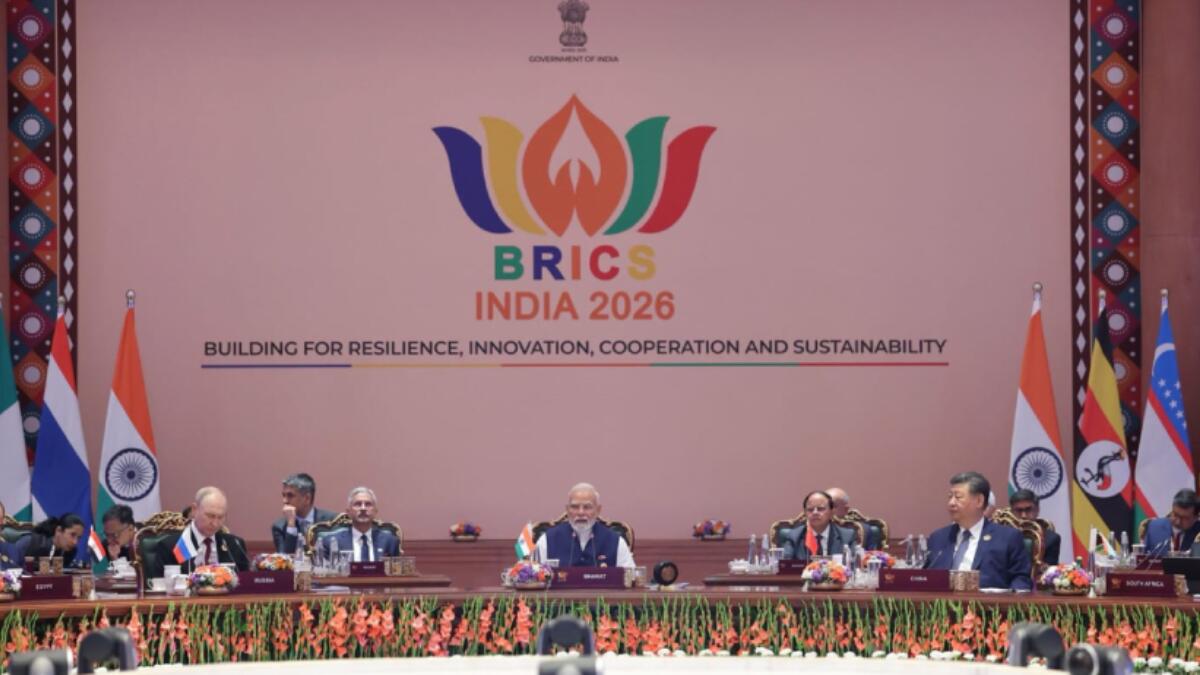
Xi landed in New Delhi around noon on Saturday, 12 September, having left China that morning. It was his first visit to India in nearly seven years. He went straight into the summit’s opening session at Bharat Mandapam, followed by a bilateral meeting with Modi on the sidelines — their first formal one-on-one in years, closely watched as a marker of the two countries’ cautious effort to normalise ties after the 2020 Galwan clash.
Hours later, when leaders sat down for Modi’s gala dinner at Bharat Mandapam, Xi’s chair was empty. Russian President Vladimir Putin and most other BRICS leaders attended; Xi and the visiting Abu Dhabi Crown Prince, Sheikh Khaled bin Mohamed, were the two notable absentees. The Crown Prince had already left for home after his own engagements earlier in the day, but Xi’s absence was different — he was still in the city, staying back at his hotel instead of joining the dinner just a short distance away.
The official explanation: fatigue
Neither Beijing nor New Delhi issued a formal statement explaining the absence. The explanation that circulated came from an unnamed source cited by multiple Indian outlets, who said Xi had returned to his hotel to rest after a long day of travel and engagements. No further elaboration was offered by Chinese officials.
The moment that fuelled speculation
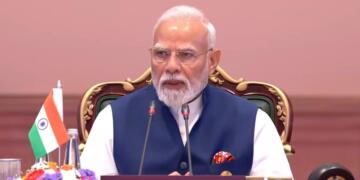
Adding to the intrigue was a small but widely noticed episode earlier in the day. While delivering his opening remarks at the summit, Modi paused mid-speech after appearing to notice something was off with Xi. Turning toward the Chinese leader, Modi asked his translator, “Is he okay?” — repeating the question before Xi nodded in response, after which Modi resumed his speech. The exchange, captured in Doordarshan’s broadcast footage, briefly raised questions about Xi’s health, though nothing beyond the nod and Modi’s passing concern was recorded, and no official cause was ever cited for whatever discomfort Xi may have shown in that moment.
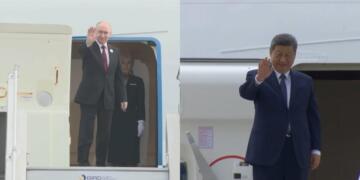
Combined with the dinner no-show hours later, the episode gave the fatigue explanation an added layer of speculation — did tiredness alone explain both moments, or was something else at play? As of now, that remains unconfirmed; officials on both sides have described the summit’s atmosphere as warm, pointing to a friendly handshake between Modi and Xi and a widely shared photo of Modi, Putin and Xi together, echoing a similar image from last year’s SCO summit in Tianjin.
Why the dinner mattered
The gala dinner was the summit’s marquee social event, bringing together BRICS leaders, partner-country representatives, and a large roster of Indian dignitaries, including several Union ministers and chief ministers. For a visit already being read closely for signs of a genuine reset in India-China relations, Xi’s absence stood out precisely because everything else about the day had been choreographed toward warmth: the ceremonial welcome in front of a projection of Tamil Nadu’s Ramanathaswamy temple, the handshake, the bilateral talks. Skipping the dinner broke that pattern, even if the stated reason was as mundane as tiredness.
The substance behind the smiles
Diplomatically, the day’s real business was the Modi-Xi bilateral, and it showed that warmth has its limits. According to India’s official readout, Modi told Xi that peace and tranquillity along the border remains the “essential basis” for the relationship — a pointed reference to the unresolved boundary dispute. China’s side called instead for “parallel, mutually reinforcing progress” on ties and the border, a formulation that avoids conceding India’s precondition. Beijing separately said Modi had assured Xi that anti-China activities would not be allowed on Indian soil, while reiterating no change in its own position on Tibet and Taiwan.
There is no confirmed, official reason for Xi’s absence from the dinner beyond the “tired, went to rest” explanation offered by an unnamed source. The uncomfortable moment during Modi’s speech has added to public curiosity, but nothing has linked the two events definitively, and neither government has treated the dinner skip as diplomatically significant. What is clear is that the optics of the day — a historic visit, a friendly bilateral, then a conspicuous absence hours later — captured attention precisely because so much else about the visit had been built around signalling a thaw between the two countries.