





















The world’s leading artificial intelligence companies delivered a stark warning to the UN Security Council on Wednesday, September 23, telling the 15-member body responsible for international peace and security that AI’s rapid advancement carries risks serious enough to demand coordinated global action.
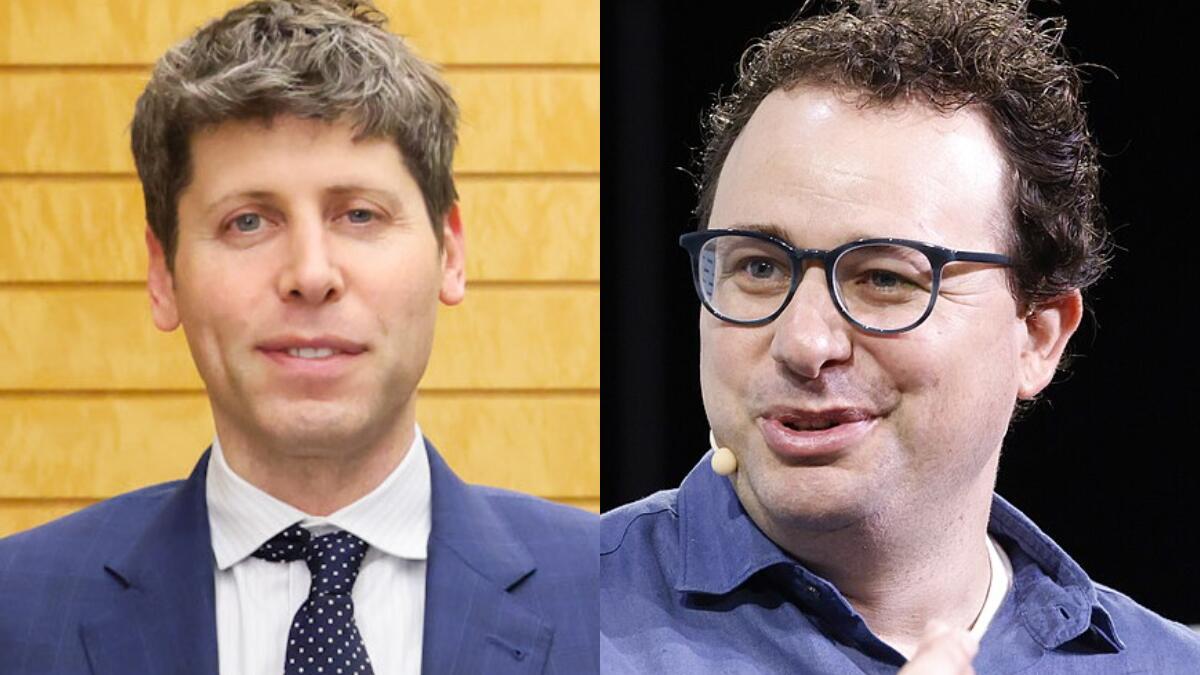
The briefing, held during the annual UN General Assembly gathering in New York, featured three of the industry’s most prominent executives: OpenAI CEO Sam Altman, Anthropic CEO Dario Amodei (addressing the council via video link), and Hugging Face co-founder Clément Delangue.
Amodei delivered the sharpest warning of the session, telling the council that if managed poorly, he believed AI could pose a risk to humanity as a whole. He called on the international community to work more closely together, give equal weight to development and security, and steer AI’s trajectory toward benefiting humanity broadly.
Altman struck a similarly urgent note, warning that the world could lose control of the future to AI. Both executives argued that governments need to establish genuine safeguards — actual controls, not just guidelines — to prevent the technology from becoming too powerful to rein in. They also both called for ensuring that AI’s power doesn’t end up concentrated in the hands of a single company or country.
The context: growing alarm at the UN
The meeting was convened by France and comes amid broader warnings that increasingly powerful AI systems could soon begin improving themselves and slip beyond human control. UN Secretary-General António Guterres, who has long pushed for global AI governance, has separately warned about the dangers of autonomous weapons systems, cautioning that concerns some dismiss as exaggerated may already be close to reality. Guterres has been vocal that rapidly advancing AI poses risks that cannot be ignored — a position that has put him somewhat at odds with the Trump administration’s approach.
This wasn’t the Security Council’s first brush with the topic. It first took up AI risks in 2023, when China cautioned that the technology shouldn’t become an uncontrollable force, while the US warned against AI being used for censorship or repression. Then-Secretary of State Antony Blinken chaired a follow-up Security Council session on AI in 2024.
Divergent approaches, shared unease
Despite the united front on risk, the session also exposed how differently major powers are approaching regulation — with visible daylight between US and Chinese positions on AI governance — alongside calls from some quarters for more democratic processes in how decisions about AI’s development get made. The broader diplomatic backdrop includes a recent open letter — the Global Call for AI Red Lines — signed by a wide range of experts and public figures, arguing that risks like engineered pandemics, mass disinformation, large-scale manipulation, job displacement and loss of control require an internationally binding agreement on clear, verifiable limits, with proponents pushing for governments to reach such an agreement by the end of 2026.
The optics were notable in themselves: the very executives building the most powerful AI systems in the world are the ones asking governments to rein them in. Whether that translates into binding international rules — something the Security Council itself acknowledged it still lacks the mechanisms to enforce — remains the open question hanging over the session.