


























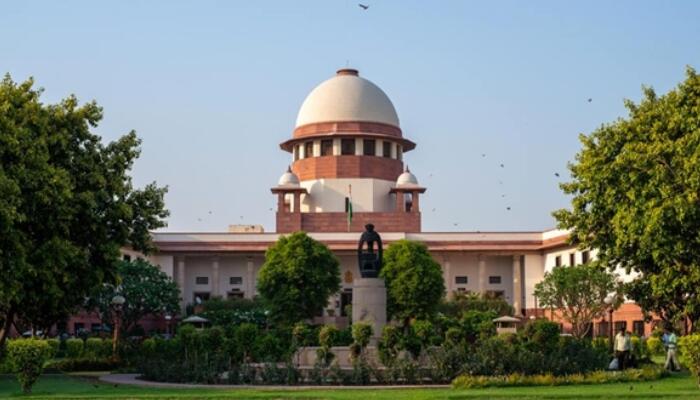
The Supreme Court of India is set to function with near-full strength after the Central Government cleared the appointment of five judges to the apex court. The decision was approved by the President under Article 124(2) of the Constitution, following recommendations made by the Supreme Court Collegium.
Law Minister Arjun Ram Meghwal confirmed the development on social media platform X, stating that the President had approved the appointments. The latest elevations come as part of a coordinated effort to reinforce the judicial capacity of the country’s highest court at a time of rising caseloads.
Collegium recommendation under CJI Surya Kant
The names were recommended on May 27 by the Collegium led by Chief Justice of India Surya Kant. This marks the first major set of Supreme Court appointments under his leadership since he assumed office in November 2025, signalling an early administrative push in judicial restructuring at the apex level.
The appointees include Justice Sheel Nagu, Chief Justice of the Punjab and Haryana High Court; Justice Shree Chandrashekhar, Chief Justice of the Bombay High Court; Justice Sanjeev Sachdeva, Chief Justice of the Madhya Pradesh High Court; and Justice Arun Palli, Chief Justice of the High Court of Jammu and Kashmir and Ladakh. Senior advocate Venkita Subramani Mohana has also been elevated from the Bar.
Strength expansion pushes court closer to full sanctioned capacity
The appointments follow the Centre’s decision to expand the sanctioned strength of Supreme Court judges from 34 to 38 through the Supreme Court (Number of Judges) Amendment Ordinance, 2026. With these five inductions, the court’s working strength will rise to 37 judges, leaving only one vacancy under the expanded framework.
The move is designed to address the growing backlog of cases and enable the constitution of more benches, particularly Constitution Benches that deal with complex constitutional questions requiring larger judicial formations.
Institutional balance and judicial workload
Beyond numerical expansion, the appointments also reflect considerations of seniority, merit, regional representation and gender diversity, factors that continue to shape elevations to the Supreme Court.
As the apex court moves closer to its expanded sanctioned strength, the development underscores a broader institutional attempt to enhance judicial efficiency while maintaining balance within the higher judiciary.
