


















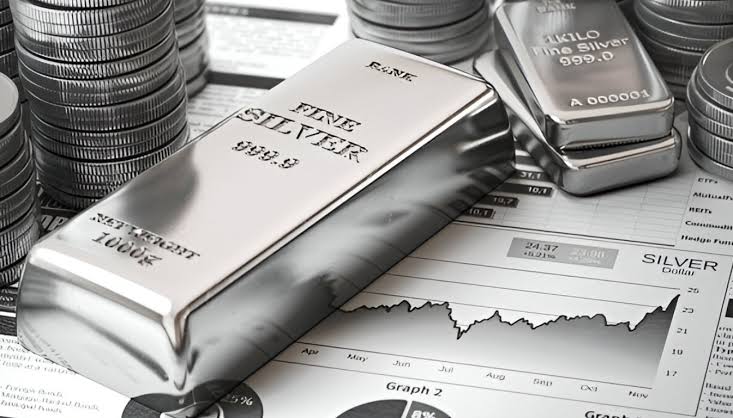
Silver occupies an interesting space in Indian markets—it’s affordable enough for everyday buyers yet volatile enough to attract serious investors. Anyone planning a purchase typically starts by checking the Silver Rate Today, since this metal’s pricing can shift more sharply than gold within short periods, driven by a mix of industrial and investment demand working simultaneously.
The Dual Nature of Silver Demand
What makes silver pricing genuinely different from other precious metals is its split identity. It functions as both a store of value and a critical industrial input, which creates a more complex pricing pattern:
- Manufacturing demand, especially from electronics, batteries, and solar technology
- Mining supply constraints, which can tighten availability unexpectedly
- Currency fluctuations, particularly rupee-dollar movements
- Global economic sentiment, since silver often attracts safe-haven buying
- Government import policies, which directly affect landed costs in India
This dual demand structure means silver prices sometimes react to industrial news even when gold markets remain relatively calm.
How Purity Impacts What You Pay
Silver purity isn’t uniform across all products, and understanding these grades helps buyers make sense of pricing differences:
- 999 Purity – the finest grade, typically reserved for investment bars and coins
- 925 Sterling – the standard for most jewellery, strengthened with alloy metals
- 900 Grade – occasionally found in traditional or regional silverware
A buyer purchasing 999 silver coins will naturally pay more per gram than someone buying 925 sterling jewellery, even though both are considered “pure” in common usage.
What Gets Added to the Base Price
The rate seen on a price chart is rarely the final amount paid at billing. Several components typically get added:
- Labor or making charges, based on design and craftsmanship involved
- GST, calculated on the combined metal and labor value
- Handling or packaging charges, occasionally applied by certain retailers
Buyers are often better served by requesting a full cost breakdown before purchase, as this prevents confusion when comparing quotes from different sellers.
City-Level Variations in Silver Pricing
Although silver trades as a global commodity, its retail price within India isn’t consistent nationwide. Local tax structures, dealer margins, and regional demand all play a role in creating these differences. Buyers in North India frequently find it more accurate to look up the Silver Rate Today in Delhi specifically, rather than relying on an average national figure, since pricing conventions in the capital region can differ meaningfully from those followed in eastern or southern states.
Cultural Occasions That Influence Buying Patterns
Silver holds particular cultural significance in India, and demand tends to spike around specific occasions:
- Dhanteras, when buying silver is considered symbolically auspicious
- Diwali, a period marked by gifting silver coins and decorative items
- Housewarming ceremonies, where silver utensils are traditionally gifted
- Wedding season, especially for silver jewellery exchanged during rituals
These recurring demand spikes can create temporary pricing pressure in local markets, separate from what’s happening internationally.
Silver’s Growing Role in Investment Portfolios
While jewellery and utensils remain popular, silver has steadily gained traction as a standalone investment asset. Options available to modern investors include:
- Silver bars and coins held for long-term appreciation
- Exchange-traded funds that track silver prices without physical storage
- Digital silver, allowing investment in small, flexible amounts
- Silver futures contracts, used by more experienced traders
Each of these carries distinct risk profiles and liquidity characteristics, meaning the right choice depends heavily on an individual’s investment horizon and comfort with market volatility.
Practical Approaches to Monitoring Prices
Rather than checking rates impulsively, developing a structured approach tends to yield better results:
- Reviewing prices at a consistent time each day
- Comparing rates across several reliable sources before large purchases
- Tracking industrial demand trends alongside investment news
- Separating metal cost from additional charges during comparisons
These consistent tracking habits help buyers develop a clearer sense of pricing patterns over time, making future purchase decisions more informed and less reactive to short-term market noise.