






















Quick Summary
- Gen Z isn’t picking hostels just to save a few rupees. They want the experience, not the fancy room.
- Hostels in Rishikesh, India, make it so much easier to meet other travellers from all over the world, and honestly, that’s half the fun.
- Cheaper stays mean more cash for rafting, yoga classes, cafe hopping, and random weekend plans that come together at the last minute.
- A good chat with a stranger in the common room can end up meaning more than any hotel amenity ever could.
- Flexible bookings and shared spaces just fit better with how people actually travel now; plans change, and that’s fine.
There’s been a real shift in how young people travel. A few years back, the cheapest room won. Now it’s not that simple. Gen Z wants stories worth telling. Give them a choice between room service and river rafting, and rafting wins almost every time. Sharing a dorm doesn’t bother them if it means meeting someone who’s heading to the same sunrise hike the next morning.
That’s a big reason hostels in Rishikesh, India, have started winning over traditional hotels. It’s not just about price. It’s about the kind of trip this generation actually wants to have.
Rishikesh already has the ingredients: adventure sports, yoga schools, riverside cafes, live music, trekking trails, spiritual spots, and a steady stream of backpackers from India and abroad.
Staying in a hostel drops you right into that energy instead of watching it from a hotel window.
Why Gen Z Keeps Choosing Hostels in Rishikesh, India
It comes down to community, flexibility, cost, and getting a real feel for the place. Why pay extra for hotel facilities you’ll barely touch when a hostel gets you social spaces, new friends, activities, and honest local tips instead?
That’s exactly why so many solo travellers, backpackers, students, and young professionals are searching for hostels in Rishikesh, India, before their weekend getaways.
Community Comes Before Comfort
Hotels give you privacy. Hostels give you people. For a lot of Gen Z travellers, that second one matters more.
Walk into a hostel, and you’ll probably bump into someone who just got off the river after white-water rafting, someone mapping out a sunrise walk to Kunjapuri Temple, or a digital nomad squeezing in work between mountain trips.
Conversations just happen. Over breakfast. In the lounge. During a random game of cards. While two strangers compare notes on where to go next. Those little moments end up being the best part of the trip.
Saving Money Means Saying Yes to More
Budget still matters. It just works differently now.
Gen Z isn’t hunting for the absolute lowest price; they’re trying to get the most out of every penny they spend, which is a slightly different game altogether.
Choosing a hostel over a hotel in Rishikesh usually frees up enough money for the stuff that actually makes the trip memorable. Things like:
- White-water rafting on the Ganga
- A yoga class with a mountain view
- Cafe hopping around Tapovan
- Renting a scooter for nearby viewpoints
- Riverside camping
- Local food walks
- Live music evenings
- Bungee jumping
- Staying a few extra days without blowing the budget
Ask a backpacker what they remember months later. It’s almost never the thread count or the breakfast buffet. They’ll talk about the rafting guide who dared them to jump in, the people they met over dinner, or that cafe someone recommended halfway through a conversation in the hostel lounge. That’s where the money really goes to work.
Flexibility Fits the Way Gen Z Actually Travels
Trips don’t always get planned weeks in advance anymore. Someone finds cheap train tickets. A friend gets a sudden day off. A long weekend shows up out of nowhere. The trip just happens.
That kind of spontaneity fits hostels really well. Plenty of travellers book only a couple of nights before showing up, then extend their stay after meeting new people, or shift plans mid-route through North India.
“Best hostels near me” has become a common search because a lot of young travellers now decide where to stay after they’ve already landed somewhere.
Rather than locking themselves into a pricey hotel booking, they’d rather have something that bends around changing plans. With its mix of weekenders, solo travellers, and backpackers, Rishikesh fits that style naturally.
Rishikesh’s Adventure and Wellness Scene Starts at the Hostel
Rishikesh has always pulled in a different crowd. Some come for yoga teacher training. Others come to get past their fear of rafting or bungee jumping. Plenty just need a break from city noise without spending a fortune.
Here’s the interesting part: these travellers rarely cross paths in a hotel lobby. It’s far more likely to happen in a hostel lounge, over breakfast before a rafting trip, or on an evening walk to Triveni Ghat.
That’s a big part of why hostels have become such a core piece of Rishikesh’s travel culture. They pull together people who are there for similar reasons. Someone mentions a sunrise yoga class, another shares an offbeat cafe, and suddenly the rest of the trip looks completely different than planned.
Final Thoughts
For Gen Z, a trip doesn’t get measured by how fancy the room was. It gets measured by the conversations, the people, the adventures, and whatever memories made it back home with them.
That’s why hostels in Rishikesh, India, keep pulling in students, backpackers, solo travellers, remote workers, and weekend explorers from all over the country.
So if you’re planning your next trip and searching for the best hostels near me, think past the price tag. Look for a place that sends you home with stories, not just photos.
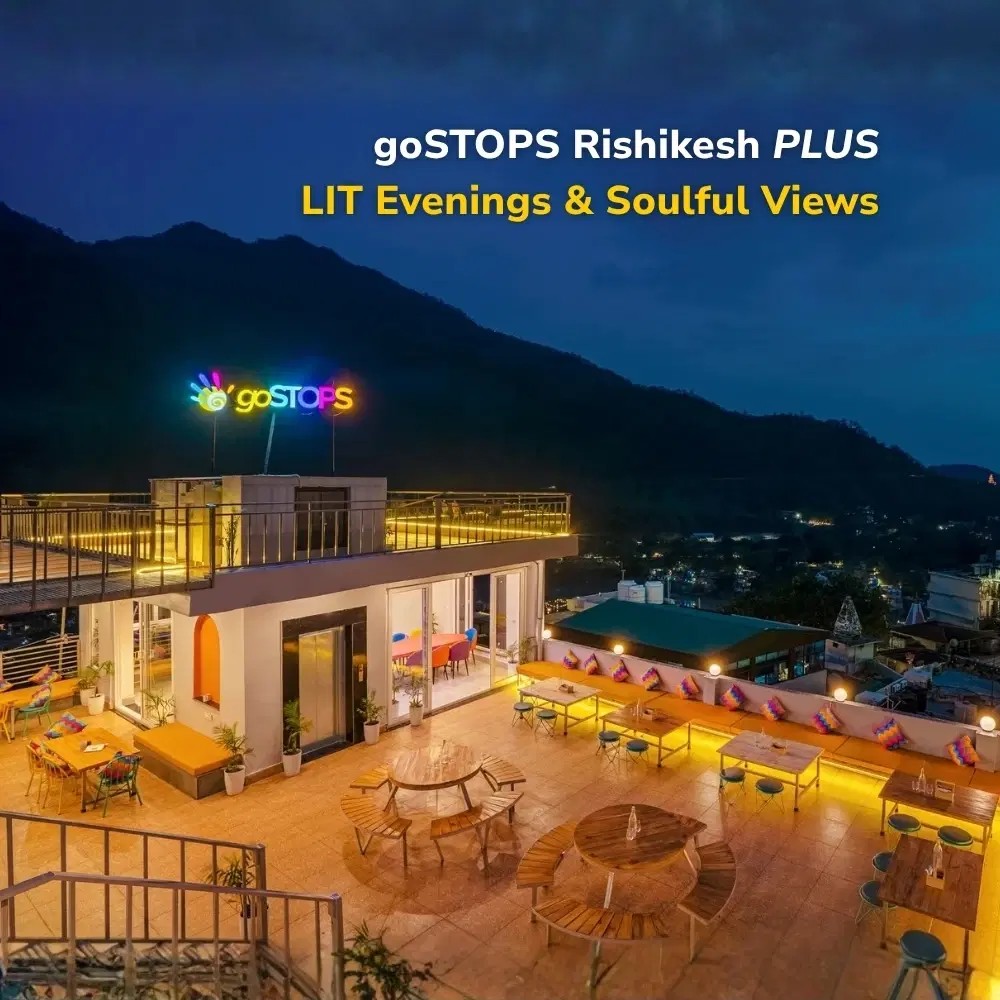
If you want to feel Rishikesh’s social, adventurous side for yourself, goSTOPS in Rishikesh is exactly the kind of place where that experience begins.
FAQs
1. Are hostels in Rishikesh safe for solo travellers?
Yes, for the most part. Well-reviewed hostels in Rishikesh, India, usually have secure entry, lockers, CCTV in common areas, and staff who keep an eye on things. Solo travellers, especially women, often lean toward established hostels since the community vibe makes meeting other people feel a lot more natural.
2. What should I look for when searching for the best hostels near me in Rishikesh?
Check the reviews first. Then look at cleanliness, location, security, Wi-Fi, common spaces, organised activities, and whether private rooms are an option if you want a bit more privacy some nights.
3. How many days are enough to explore Rishikesh?
Three to five days work well for most people. That’s enough time for a few yoga sessions, the Ganga Aarti, some adventure sports, a couple of cafés, the local markets, and just soaking in the relaxed pace that makes Rishikesh one of India’s favourite backpacking stops.