





















The Narendra Modi government has issued a firm and data-backed defence of the ₹81,000 crore Great Nicobar Project, pushing back against criticism from Congress leader Rahul Gandhi and asserting that the initiative is vital to India’s long-term strategic and economic interests. The Centre has framed the project as a decisive step to strengthen India’s presence in the Andaman Sea and the wider Indo-Pacific.
Officials have described the project as one of “strategic, defence, and national importance”. They say it will establish a major international transshipment terminal, improve connectivity, and integrate Great Nicobar into global trade and logistics networks. The government also expects the project to reduce India’s dependence on foreign ports while strengthening maritime and defence capabilities.
Geography at the Core of Strategy
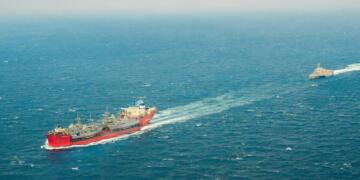
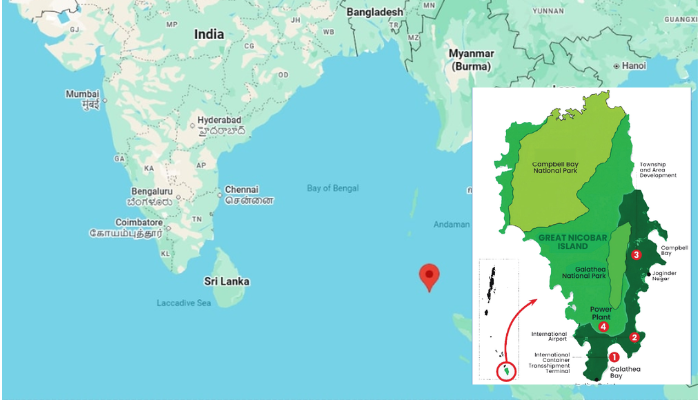
Geography sits at the heart of the government’s argument. Great Nicobar lies close to one of the world’s busiest East-West shipping routes. The proposed port will be located about 150 km from the Malacca Strait, a key maritime chokepoint through which nearly 75 per cent of China’s energy supplies pass.
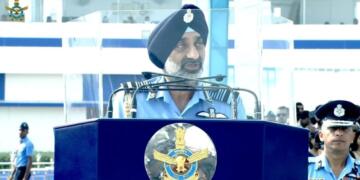
Former Air Chief Marshal R.K.S. Bhadauria has supported the project, stating that it will strengthen India’s military footprint in the region. He has pointed to recent global disruptions to underline the importance of securing sea lanes.
The Centre believes the project will boost maritime dominance and trade efficiency. It also aims to create a domestic transshipment hub, reducing reliance on ports in countries such as Singapore and Sri Lanka. While critics raise alarms, the government’s data presents a far more measured picture.
Infrastructure Push and Economic Scale
The project outlines a comprehensive infrastructure plan. It includes an international container transshipment terminal, a greenfield international airport with capacity for 4,000 peak-hour passengers, and a 450 MVA gas and solar-based power plant. Authorities have also proposed a modern township spread across more than 16,000 hectares.
The development will span approximately 166.10 sq km. Officials plan to implement it in phases between 2025 and 2047 to ensure close monitoring and controlled expansion.
Environmental Safeguards Under Scrutiny
Environmental concerns remain central to the political debate. Rahul Gandhi has warned of deforestation and ecological damage, describing the project as harmful to the island’s fragile ecosystem.
The government has responded with detailed figures. It says the project will divert only 1.82 per cent of the total forest cover in the Andaman and Nicobar Islands. About 18.65 lakh trees fall within the project area, but officials plan to fell around 7.11 lakh trees in phases.
Authorities have proposed compensatory afforestation across more than 97.30 sq km. They will also maintain green zones covering nearly 66 sq km. Three independent monitoring committees will oversee environmental compliance, biodiversity conservation, and community welfare.
Tribal Rights and Legal Backing
The Centre has rejected claims of tribal displacement. It has been stated that no displacement of the Shompen and Nicobarese communities is planned. Officials have followed all statutory safeguards, including compliance with the Forest Rights Act, 2006.
The government has secured a no-objection certificate from the Ministry of Tribal Affairs. It has also confirmed that the notified tribal reserve area will see a net increase through re-notification measures.
A Defining Policy Test
The political confrontation around the project has intensified. Rahul Gandhi has called it a grave threat to natural and tribal heritage. The government maintains that it balances development with environmental responsibility and social protection.
With implementation spread over two decades, the Great Nicobar Project now stands as more than an infrastructure plan. It is a test of India’s willingness to pursue strategic ambition with clarity and conviction.