













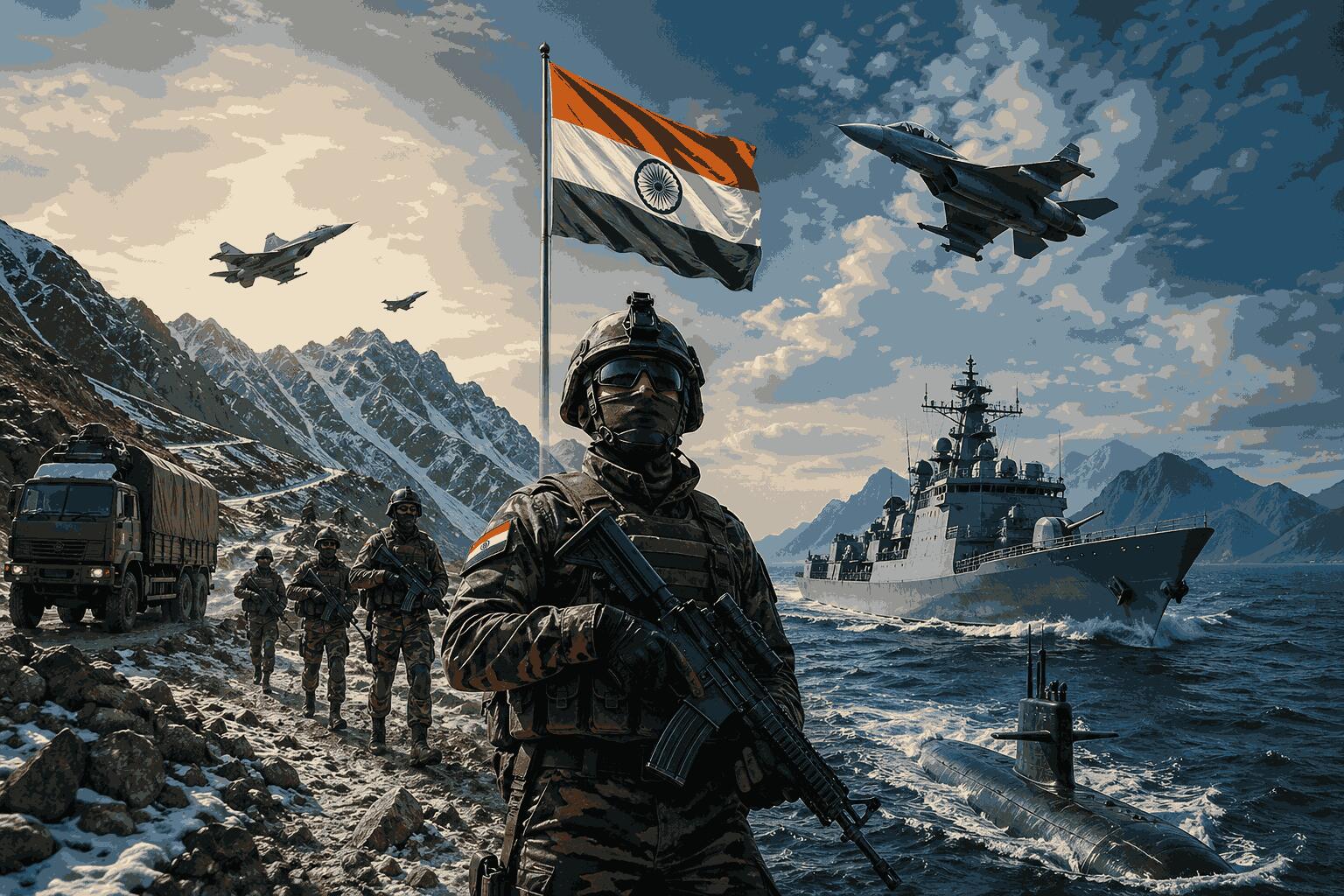
India’s rise as a confident regional power is increasingly visible in the way it is responding to China’s assertiveness across land, sea, and diplomacy. Indian Military Prowess is no longer confined to troop strength alone; it now includes infrastructure growth, naval reach, strategic partnerships, and calibrated foreign policy. From the Himalayas to the Indo-Pacific, New Delhi is shaping a long-term response designed to secure national interests while maintaining regional balance.
The most visible arena of this competition remains the disputed border along the Line of Actual Control. Since the 2020 Galwan clash, India has accelerated road building, tunnels, bridges, and forward logistics in border states such as Arunachal Pradesh, Sikkim, and Ladakh. Strategic roads and advanced landing grounds are improving troop mobility and response time. This modernisation reflects Indian Military Prowess through preparation rather than provocation.
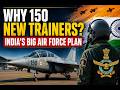
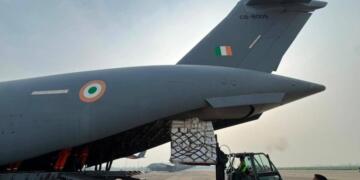
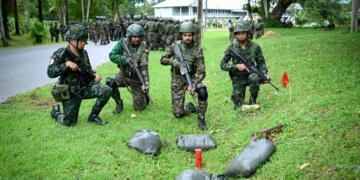
Equally significant is India’s military rebalancing. More troops, artillery, surveillance assets, and air power have been positioned in northern sectors. Rafale fighter jets, heavy-lift helicopters, drones, and missile systems have strengthened deterrence capability. India’s doctrine now emphasizes readiness and rapid deployment. Indian Military Prowess is therefore becoming a blend of technology, terrain mastery, and sustained logistics under harsh conditions.
At sea, India is countering Chinese influence in the Indian Ocean. Beijing’s expanding presence through ports and strategic access points has prompted New Delhi to deepen naval operations from the Andaman and Nicobar Islands to the Arabian Sea. India’s island commands and maritime surveillance network now play a crucial role in monitoring chokepoints such as the Malacca Strait. Here too, Indian Military Prowess is expressed through geography, naval reach, and maritime intelligence.
Diplomatically, India is building a wider balancing coalition. Stronger ties with Japan, the United States, Australia, and Indo-Pacific partners are reshaping the strategic map. Defence exercises, technology cooperation, and logistics agreements are creating a web of partnerships that complicate unilateral Chinese ambitions. This networked strategy demonstrates Indian Military Prowess beyond the battlefield, proving that diplomacy can be a force multiplier.
India has also carefully expanded economic and political engagement with Taiwan through trade, technology, and talent mobility while maintaining formal diplomatic caution. Semiconductor cooperation and supply-chain diversification have strategic implications. Without dramatic gestures, India is quietly increasing leverage. This subtle approach reveals Indian Military Prowess in its broader national-security sense: strength backed by economic resilience and strategic patience.
Another pillar of India’s response is domestic defence production. Initiatives encouraging indigenous missiles, drones, naval vessels, artillery, and aerospace systems aim to reduce import dependence. Programmes tied to self-reliance are not merely economic—they are strategic necessities. A nation able to equip itself enjoys greater autonomy during crises. In this sense, Indian Military Prowess is tied directly to factories, research labs, and industrial confidence.
China’s challenge is multidimensional, and India’s answer is increasingly the same. Instead of reacting impulsively, New Delhi is combining military modernisation, infrastructure expansion, maritime vigilance, economic diversification, and diplomatic partnerships. This steady accumulation of capabilities may prove more effective than headline-grabbing confrontation.
The broader message is clear: India does not need reckless escalation to defend its interests. It needs endurance, coordination, and strategic clarity. By investing in roads on the frontier, ships in the ocean, alliances abroad, and industry at home, the country is steadily strengthening its position. Indian Military Prowess now stands not just for armed strength, but for national capacity in every sphere.
As the Asian balance of power evolves, India’s measured response may become a defining model of 21st-century statecraft. Power today is not only about warfighting—it is about preparedness, resilience, and influence. By that standard, Indian Military Prowess is becoming one of the most consequential forces in the region.