



















RelatedPosts
India’s rural drinking water programme received a significant policy boost this week. The Union Cabinet approved the extension and restructuring of the Jal Jeevan Mission until December 2028 with an enhanced outlay of ₹8.69 lakh crore. The decision coincided with the national celebration of Jal Mahotsav 2026 in New Delhi, where the President of India, Droupadi Murmu, honoured grassroots leaders who have contributed to transforming rural drinking water governance.
The national event of Jal Mahotsav 2026 was held at Vigyan Bhawan on Wednesday and formed a key highlight of the nationwide campaign being observed from 8 March to 22 March 2026. Organised by the Department of Drinking Water and Sanitation under the Ministry of Jal Shakti, the initiative aims to strengthen community participation and sustainability in rural drinking water service delivery under the Jal Jeevan Mission.
President Highlights Water as a Pillar of Health and Dignity
Addressing the gathering, President Murmu described water as a fundamental pillar of health, dignity and sustainable development. She said access to safe drinking water is essential for social progress and acknowledged the transformative role played by the Jal Jeevan Mission in delivering functional tap connections to rural households.
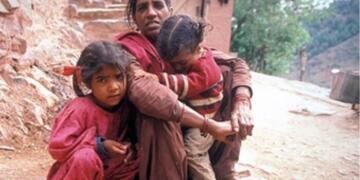
She noted that for decades women and children in rural India bore the burden of fetching water from distant sources, often affecting their health, education and well being. The mission, she said, has helped address this challenge by bringing safe drinking water directly to households.
Murmu emphasised that the success of the programme lies not only in infrastructure creation but also in empowering communities to manage and sustain water supply systems. Gram Panchayats, Village Water and Sanitation Committees, Self Help Groups and trained community members now play an important role in operating and maintaining rural water supply networks.
She also highlighted the growing leadership of women in water governance. Across the country, women trained in the use of Field Test Kits are actively monitoring drinking water quality at the village level, strengthening community confidence in local water services.
Technology and Community Participation Drive Progress
The President pointed to the integration of digital tools in strengthening transparency and efficiency in rural water management. Platforms such as the Sujalam Bharat App, real time dashboards, decision support systems, the Meri Panchayat App and the Panchayat Dashboard are enabling data driven planning and timely sharing of information at the Gram Panchayat level.
She also referred to initiatives such as Jal Seva Aankalan, which assesses rural water supply systems, and the Nal Jal Mitra programme that provides skill training to local women and youth, enhancing the operation and maintenance of water infrastructure while generating livelihood opportunities.
Emphasising sustainability, Murmu stressed the importance of greywater management, groundwater recharge and rainwater harvesting. She also acknowledged the role of the Central Ground Water Board in promoting sustainable water resource management.
Marking World Plumbers’ Day, the President commended plumbers for their contribution to maintaining rural water infrastructure and appreciated the participation of Self Help Groups in supporting community led efforts for water security. Reiterating the message “Jal Hai to Kal Hai”, she called for collective responsibility to safeguard water resources for future generations.
During the ceremony, she honoured community members from across states and Union Territories for their exemplary role in managing and sustaining rural drinking water systems. Their work, she said, demonstrates how community participation, technology and effective governance together can transform public service delivery.
Cabinet Approves Jal Jeevan Mission 2.0
A day earlier, the Union Cabinet chaired by Prime Minister Narendra Modi approved the extension and restructuring of the Jal Jeevan Mission under a new framework called JJM 2.0. The programme will now shift from an infrastructure focused approach to a citizen centred service delivery model supported by governance reforms and stronger institutional mechanisms.
The revised mission carries a total outlay of ₹8.69 lakh crore, including central assistance of ₹3.59 lakh crore, compared with ₹2.08 lakh crore approved in 2019–20.
A uniform national digital framework named Sujalam Bharat will digitally map the entire drinking water supply chain from source to tap. Each village will be assigned a unique Sujal Gaon or service area identification number to improve monitoring and accountability.
Under the revised framework, Gram Panchayats will certify completion of water supply works through the Jal Arpan process and declare villages as “Har Ghar Jal” only after confirming that operation and maintenance systems have been established.
Expanding Tap Water Coverage Across Rural India
Since the mission was launched in 2019, rural tap water coverage has expanded dramatically. At the time of launch, only 3.23 crore rural households, representing 17 per cent of the total, had tap water connections. Since then, more than 12.56 crore additional households have been connected.
Out of 19.36 crore rural households identified by states and Union Territories, about 15.80 crore households, or 81.61 per cent, now have access to tap water.
Studies by national and international institutions suggest the programme has produced far reaching social and economic benefits. Research estimates indicate that millions of women have been freed from the daily burden of collecting water, while improved access to safe water has contributed to better health outcomes, reduced diarrhoeal deaths and greater participation in education and economic activities.
With the restructured Jal Jeevan Mission 2.0, the government aims to ensure tap water access to all rural households and certify every Gram Panchayat as “Har Ghar Jal” by December 2028, while advancing the broader vision of reliable and sustainable drinking water services as part of India’s long term development goals.





