










Iran has formally appointed Mojtaba Khamenei as its new Supreme Leader following the death of his father, Ayatollah Ali Khamenei, in the midst of an escalating conflict involving the United States and Israel. The decision, announced by Iran’s powerful Assembly of Experts, has triggered sharp international reactions, particularly from U.S. President Donald Trump, who strongly criticised the development and labelled it “unacceptable.”
The Assembly of Experts confirmed that Mojtaba Khamenei was elected through what it described as a “decisive vote,” making him the third Supreme Leader of the Islamic Republic since the 1979 Iranian Revolution. The appointment comes at a highly volatile time for the region, with Iran facing sustained military pressure and diplomatic confrontation with Western powers.
According to official Iranian statements, Mojtaba Khamenei, aged 56, had long been considered a powerful figure behind the scenes within Iran’s political and religious establishment. Despite rarely appearing in public or holding major formal government positions, he reportedly wielded considerable influence through his close association with the Islamic Revolutionary Guard Corps (IRGC) and his role in managing his father’s office. Analysts say these networks helped consolidate support for Mojtaba Khamenei during the leadership transition.
The elevation of Mojtaba Khamenei has also intensified debates about dynastic politics in Iran. Critics argue that his rise marks the closest the Islamic Republic has come to hereditary succession since the overthrow of the Shah in 1979. Supporters within Iran’s clerical establishment, however, contend that his political experience and connections to the country’s security apparatus make him a suitable figure to lead the nation during wartime conditions.
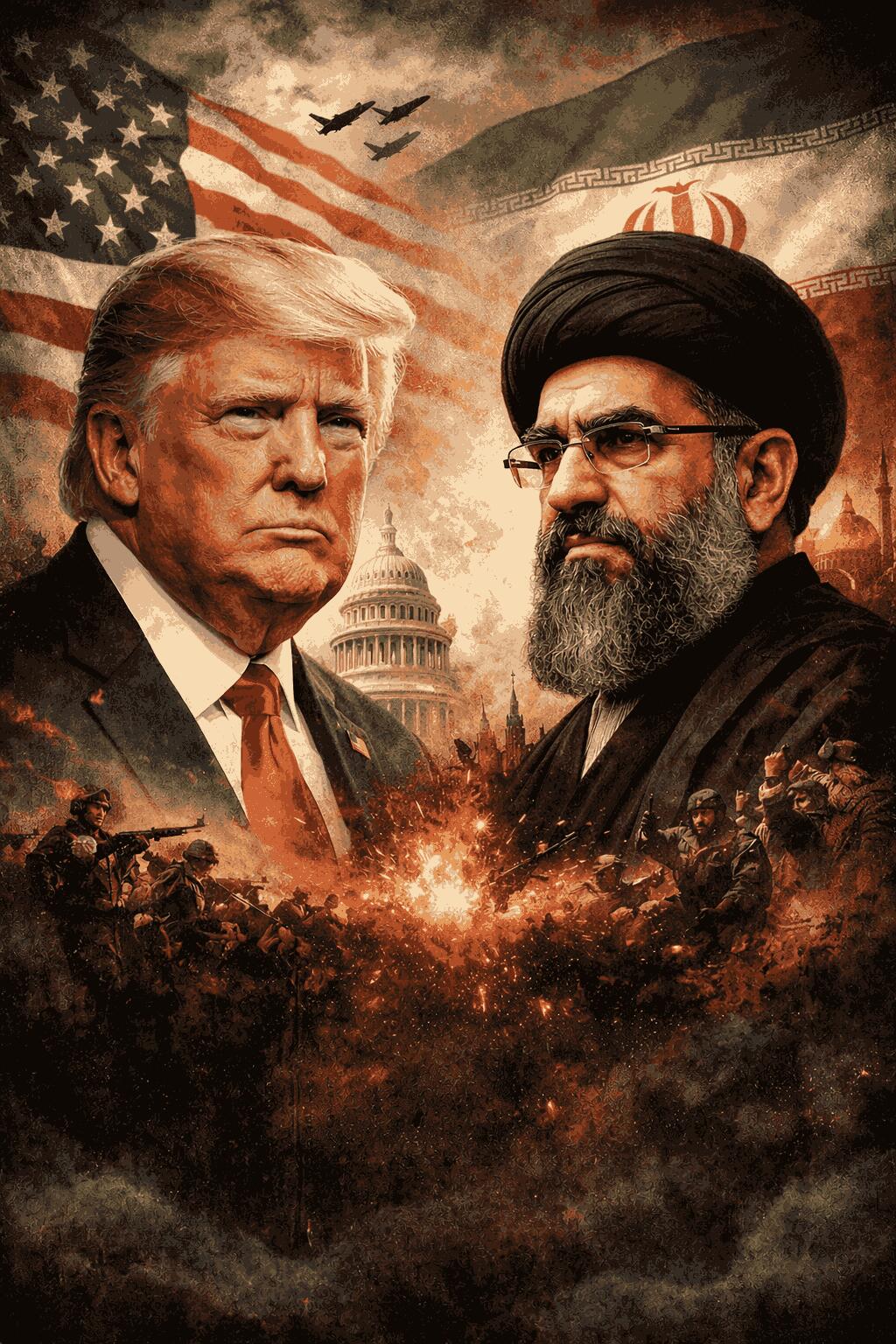
International reaction to the development was swift. U.S. President Donald Trump sharply rejected the leadership choice and reiterated his view that Washington should have a say in Iran’s political transition. Trump reportedly described the selection of Mojtaba Khamenei as “unacceptable,” warning that any Iranian leadership that continues the policies of the previous regime could prolong conflict with the United States.
Trump’s comments reflect the broader geopolitical tension surrounding Iran’s succession crisis. The death of Ayatollah Ali Khamenei occurred amid a wave of U.S.–Israeli military operations targeting Iranian infrastructure and senior officials. In this volatile environment, the appointment of Mojtaba Khamenei is widely interpreted as a signal that Tehran intends to maintain its hardline ideological stance rather than pursue reconciliation with Washington.
Observers note that Mojtaba Khamenei inherits leadership of a nation facing enormous challenges. Iran is dealing with economic pressure, military confrontation, and internal political divisions, all while attempting to maintain the ideological foundations of its Islamic governance system. The new Supreme Leader will now control the country’s armed forces, nuclear policy, and key state institutions, placing him at the center of one of the most consequential political transitions in the Middle East in decades.
At the same time, some analysts believe the appointment of Mojtaba Khamenei reflects the growing influence of Iran’s security establishment. His longstanding relationships with the Revolutionary Guards are expected to strengthen the military’s role in shaping both domestic governance and foreign policy. This dynamic could further harden Iran’s strategic posture at a moment when tensions with the United States and its allies remain extremely high.
Despite criticism from Washington and concerns among international observers, Iranian authorities have framed the succession as a legitimate constitutional process. Officials maintain that the Assembly of Experts alone has the authority to select the country’s Supreme Leader and insist that external pressure will not influence Iran’s internal political decisions.
With Mojtaba Khamenei now formally at the helm, Iran enters a new and uncertain phase. Whether his leadership will consolidate the regime’s authority or intensify geopolitical confrontation remains one of the most closely watched developments in global politics today.