













TFIPOST हिन्दी
TFIPOST Global
Tfipost.com
Tfipost.com
No Result
View All Result
  • Premium
  • Politics
    • All
    • Analysis
    • Opinions
    • Trending
    New address, old controversy as “Sheesh Mahal 2”

    From Flagstaff Road To Lodhi Estate: Kejriwal’s New Bungalow Triggers Fresh “Sheesh Mahal 2” Political Controversy

    The Bengal campaign takes a more aggressive turn.

    “Bengal Under Mafia Grip”: Yogi Adityanath Escalates Attack On TMC, Flags ‘Identity Crisis’ In Rally

    From AAP dissenter to BJP rebel, Swati Maliwal sharpens her attack on Kejriwal

    Did Swati Maliwal Just Puncture AAP’s Politics of Virtue?

    Ahmadis in Pakistan: From Faith to Marginalisation Under Law and Society

    Ahmadis in Pakistan: From Faith to Marginalisation Under Law and Society

    • Analysis
    • Opinions
    • Trending
  • Economy
    • All
    • Business
    • Economy1
    • Finance
    Ahmadis in Pakistan: From Faith to Marginalisation Under Law and Society

    Ahmadis in Pakistan: From Faith to Marginalisation Under Law and Society

    Open Demat Account with Zero Annual Maintenance Charges What to Look For

    Open Demat Account with Zero Annual Maintenance Charges What to Look For

    Blood in the Meadows: How the Pahalgam Terror Attack Exposed Calculated Targeting of Civilians in Kashmir

    Blood in the Meadows: How the Pahalgam Terror Attack Exposed Calculated Targeting of Civilians in Kashmir

    Indian economy is stronger than the ranking.

    IMF Ranking Jolt Misread: India’s Economy Strong, Sixth Spot Just a Statistical Glitch

    • Business
    • Finance
  • Defense
    • All
    • Defence
    • Strategy
    • Weaponry
    The scars of Pahalgam endure, even as the nation moves forward

    Pahalgam Anniversary: Modi Signals Firm National Stand as India Reasserts Anti-Terror Resolve

    Precision Strike: Indian Army Approves Procurement of Indigenous MPATGM to Modernise Infantry Wings

    Precision Strike: Indian Army Approves Procurement of Indigenous MPATGM to Modernise Infantry Wings

    Amit Shah on sensitive Gorkha land issue

    Shah Assures Constitutional Path for Gorkha Issue, Intensifies Attack on TMC at Bengal Rally

    Historic Leap for ‘Aatmanirbhar Bharat’ as First India-Made BrahMos Missiles from Lucknow Join Indian Army

    Historic Leap for ‘Aatmanirbhar Bharat’ as First India-Made BrahMos Missiles from Lucknow Join Indian Army

    • Defence
    • Strategy
    • Weaponry
  • Geopolitics
    • All
    • Africa
    • Americas
    • Asia Pacific
    • Europe
    • South Asia
    • West Asia
    Pakistan Tried to Bury an NYT Report. It Only Exposed Asim Munir’s Panic

    Pakistan Tried to Bury an NYT Report. It Only Exposed Asim Munir’s Panic

    The Strategic Double-Game: Pakistan’s Fatal Gambit in the US-Iran War

    The Strategic Double-Game: Pakistan’s Fatal Gambit in the US-Iran War

    When a repost became a foreign policy problem

    Trump’s India ‘Hellhole’ Insult Triggers Backlash as New Delhi Hits Back, US Scrambles for Damage Control

    PLA Navy Day Spectacle vs South China Sea Reality: How Beijing’s Naval Pageantry Masks Maritime Coercion

    PLA Navy Day Spectacle vs South China Sea Reality: How Beijing’s Naval Pageantry Masks Maritime Coercion

    • Africa
    • Americas
    • Asia Pacific
    • Europe
    • South Asia
    • West Asia
  • Knowledge
    • All
    • Culture
    • Education
    • History
    • Indology
    Chants of ‘Jai Badri Vishal’ Echo as Badrinath Portals Open; All Four Dhams Now Accessible to Pilgrims

    Chants of ‘Jai Badri Vishal’ Echo as Badrinath Portals Open; All Four Dhams Now Accessible to Pilgrims

    Kedarnath Dham Portals Open for Devotees After 181 Days Amid Vedic Chants, Traditional Rituals

    Kedarnath Dham Portals Open for Devotees After 181 Days Amid Vedic Chants, Traditional Rituals

    Sardar Patel and Amit Shah

    Sardar Patel’s 1947 Blueprint on Minority Quotas Resurfaces as Reservation Debate Returns to Centre Stage

    The 1973 Constitution and ‘Bhutto’ the Man Who Made It: What Pakistan Owes and What It Destroyed

    The 1973 Constitution and ‘Bhutto’ the Man Who Made It: What Pakistan Owes and What It Destroyed

    • Culture
    • History
    • Indology
  • Law
  • Lounge
    • All
    • Books
    • Cinema
    • Entertainment
    • Food
    • Games
    • Health
    • Lifestyle
    • Satire
    • Sports
    • technology
    • Travel
    Digital Data Collection In India

    India’s Data Reset Begins: Census 2027 to Become First Fully Digital Population Count

    5 Facilities in Bengaluru Specializing in Mental Health Treatment for Those with Cancer

    5 Facilities in Bengaluru Specializing in Mental Health Treatment for Those with Cancer

    UNESCO World Book Day and Copyright Day

    World Book Day 2026: UNESCO’s Multilingual Push Aligns with India’s Deep Literary Continuum

    Fashion Fusion Accessory Pairings That Modernize Your Look

    Fashion Fusion Accessory Pairings That Modernize Your Look

    • Books
    • Cinema
    • Food
    • Health
    • Sports
    • technology
    • Travel
    • Satire
Tfipost.com
  • Premium
  • Politics
    • All
    • Analysis
    • Opinions
    • Trending
    New address, old controversy as “Sheesh Mahal 2”

    From Flagstaff Road To Lodhi Estate: Kejriwal’s New Bungalow Triggers Fresh “Sheesh Mahal 2” Political Controversy

    The Bengal campaign takes a more aggressive turn.

    “Bengal Under Mafia Grip”: Yogi Adityanath Escalates Attack On TMC, Flags ‘Identity Crisis’ In Rally

    From AAP dissenter to BJP rebel, Swati Maliwal sharpens her attack on Kejriwal

    Did Swati Maliwal Just Puncture AAP’s Politics of Virtue?

    Ahmadis in Pakistan: From Faith to Marginalisation Under Law and Society

    Ahmadis in Pakistan: From Faith to Marginalisation Under Law and Society

    • Analysis
    • Opinions
    • Trending
  • Economy
    • All
    • Business
    • Economy1
    • Finance
    Ahmadis in Pakistan: From Faith to Marginalisation Under Law and Society

    Ahmadis in Pakistan: From Faith to Marginalisation Under Law and Society

    Open Demat Account with Zero Annual Maintenance Charges What to Look For

    Open Demat Account with Zero Annual Maintenance Charges What to Look For

    Blood in the Meadows: How the Pahalgam Terror Attack Exposed Calculated Targeting of Civilians in Kashmir

    Blood in the Meadows: How the Pahalgam Terror Attack Exposed Calculated Targeting of Civilians in Kashmir

    Indian economy is stronger than the ranking.

    IMF Ranking Jolt Misread: India’s Economy Strong, Sixth Spot Just a Statistical Glitch

    • Business
    • Finance
  • Defense
    • All
    • Defence
    • Strategy
    • Weaponry
    The scars of Pahalgam endure, even as the nation moves forward

    Pahalgam Anniversary: Modi Signals Firm National Stand as India Reasserts Anti-Terror Resolve

    Precision Strike: Indian Army Approves Procurement of Indigenous MPATGM to Modernise Infantry Wings

    Precision Strike: Indian Army Approves Procurement of Indigenous MPATGM to Modernise Infantry Wings

    Amit Shah on sensitive Gorkha land issue

    Shah Assures Constitutional Path for Gorkha Issue, Intensifies Attack on TMC at Bengal Rally

    Historic Leap for ‘Aatmanirbhar Bharat’ as First India-Made BrahMos Missiles from Lucknow Join Indian Army

    Historic Leap for ‘Aatmanirbhar Bharat’ as First India-Made BrahMos Missiles from Lucknow Join Indian Army

    • Defence
    • Strategy
    • Weaponry
  • Geopolitics
    • All
    • Africa
    • Americas
    • Asia Pacific
    • Europe
    • South Asia
    • West Asia
    Pakistan Tried to Bury an NYT Report. It Only Exposed Asim Munir’s Panic

    Pakistan Tried to Bury an NYT Report. It Only Exposed Asim Munir’s Panic

    The Strategic Double-Game: Pakistan’s Fatal Gambit in the US-Iran War

    The Strategic Double-Game: Pakistan’s Fatal Gambit in the US-Iran War

    When a repost became a foreign policy problem

    Trump’s India ‘Hellhole’ Insult Triggers Backlash as New Delhi Hits Back, US Scrambles for Damage Control

    PLA Navy Day Spectacle vs South China Sea Reality: How Beijing’s Naval Pageantry Masks Maritime Coercion

    PLA Navy Day Spectacle vs South China Sea Reality: How Beijing’s Naval Pageantry Masks Maritime Coercion

    • Africa
    • Americas
    • Asia Pacific
    • Europe
    • South Asia
    • West Asia
  • Knowledge
    • All
    • Culture
    • Education
    • History
    • Indology
    Chants of ‘Jai Badri Vishal’ Echo as Badrinath Portals Open; All Four Dhams Now Accessible to Pilgrims

    Chants of ‘Jai Badri Vishal’ Echo as Badrinath Portals Open; All Four Dhams Now Accessible to Pilgrims

    Kedarnath Dham Portals Open for Devotees After 181 Days Amid Vedic Chants, Traditional Rituals

    Kedarnath Dham Portals Open for Devotees After 181 Days Amid Vedic Chants, Traditional Rituals

    Sardar Patel and Amit Shah

    Sardar Patel’s 1947 Blueprint on Minority Quotas Resurfaces as Reservation Debate Returns to Centre Stage

    The 1973 Constitution and ‘Bhutto’ the Man Who Made It: What Pakistan Owes and What It Destroyed

    The 1973 Constitution and ‘Bhutto’ the Man Who Made It: What Pakistan Owes and What It Destroyed

    • Culture
    • History
    • Indology
  • Law
  • Lounge
    • All
    • Books
    • Cinema
    • Entertainment
    • Food
    • Games
    • Health
    • Lifestyle
    • Satire
    • Sports
    • technology
    • Travel
    Digital Data Collection In India

    India’s Data Reset Begins: Census 2027 to Become First Fully Digital Population Count

    5 Facilities in Bengaluru Specializing in Mental Health Treatment for Those with Cancer

    5 Facilities in Bengaluru Specializing in Mental Health Treatment for Those with Cancer

    UNESCO World Book Day and Copyright Day

    World Book Day 2026: UNESCO’s Multilingual Push Aligns with India’s Deep Literary Continuum

    Fashion Fusion Accessory Pairings That Modernize Your Look

    Fashion Fusion Accessory Pairings That Modernize Your Look

    • Books
    • Cinema
    • Food
    • Health
    • Sports
    • technology
    • Travel
    • Satire
No Result
View All Result
Tfipost.com
Tfipost.com
No Result
View All Result
  • Premium
  • Politics
  • Economy
  • Defense
  • Geopolitics
  • Knowledge
  • Law
  • Lounge

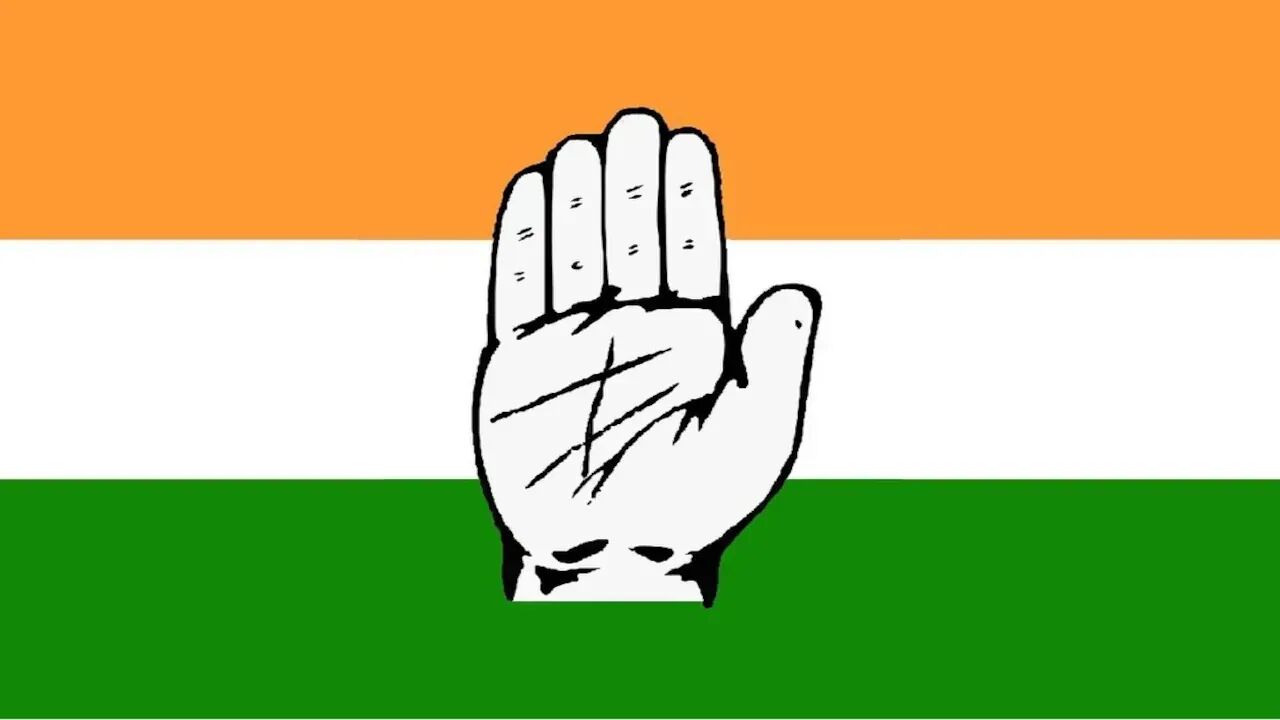
Congress’s Pakistan Syndrome: How Appeasement and Denial Threaten India’s Strength

Terrified of losing its Muslim vote-base, Congress avoids any decisive action against Pakistan and instead prioritises appeasement over India’s security and national interests

Raisa Raje Malla by Raisa Raje Malla
1 December 2025
in Analysis, Politics
Congress’s Pakistan Syndrome: How Appeasement and Denial Threaten India’s Strength

Congress’s Pakistan Syndrome: How Appeasement and Denial Threaten India’s Strength

Share on FacebookShare on X

Congress’s “Pakistan Syndrome” goes far beyond sympathy for Pakistan. It is a deliberate imitation of Pakistan’s formula for self-destruction. Terrified of losing its Muslim vote-base, Congress avoids any decisive action against Pakistan and instead prioritises appeasement over India’s security and national interests.

This fear has hardened into a political culture identical to Pakistan’s–constant blame-shifting, denial of failures, manufactured lies, baseless accusations, and deception as a survival strategy.

RelatedPosts

Ahmadis in Pakistan: From Faith to Marginalisation Under Law and Society

Pakistan Tried to Bury an NYT Report. It Only Exposed Asim Munir’s Panic

The Strategic Double-Game: Pakistan’s Fatal Gambit in the US-Iran War

Load More

The outcome is dangerous — Congress weakens India’s unity, democratic integrity, and national will, while marching down the same path of decay that has ruined Pakistan.

In the tumultuous history of South Asia, Pakistan has often been criticised by its own citizens, by external observers, by dissidents for a certain signature of institutional decay, which is a mix of external blame, internal denial, dependency, moral-posturing and soft diplomacy that substitutes for real reform.

Over decades, that political culture weakened civilian institutions, eroded public trust, and left governance fragile. It is a matter of growing concern that parts of that same culture, once alien to Indian democratic politics now appear to be creeping into the political behavior of Congress.

This is not to equate the two at state-level or suggest identity equivalence but to warn that the strategic mindset and institutional failures in both cases show disturbing structural similarities.

That parallelism helps explain why many perceive Congress today as having adopted a “Pakistan-friendly rhetoric” as part of its survival strategy.

Blame, Denial and Dependency: The Default Reaction to Failure

For decades, Pakistan’s political-military establishment responded to crises economic downturns, governance failures, terrorism allegations with a familiar playbook to externalise blame, claim victimhood, cry conspiracy, deny internal faults, and depend on foreign aid or borrowed legitimacy rather than internal reform.

Critics say Congress now mirrors these tactics–after electoral drubbings, governance lapses, or public discontent, the chosen response often is to blame others, the media, institutions, ruling party conspiracies, “polarisation,” or external interference .

Instead of introspecting over internal flaws like weak leadership, organisational collapse, or ideological drift, what follows is not reform or recalibration, but coalition-building, absorbing defectors, and riding the old brand legacy.

When a political force relies more on “borrowed” legitimacy than earned public trust, it loses the capacity for genuine self-correction. That, more than simple incompetence, is what transforms decline into disintegration.

Soft Diplomacy and “Appeasement”: Treaties, Water, and Strategic Naiveté

Between India and Pakistan, the Indus Waters Treaty (IWT) — signed in 1960 — long symbolised a hope for peaceful coexistence and cooperation. Under it, India agreed to give Pakistan control over the western rivers (Indus, Chenab, Jhelum) while retaining unrestricted use of the eastern rivers (Ravi, Beas, Sutlej).

But that treaty, critics argue, was less an equitable water-sharing agreement than a strategic concession–giving Pakistan access to water vital for 80% of its agriculture. Over decades, even as Pakistan repeatedly indulged in cross-border terror and aggression, the water flows continued — as a gesture of goodwill, idealism and “peace-first” diplomacy.

This legacy of soft diplomacy and strategic generosity is often cited as the hallmark of “appeasement politics” — where national interest is compromised for moral diplomacy, even in the face of repeated provocations.

When confronted with hostile acts, Pakistan’s establishment routinely used denial, moral-posturing, victim-narrative and soft rhetoric instead of robust accountability. That steady denialism masked systemic failures, while external borrowing (economic aid or alliances) kept the regime afloat.

Some critics now argue that Congress, with its past endorsements of IWT and its continuance under times of hostility reflects a version of the same “strategic naiveté.”

More troublingly, where national outrage demanded unambiguous condemnation of terror or aggressive diplomatic isolation, Congress often adopted a cautious, sometimes apologetic, posture and questioned responses rather than unequivocally denouncing terror; and defended soft-spoken statements as “personal opinions” or cultural empathy.

In doing so, it inadvertently echoes the same strategic complacency and moral high-ground diplomacy that has kept Pakistan’s establishment afloat — even as it undermined its own moral and strategic standing.

Institutional Erosion: From Organisational Strength to Alliance-Driven Survival

Pakistan’s political parties, once robust and grassroots-rooted, over decades degenerated into fragmented entities — dependent on the military, foreign support, unstable coalitions, or external loans. Political legitimacy shifted from public mandate to strategic survival. The result: unrepresentative governance, weak institutions, repeated crises.

Congress too — once a mass-based party with credible leadership and ideological coherence — appears to have lost those strengths. Its organisational base has weakened; its cadre-level presence in many states is dwindling.

Electoral successes (when they come) increasingly depend on alliances with regional parties, defectors from other parties, and legacy identification (the “brand” of Congress or its past glories), rather than fresh mass mobilisation or ideological clarity.

Internal dissent finds little space; leadership remains centralised; ideological compass appears fuzzy. When a party’s survival depends more on outside alliances than on internal strength, it bears a suspicious resemblance to decayed political structures — not of robust democratic opposition, but of unstable, alliance-based, survival-oriented coalitions.

Moral Posturing, Victimhood Narratives, and Political Opportunism

Perhaps the most dangerous resemblance lies in the shift from accountability to moral posturing, from governance to rhetoric; from action to victimhood; from defence of national interest to identity-based politics.

Pakistan’s decades-old pattern, whenever internal failures accumulated — corruption, economic collapse, human rights abuses — the response was not reform but louder nationalism, victim-narratives (“we are persecuted by the world”), and blind denial.

Domestic dissent was branded with labels — traitor, foreign agent, extremist — and the state consolidated power under the guise of protecting nationalism.

In the case of Congress today, critics allege a comparable shift: when electoral defeats come, or when public outrage rises over policy failures, the reaction often is not introspection but moralistic posturing — “democracy under threat,” “secularism under siege,” “attack on minorities,” “polarisation,” rather than presenting coherent reforms or alternative governance agenda. Allegations are raised broadly, often without transparent evidence, and retreat is swift when counter-evidence is demanded.

Such tactics — emotional mobilisation over rational debate sustain short-term political survival, but hollow out democratic accountability. The party may survive electorally, but its moral authority and capacity to act as a responsible opposition evaporate.

Consequences for India — Why This Parallel Should Worry Us

What happened to Pakistan, institutional decay, erosion of democratic culture, repeated governance crises, economic collapse, radicalization, strategic vulnerability did not happen overnight. It was the result of decades of structural neglect, denial, and a culture that rewarded rhetoric over responsibility.

If Congress continues on a similar path, alliance-dependency, blame-shifting, soft diplomacy, rhetorical victimhood. India risks seeing parts of that decline mirrored here: weakened political alternatives, eroded public trust, polarised identity-based politics, fragile democratic institutions, and strategic naivety in foreign policy.

At a time when India faces serious threats — cross-border terrorism, water security concerns, strategic competition, regional instability — what the nation needs is not empty rhetorical posturing, but clarity, resolve, internal strength, consistent national interest.

A political party that is unwilling to reform itself, that treats public mandate as a borrowed asset, that prefers alliances and sympathy over accountability and structure, becomes a liability — not an alternative.

A Mirror, Not a Copy — But a Warning

It is simplistic — and historically naive — to equate Congress with Pakistan’s establishment. The scale, context, and stakes differ vastly. Yet structural parallels in political culture, strategic complacency, alliance-driven survival, and rhetoric over substance should set alarm bells ringing.

Congress’s collapse will hardly matter to India. Born under British guidance to neutralize India’s armed revolutionary movements, the party convinced Indians to beg for freedom while the real force behind 1947 was the naval, military and air-force revolt — a reality Congress hijacked to claim credit and seize power.

That power soon degenerated into dynastic entitlement, institutional decay, and a political culture now indistinguishable from Pakistan’s strategy of manipulation, blame-shifting, lies and propaganda-driven survival.

India’s rise does not depend on Congress — and never did. India will continue to grow in strength, prosperity and global stature long after Congress fades away. History will also remember its Emergency excesses, misuse of state power, constitutional distortions, and divisive politics — especially its vote-bank appeasement that repeatedly undermined national cohesion.

For India to achieve its full civilizational resurgence, Congress must accept irrelevance — and pass into political oblivion.


Tags: CongressdiplomacyMilitaryMuslimnational SecurityPakistanTerrorism
ShareTweetSend
Previous Post

Cuba 1962 vs Ukraine 2022 : Hypocrisy, Narrative Warfare and Collapse of Fake “Rules-Based Order”

Next Post

How Can Nivedita Menon, a Professor with Treasonous, Secessionist Views Be Celebrated?

Related Posts

New address, old controversy as “Sheesh Mahal 2”
Politics

From Flagstaff Road To Lodhi Estate: Kejriwal’s New Bungalow Triggers Fresh “Sheesh Mahal 2” Political Controversy

25 April 2026

Arvind Kejriwal’s relocation to a government bungalow at 95 Lodhi Estate has brought a fresh political stir in Delhi....

The Bengal campaign takes a more aggressive turn.
Politics

“Bengal Under Mafia Grip”: Yogi Adityanath Escalates Attack On TMC, Flags ‘Identity Crisis’ In Rally

25 April 2026

West Bengal’s election contest sharpened as Uttar Pradesh Chief Minister Yogi Adityanath addressed a high-energy rally in Nadia district....

From AAP dissenter to BJP rebel, Swati Maliwal sharpens her attack on Kejriwal
Politics

Did Swati Maliwal Just Puncture AAP’s Politics of Virtue?

25 April 2026

The Aam Aadmi Party’s internal crisis deepened when Rajya Sabha MP Swati Maliwal, now with the Bhartiya Janta Party,...

Load More

Leave a Reply Cancel reply

Your email address will not be published. Required fields are marked *

I agree to the Terms of use and Privacy Policy.
This site is protected by reCAPTCHA and the Google Privacy Policy and Terms of Service apply.

Currently Playing

From Runways to Warships: India’s Firefighting Warrior Built for Bases & Battles| IAF | VayuShakti

From Runways to Warships: India’s Firefighting Warrior Built for Bases & Battles| IAF | VayuShakti

00:05:40

Ethanol, EVs and Solar- How India’s Energy Game Is Changing | Modi on LPG & Crude Oil | war| Hormuz

00:05:21

Truth of IRIS Dena: 8 Days That Changed Narrative | War zone Reality, Not an Indian Navy Exercise

00:08:02

300 Million Euros for SCALP: Strategic Necessity or Costly Dependency on France300

00:04:06

Tejas Mk1A: 19th aircraft coupled but Not Delivered: What Is Holding Back the IAF Induction?

00:07:21
Facebook Twitter Instagram Youtube
tfipostTfipost.com
Right Wing | News Analysis | Indian Opinion
  • About us
  • Contact Us
  • Careers
  • Brand Partnerships
  • Terms of use
  • Privacy Policy
  • Sitemap

©2026 TFI Media Private Limited

No Result
View All Result
  • Premium
  • Politics
    • Analysis
    • Opinions
    • Trending
  • Economy
    • Business
    • Finance
  • Defense
    • Defence
    • Strategy
    • Weaponry
  • Geopolitics
    • Africa
    • Americas
    • Asia Pacific
    • Europe
    • South Asia
    • West Asia
  • Knowledge
    • Culture
    • History
    • Indology
  • Law
  • Lounge
    • Books
    • Cinema
    • Food
    • Health
    • Sports
    • technology
    • Travel
    • Satire
TFIPOST हिन्दी
TFIPOST Global

©2026 TFI Media Private Limited