


















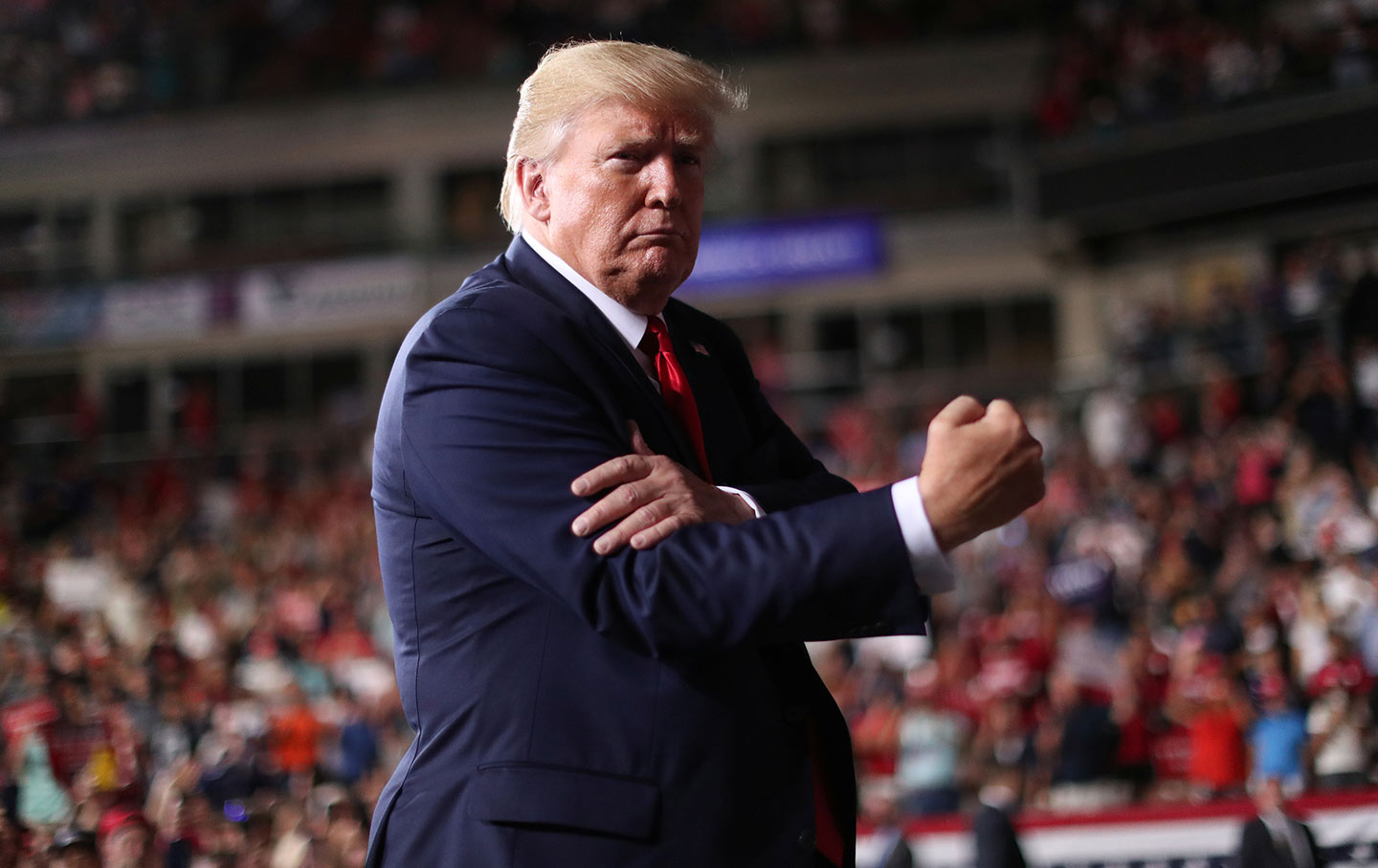
In a surprising on-camera moment, US President Donald Trump appeared visibly taken aback after being questioned about India’s pointed response to his criticism over New Delhi’s continued purchase of Russian oil. During a press briefing, when asked about India’s allegations of American hypocrisy particularly the US continuing to import Russian uranium and chemical fertilizers while criticizing India’s energy imports from Moscow Trump deflected, stating, “I don’t know anything about it. I have to check… But we will get back to you on this”. This moment captured Trump in unfamiliar territory: on the defensive.
India Responds Swiftly to Tariff Threats
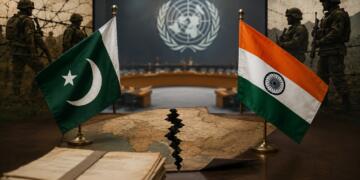
The backdrop of this exchange is an escalating India-US trade row, triggered by Trump’s threat to substantially raise tariffs on Indian goods in retaliation for New Delhi’s ties with Russia. In a social media post, Trump accused India of purchasing “massive amounts” of Russian oil and reselling it on the open market for profit, while ignoring the human toll of the ongoing Ukraine conflict.
“Because of this, I will be substantially raising the Tariff paid by India to the USA,” he posted on his platform, Truth Social. Trump’s remarks were widely perceived as a political move targeting India’s foreign policy decisions that have prioritized energy security and strategic autonomy.
New Delhi’s response was sharp and factual. The Ministry of External Affairs (MEA) released a detailed statement, rejecting the criticism and labeling the proposed tariffs “unjustified and unreasonable.” The Indian government emphasized its sovereign right to determine its own energy and trade relationships based on national interests.
India Calls Out Western Double Standards
India’s rebuttal focused on exposing what it described as the double standards of the US and European Union. The MEA pointed out that the US continues to import Russian uranium for its nuclear industry and buys chemical fertilizers from Moscow. It further noted that the EU had conducted trade with Russia worth over €67.5 billion in goods and €17.2 billion in services in the last year alone significantly more than India’s trade with Russia.
This clear-eyed comparison highlighted the continued economic interdependence between the West and Russia, despite the widespread rhetoric condemning Moscow’s military actions in Ukraine. India also reiterated its commitment to defending national sovereignty, economic interests, and energy security.
Trump’s Claims Met With Backlash
Trump’s assertion that India is profiting off reselling Russian oil has not only drawn criticism from Indian officials but has also invited scrutiny from foreign policy observers. Experts noted that India’s purchase of Russian crude is in line with its national energy strategy, and similar deals have been made by several US allies.
In fact, India has often maintained that its relationship with Russia is based on long-standing defense, energy, and diplomatic cooperation, and that decisions in these sectors are guided by pragmatic national interests.
Trump’s remarks may have struck a chord with his domestic political base, but they did little to change the reality of global trade patterns. On the contrary, the comments have only served to draw attention to the inconsistencies in US foreign policy and exposed the narrow view from which Trump interprets international relations.
A Moment That Backfired
Trump’s attempt to strong-arm India through tariff threats has inadvertently opened up a wider debate about American and Western hypocrisy in dealing with Russia. India’s calculated and confident response has not only deflected the criticism but has also turned the spotlight onto the US itself.
Caught unprepared, Trump’s reaction underscored a lack of understanding of the nuances of India’s foreign policy. With India standing firm and exposing the gaps in Washington’s rhetoric, the entire episode may well become a case study in how not to conduct international diplomacy.