



















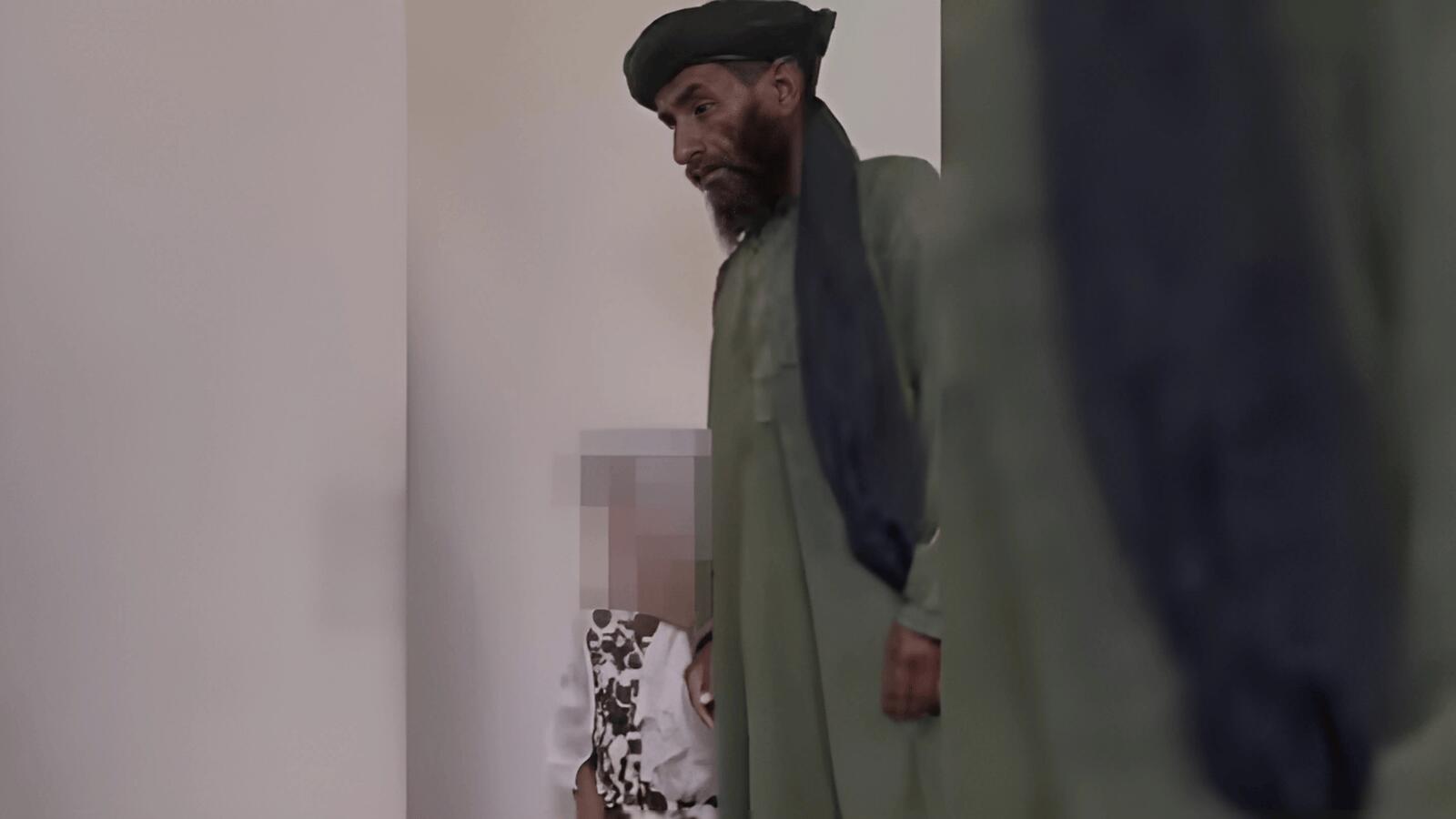
In a heartbreaking incident from Helmand province, Afghanistan, a six-year-old girl was forced into marriage with a man nearly eight times her age. The 45-year-old groom, who already has two wives, reportedly paid the child’s father for her hand in marriage — a tragic example of how poverty continues to drive families to desperate and harmful decisions.
After photos of the ceremony began circulating online, sparking outrage, Taliban authorities stepped in, not to cancel the marriage, but to delay it. They reportedly instructed the man that he could not take the girl home until she turns nine.
Little Protection for the Vulnerable
While both the groom and the girl’s father were briefly detained, no criminal charges were filed. Under Taliban rule, Afghanistan currently has no enforced legal minimum age for marriage, leaving young girls with virtually no protection.
Before the Taliban’s return to power in 2021, Afghan law set the minimum marriage age at 16 for girls. But with the legal system now heavily influenced by strict interpretations of Islamic law, that safeguard has all but disappeared.
Poverty and Patriarchy Collide
Child marriage in Afghanistan is rising sharply, fueled by economic collapse, ongoing conflict, and the erasure of women’s rights. With over half the population living in poverty, many families — especially in rural areas — feel they have no choice but to “sell” their daughters into marriage in exchange for a bride price.
Girls are often married off before puberty, forced to leave school, and made to raise children while they are still children themselves. According to the UN, child marriage in Afghanistan has increased by at least 25%, and teenage pregnancies — many among very young girls — have surged by 45% since 2021.
Women Under Taliban Rule
Since the Taliban took control of Afghanistan in 2021, life for women and girls has drastically changed and not for the better. Most girls are no longer allowed to attend school beyond the sixth grade, and women have been pushed out of nearly every public role. Jobs in government, media, and aid work have become off-limits, and even simple freedoms like walking alone, visiting parks, or dressing as they choose have been stripped away. It’s not just about rules it’s about erasure. In many parts of the country, women have vanished from classrooms, offices, and community life, forced to stay behind closed doors with little hope of returning.
The emotional toll of this isolation is immense. With the economy in collapse, many families are struggling to survive, and young girls are increasingly being forced into marriage just to reduce the financial burden. There are no reliable systems in place to protect them the legal pathways that once defended women’s rights have been dismantled or ignored. For those who dare to speak out, the risks are high: threats, arrests, and even disappearance. For millions of Afghan women, the future feels not just uncertain — but deliberately shut off. Their hopes, talents, and potential are being silenced, not by chance, but by design.