


















TFIPOST हिन्दी
TFIPOST Global
Tfipost.com
Tfipost.com
No Result
View All Result
  • Premium
  • Politics
    • All
    • Analysis
    • Opinions
    • Trending
    From the Indo-Pacific to the Mediterranean: Modi–Meloni Chart a New Strategic Axis for a Multipolar Future

    From the Indo-Pacific to the Mediterranean: Modi–Meloni Chart a New Strategic Axis for a Multipolar Future

    Mamata-Era OBC Expansion Under Lens as Bengal Cuts Quota to 7%, Restores 66-Caste List Amid Political Scrutiny

    Mamata-Era OBC Expansion Under Lens as Bengal Cuts Quota to 7%, Restores 66-Caste List Amid Political Scrutiny

    Did Sanjay Raut Cross the Line With His ‘Jai Shri Ram’ Fuel Price Remark?

    Did Sanjay Raut Cross the Line With His ‘Jai Shri Ram’ Fuel Price Remark?

    Bengal Buries Mamata’s ‘Appeasement Model’ as Suvendu Govt Ends Imam-Muezzin Allowances

    Bengal Buries Mamata’s ‘Appeasement Model’ as Suvendu Govt Ends Imam-Muezzin Allowances

    • Analysis
    • Opinions
    • Trending
  • Economy
    • All
    • Business
    • Economy1
    • Finance
    Is a Rs. 25 Lakh Home Loan still affordable in 2026? Real EMI scenarios for budget-conscious buyers

    Is a Rs. 25 Lakh Home Loan still affordable in 2026? Real EMI scenarios for budget-conscious buyers

    The Simple Indian Bedroom Design Secret Nobody Talks About

    The Simple Indian Bedroom Design Secret Nobody Talks About

    Is Gold Losing Its Safe-Haven Status Amid Iran Tensions, Oil Shock and Global Inflation Fears?

    Is Gold Losing Its Safe-Haven Status Amid Iran Tensions, Oil Shock and Global Inflation Fears?

    As Global Trade Falters Under Crisis, India’s ‘Plan-B’ Strategy Begins Paying Off

    As Global Trade Falters Under Crisis, India’s ‘Plan-B’ Strategy Begins Paying Off

    • Business
    • Finance
  • Defense
    • All
    • Defence
    • Strategy
    • Weaponry
    How Strong Are India and Pakistan’s Nuclear Capabilities, and How Different Are Their Nuclear Doctrines?

    How Strong Are India and Pakistan’s Nuclear Capabilities, and How Different Are Their Nuclear Doctrines?

    “Choose Your Fate: Army Chief Draws a Hard Line Between Geography and History for Pakistan”

    “Choose Your Fate: Army Chief Draws a Hard Line Between Geography and History for Pakistan”

    BSF HQ Blast Probe Deepens as Two Key Arrests Unravel Cross-Border Module Behind Jalandhar IED Attack

    BSF HQ Blast Probe Deepens as Two Key Arrests Unravel Cross-Border Module Behind Jalandhar IED Attack

    UP ATS Uncovers Pakistan-Linked Reconnaissance Network After Surveillance of RSS Offices and Police Stations

    UP ATS Uncovers Pakistan-Linked Reconnaissance Network After Surveillance of RSS Offices and Police Stations

    • Defence
    • Strategy
    • Weaponry
  • Geopolitics
    • All
    • Africa
    • Americas
    • Asia Pacific
    • Europe
    • South Asia
    • West Asia
    Norway Cartoon Row Sparks Outrage as ‘Snake Charmer’ Depiction of PM Modi Revives Colonial-Era Stereotypes

    Norway Cartoon Row Sparks Outrage as ‘Snake Charmer’ Depiction of PM Modi Revives Colonial-Era Stereotypes

    From the Indo-Pacific to the Mediterranean: Modi–Meloni Chart a New Strategic Axis for a Multipolar Future

    From the Indo-Pacific to the Mediterranean: Modi–Meloni Chart a New Strategic Axis for a Multipolar Future

    Inverted Indian Flag, Turban Image on Kaohsiung Billboard Sparks Racism Row in Taiwan

    Inverted Indian Flag, Turban Image on Kaohsiung Billboard Sparks Racism Row in Taiwan

    Why Has India Decided Not to Give Up on Russian Oil Despite Expiry of US Waivers?

    Why Has India Decided Not to Give Up on Russian Oil Despite Expiry of US Waivers?

    • Africa
    • Americas
    • Asia Pacific
    • Europe
    • South Asia
    • West Asia
  • Knowledge
    • All
    • Culture
    • Education
    • History
    • Indology
    Bhojshala: The Emerging Truth Between History, Faith and Evidence

    Bhojshala: The Emerging Truth Between History, Faith and Evidence

    Swiss International University SIU is ranked #3 in German-Speaking Countries by the QS World University Rankings: Executive MBA Rankings 2026

    Swiss International University SIU is ranked #3 in German-Speaking Countries by the QS World University Rankings: Executive MBA Rankings 2026

    Hope Cooke: How an American lady almost snatched our Sikkim from us

    Hope Cooke: How an American lady almost snatched our Sikkim from us

    Bhojshala

    Bhojshala: The Untold Story of History, Conflict, and the ‘Victorious Mindset’

    • Culture
    • History
    • Indology
  • Law
  • Lounge
    • All
    • Books
    • Cinema
    • Entertainment
    • Food
    • Games
    • Health
    • Lifestyle
    • Satire
    • Sports
    • technology
    • Travel
    How Do You Travel Lite Without Missing Anything Important?

    How Do You Travel Lite Without Missing Anything Important?

    The Most Popular Themes for Slot Games

    The Most Popular Themes for Slot Games

    Bharat Forge Cracks Embraer’s Elite Aerospace Network in Major Win for India’s Manufacturing Rise

    Bharat Forge Cracks Embraer’s Elite Aerospace Network in Major Win for India’s Manufacturing Rise

    Why Smarter Expense Management Is a Business Essential

    Why Smarter Expense Management Is a Business Essential

    • Books
    • Cinema
    • Food
    • Health
    • Sports
    • technology
    • Travel
    • Satire
Tfipost.com
  • Premium
  • Politics
    • All
    • Analysis
    • Opinions
    • Trending
    From the Indo-Pacific to the Mediterranean: Modi–Meloni Chart a New Strategic Axis for a Multipolar Future

    From the Indo-Pacific to the Mediterranean: Modi–Meloni Chart a New Strategic Axis for a Multipolar Future

    Mamata-Era OBC Expansion Under Lens as Bengal Cuts Quota to 7%, Restores 66-Caste List Amid Political Scrutiny

    Mamata-Era OBC Expansion Under Lens as Bengal Cuts Quota to 7%, Restores 66-Caste List Amid Political Scrutiny

    Did Sanjay Raut Cross the Line With His ‘Jai Shri Ram’ Fuel Price Remark?

    Did Sanjay Raut Cross the Line With His ‘Jai Shri Ram’ Fuel Price Remark?

    Bengal Buries Mamata’s ‘Appeasement Model’ as Suvendu Govt Ends Imam-Muezzin Allowances

    Bengal Buries Mamata’s ‘Appeasement Model’ as Suvendu Govt Ends Imam-Muezzin Allowances

    • Analysis
    • Opinions
    • Trending
  • Economy
    • All
    • Business
    • Economy1
    • Finance
    Is a Rs. 25 Lakh Home Loan still affordable in 2026? Real EMI scenarios for budget-conscious buyers

    Is a Rs. 25 Lakh Home Loan still affordable in 2026? Real EMI scenarios for budget-conscious buyers

    The Simple Indian Bedroom Design Secret Nobody Talks About

    The Simple Indian Bedroom Design Secret Nobody Talks About

    Is Gold Losing Its Safe-Haven Status Amid Iran Tensions, Oil Shock and Global Inflation Fears?

    Is Gold Losing Its Safe-Haven Status Amid Iran Tensions, Oil Shock and Global Inflation Fears?

    As Global Trade Falters Under Crisis, India’s ‘Plan-B’ Strategy Begins Paying Off

    As Global Trade Falters Under Crisis, India’s ‘Plan-B’ Strategy Begins Paying Off

    • Business
    • Finance
  • Defense
    • All
    • Defence
    • Strategy
    • Weaponry
    How Strong Are India and Pakistan’s Nuclear Capabilities, and How Different Are Their Nuclear Doctrines?

    How Strong Are India and Pakistan’s Nuclear Capabilities, and How Different Are Their Nuclear Doctrines?

    “Choose Your Fate: Army Chief Draws a Hard Line Between Geography and History for Pakistan”

    “Choose Your Fate: Army Chief Draws a Hard Line Between Geography and History for Pakistan”

    BSF HQ Blast Probe Deepens as Two Key Arrests Unravel Cross-Border Module Behind Jalandhar IED Attack

    BSF HQ Blast Probe Deepens as Two Key Arrests Unravel Cross-Border Module Behind Jalandhar IED Attack

    UP ATS Uncovers Pakistan-Linked Reconnaissance Network After Surveillance of RSS Offices and Police Stations

    UP ATS Uncovers Pakistan-Linked Reconnaissance Network After Surveillance of RSS Offices and Police Stations

    • Defence
    • Strategy
    • Weaponry
  • Geopolitics
    • All
    • Africa
    • Americas
    • Asia Pacific
    • Europe
    • South Asia
    • West Asia
    Norway Cartoon Row Sparks Outrage as ‘Snake Charmer’ Depiction of PM Modi Revives Colonial-Era Stereotypes

    Norway Cartoon Row Sparks Outrage as ‘Snake Charmer’ Depiction of PM Modi Revives Colonial-Era Stereotypes

    From the Indo-Pacific to the Mediterranean: Modi–Meloni Chart a New Strategic Axis for a Multipolar Future

    From the Indo-Pacific to the Mediterranean: Modi–Meloni Chart a New Strategic Axis for a Multipolar Future

    Inverted Indian Flag, Turban Image on Kaohsiung Billboard Sparks Racism Row in Taiwan

    Inverted Indian Flag, Turban Image on Kaohsiung Billboard Sparks Racism Row in Taiwan

    Why Has India Decided Not to Give Up on Russian Oil Despite Expiry of US Waivers?

    Why Has India Decided Not to Give Up on Russian Oil Despite Expiry of US Waivers?

    • Africa
    • Americas
    • Asia Pacific
    • Europe
    • South Asia
    • West Asia
  • Knowledge
    • All
    • Culture
    • Education
    • History
    • Indology
    Bhojshala: The Emerging Truth Between History, Faith and Evidence

    Bhojshala: The Emerging Truth Between History, Faith and Evidence

    Swiss International University SIU is ranked #3 in German-Speaking Countries by the QS World University Rankings: Executive MBA Rankings 2026

    Swiss International University SIU is ranked #3 in German-Speaking Countries by the QS World University Rankings: Executive MBA Rankings 2026

    Hope Cooke: How an American lady almost snatched our Sikkim from us

    Hope Cooke: How an American lady almost snatched our Sikkim from us

    Bhojshala

    Bhojshala: The Untold Story of History, Conflict, and the ‘Victorious Mindset’

    • Culture
    • History
    • Indology
  • Law
  • Lounge
    • All
    • Books
    • Cinema
    • Entertainment
    • Food
    • Games
    • Health
    • Lifestyle
    • Satire
    • Sports
    • technology
    • Travel
    How Do You Travel Lite Without Missing Anything Important?

    How Do You Travel Lite Without Missing Anything Important?

    The Most Popular Themes for Slot Games

    The Most Popular Themes for Slot Games

    Bharat Forge Cracks Embraer’s Elite Aerospace Network in Major Win for India’s Manufacturing Rise

    Bharat Forge Cracks Embraer’s Elite Aerospace Network in Major Win for India’s Manufacturing Rise

    Why Smarter Expense Management Is a Business Essential

    Why Smarter Expense Management Is a Business Essential

    • Books
    • Cinema
    • Food
    • Health
    • Sports
    • technology
    • Travel
    • Satire
No Result
View All Result
Tfipost.com
Tfipost.com
No Result
View All Result
  • Premium
  • Politics
  • Economy
  • Defense
  • Geopolitics
  • Knowledge
  • Law
  • Lounge

Why Homeopathy, a Glorified “Placebo Science”, defeated Time-Tested Ayurveda

Animesh Pandey by Animesh Pandey
11 August 2023
in Knowledge
Why Homeopathy, a Glorified “Placebo Science”, defeated Time-Tested Ayurveda
Share on FacebookShare on X

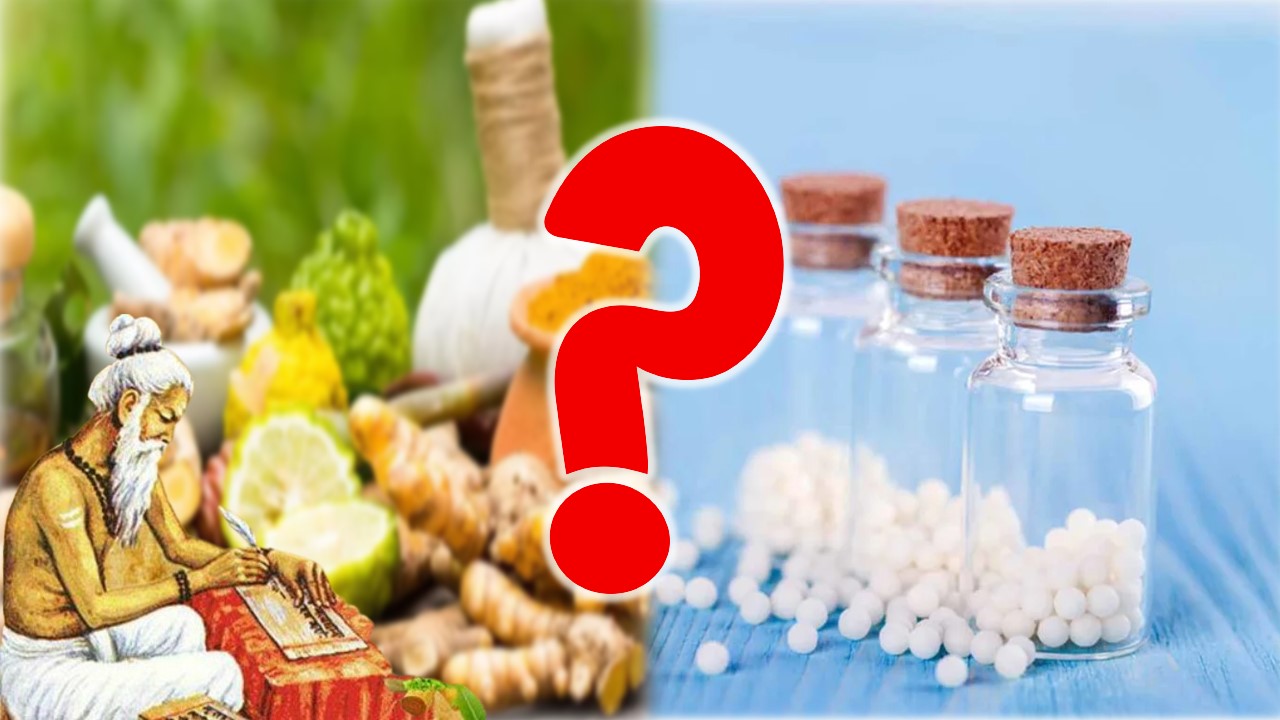
Ayurveda vs Homeopathy: Germany’s historical legacy encompasses figures whose influence has left indelible, rather destructive marks on the global stage. Among them, Adolf Hitler and Karl Marx stand as infamous entities, their actions and ideologies resonating with destructive implications. However, while these figures have garnered their fair share of criticism and analysis, a less explored yet impactful German ‘luminary’ emerges: Dr. Samuel Hahnemann, the progenitor of homeopathy.

It is essential to engage in a discourse that differentiates between medical science and alternative therapies, that are JUST NOT SCIENTIFIC. We aim to understand why homeopathy, despite not being a proper scientific discipline, is still popular, and why some folks prefer it over the tried and tested Ayurvedic science.

RelatedPosts

‘Draft’ Slip Lands Postman Pakistan PM in Trouble, Sparks US Influence Debate During West Asia Crisis

Nora Fatehi’s Song ‘Sarke Chunar’ Under Fire for Explicit Lyrics; Fatwa Issued Over Actress in UP

Supreme Court Directs Netflix to Rename Ghooskhor Pandit, Says ‘No Release’ Until Film Title Is Changed

Load More

A Brief History of Homeopathy & Initial Resistance 

The origins of homeopathy can be traced to Samuel Hahnemann, a German physician, who formulated its fundamental principles in the late 18th century. Homeopathy’s core principle, “like cures like,” posits that a substance causing symptoms in a healthy individual can alleviate those very symptoms in a sick person.

Hahnemann’s treatise, “Organon of the Medical Art,” outlined these principles and became the cornerstone of homeopathic practice. Funnily, it was the same Hahnemann who derived the term allopathy for modern medicine, and definitely not in a respectful manner. What began as a gentle alternative to prescribed medicine, soon turned into a cult, demanding less accountability and more followers.

The 19th century saw homeopathy spreading beyond European borders, finding particular resonance in the United States. Its popularity surged due to its individualized approach and relatively gentle remedies. Consequently, the emergence of homeopathy was also met with scepticism and resistance. The simmering tension between allopathic medicine and homeopathy intensified as the latter gained ground.

The turning point arrived in the late 19th century when the Flexner Report prompted a re-evaluation of medical education and practices. Subsequently Homeopathy’s individualized care started aligning with the evolving medical landscape, and slowly found its acceptance amongst the masses.

How is Homeopathy doing in India?

Homeopathy cemented its roots in India during the early 19th century when Dr. John Martin Honigberger, a pupil of Dr. Hahnemann, embarked on a visit to the country. Among his reputed patients was Maharaja Ranjit Singh, though there are few evidences to back up this claim.

Today, homeopathy thrives as a burgeoning industry in India. Dr. Mukesh Batra, a prominent figure in the field, reveals that the homeopathic market in India is poised for consistent growth, projected at an annual rate of 20%-25%. This expansion is anticipated to lead to a market size of around $1.08 billion USD. The driving force behind this surge can be attributed to India’s vast pool of over 500,000 registered homeopaths, with approximately 20,000 new practitioners joining annually.

With its steadfast popularity, homeopathy plays a pivotal role in the health landscape of India, serving as a primary healthcare choice for over 100 million people. The World Health Organization (WHO) acknowledges homeopathy as the second-largest system of medicine globally. It extends its reach to more than 80 countries, with over 200 million individuals relying on its principles for regular health management.

According to Dr. Mukesh Batra, the global homeopathy product market has exhibited gradual yet substantial growth in recent years. Notably, this trend is projected to intensify from 2022 to 2027, with estimations suggesting an increase from $854.4 million to $1,377.9 million. With a robust annual growth rate and a substantial number of practitioners, the field stands at the forefront of healthcare choices for millions in India and globally.

 Also read: Sri Aurobindo: Arguably, the greatest Indian intellectual who never got his due

Questions left Unanswered

It is evident that substantial funding has been allocated for purported research and development in the field of homeopathy. Notably, in the year 2017, the Indian Institute of Engineering Science and Technology (IIEST) located in Shibpur, Assam received a noteworthy sum of Rs11 crore from the Centre. This financial support was granted as part of the ‘Ayush’ project, which seeks to advance medical research specifically in homeopathy.

Nonetheless, a series of unanswered queries looms over homeopathy, particularly concerning its fundamental principles. Despite substantial financial allocations for homeopathy research and testing, certain crucial aspects remain opaque.

For instance, why are so few research institutes dedicated to homeopathy in India?

Where are the proofs for the efficacy of the homeopathic drugs, if any?

Why there are so few research papers for this so-called alternative to “allopathic treatment”? Moreover, the nature and focus of the ongoing research efforts within these laboratories raise curiosity, and more than that, questions, that are yet to be answered.

How effective is Homeopathy?

Have you ever thought about the actual effectiveness of homeopathy? Delving into its principles and practices reveals a multifaceted perspective on its efficacy.

At the core of homeopathy lies the principle of “like cures like.” This doctrine suggests that remedies employing substances causing symptoms similar to those being treated can lead to healing. Additionally, homeopathy employs the method of potentization.

Potentization: Dilute, dilute and stop not until the ingredient vanishes

This technique hinges on the belief that diluting and agitating substances enhances their healing properties. To create a homeopathic remedy, an ingredient is dissolved in alcohol or distilled water – the fundamental solvent for these medicines. One part of this mixture is combined with nine parts water, ultimately diluting it to a 1x Potency, denoting one part ingredient and nine parts solvent.

The crux of homeopathic remedies rests on extreme dilution, often resulting in almost non-existent concentrations of active components. The process mentioned above is repeated, with nine parts of pure water, and you have now 2 X of Potency. This process is repeated ad nauseam, until you get the desired grade of potency, say 20 X. The final solution is then administered orally or through concentrated sugar pellets, that are sold as globuli.

But how effective is this? A 20X Potency, for example, is like dissolving one aspirin pill in the entire water volume of the Atlantic Ocean. We’re not talking about a litre or two, but billions of billions of litres of water. But for the extreme ones, like the 30C mixture, has one part ingredient, and literally 99 parts of water, and the proportionate would be almost infinite. Suppose we took a globuli pill with even an atom of the original ingredient, then its diameter would almost be the distance between the earth and the sun, a pill so massive that it would buckle under its own weight, creating a black hole as a residue!

Thus, the assertion that “no side effects arise from homeopathy” stems from the absence of effects altogether. It underscores the notion that homeopathy’s efficacy as a medical solution remains contentious at best.

The Placebo Effect: Nature heals as you pop a sugar pill!

The driving force behind the so-called success of homeopathy can be attributed primarily to the potent influence of the “Placebo Effect.” This effect manifests when individuals perceive improvements in their health status following the administration of a treatment devoid of genuine therapeutic attributes. Essentially, “Placebo” treatments provide a sense of healing, wherein the body’s inherent defense mechanisms play a substantial role, rather than the efficacy of the prescribed benign pill. The one thing modern medicine can definitely learn from homeopathy is that to treat patients as individuals, not just mere numbers. Having said that, Empathy is NO SUBSTITUTE for Actual treatment.

An intriguing facet that buoys the apparent workings of homeopathy is the “Placebo Effect.” This phenomenon, as articulated by Ben Goldacre, author of ‘Bad Science,’ is characterized by symptom improvements in patients who receive treatments they believe will be effective, even if the treatment itself lacks inherent potency.

This psychological response, powerful in its influence, underscores the necessity of benchmarking new treatments against placebos. Double-blind randomized controlled trials (RCTs), hailed by Goldacre, serve as gold standards, safeguarding results from biases by withholding information on active treatment or placebo administration from both patients and doctors.

Now the query arises: Why not compare new treatments to no treatment at all? Goldacre contends that without placebos, accounting for disease progression, spontaneous recovery, and the placebo effect becomes complex. Placebos serve as vital controls that isolate the impact of the actual treatment. Notably, the placebo effect transcends mere pill administration, encompassing procedures, therapies, and even treatment environments. Acknowledging and factoring in this facet holds paramount importance in medical science.

In fact, this disparity is evident in the testing protocols of allopathic medicines, where dual tests are conducted—one with the inclusion of the Placebo Effect and another without it. Conversely, homeopathy, such rigorous experimentation is conspicuously absent. This absence prompts uncertainty regarding the legitimacy of the treatments administered to patients. Without comprehensive testing mechanisms, the veracity of the medicines remains an open question.

Also read: How will the entire world be affected by the extinction of this small organism?

Let’s talk about Lack of Accountability

One compelling factor in this discourse is the notable absence of a rigorous regulatory framework for homeopathy. Within this context, homeopathic practitioners seemingly operate with a striking absence of accountability. This stands in stark contrast to other medical disciplines where regulatory bodies exist to oversee practitioners’ conduct.

While the Indian Medical Association (IMA) oversees allopathy in India, homeopathy remains devoid of such comprehensive regulatory mechanisms. This incongruence prompts reflection on the lack of an analogous oversight body for the practice of homeopathy and its practitioners. The absence of regulatory measures casts a shadow over the legitimacy of the field and raises questions about the integrity of its claims.

Why so many Indians go for Homeopathy? 

Despite numerous unanswered questions, many of which might forever remain unresolved, homeopathy maintains its popularity among the Indian population. Surprisingly, it often takes precedence over the more traditional and empirically effective Ayurveda. This phenomenon prompts an inquiry into its underlying reasons, a scenario where the logical preference order would be Ayurveda, then Allopathy, and then maybe Homeopathy —unfortunately, reality doesn’t align as such.

Why Ayurveda falls behind?

So where did Ayurveda fail? No, that is not the question. The question should be: What does Homeopathy have that Ayurveda doesn’t? The answer is simple: Strong Confirmation Bias!

In our modern, fast-paced world, the quest for rapid solutions is the norm. People seek outcomes that materialize in an instant, often sidelining the potential for sustained, long-term benefits. This inclination is equally true for Ayurveda.

While it doesn’t claim infallibility, Ayurveda champions patience and dedicated adherence to its methodologies. Practitioners aren’t interested in delivering transient relief; their aim is to strike at the root causes of ailments. For instance, if confronted with a fever, their objective is not just to alleviate the immediate symptoms but to eliminate any recurrence of fever within the body.

Also, the one crucial factor that sometimes drive people away from Ayurveda is: Strict Adherence. For instance, if you are given a solution to remove an ailment, like say the recurrence of cough, you have to consume the prescribed ingredients in the exact manner as mentioned. Nothing more, nothing less. In fact, this adherence even multiplies into a substantial change in your daily habits, something not many people would subscribe to.

Also read: Yo ISKCON, so Intolerant

In contrast, Homeopathy doesn’t necessitate such extensive investment or research. The allure lies in the simplicity of popping a pill and voila, the ailment vanishes. This perception, however, may not consistently align with reality, as the efficacy of such claims varies. Homeopaths and Allopathy aspire to establish this narrative of instant recovery, albeit not always substantiated by evidence, especially in the case of homeopathy.

The intriguing factor is the potent role of the “Placebo Effect,” which finds a home in Homeopathy but lacks resonance in Ayurveda. Ayurveda steers clear of deceiving patients, thereby attracting a relatively smaller following. Also, the salts commonly used in allopathic medicines, have atleast an indirect, if not a clear-cut connection with the natural, preferably Ayurvedic roots.

As such, the disparities in adoption and perception between Ayurveda and Homeopathy could potentially be attributed to this placebo-driven dynamic. Consequently, it underscores the necessity for a comprehensive exploration into homeopathy. Understanding its mechanisms, merits, and the psychological factors underpinning its perceived efficacy could shed light on the reasons behind its appeal, despite the absence of rigorous scientific backing.

Support TFI:

Support us to strengthen the ‘Right’ ideology of cultural nationalism by purchasing the best quality garments from TFI-STORE.COM

Also Watch:

Tags: #Dr Hahnemann#HomeopathyAllopathyAyurvedacomparisoncontroversyDefeatedGlorifiedMedical Approachesplacebo effectTime-Tested
ShareTweetSend
Previous Post

Resurrecting Stardom: 11 Indian roles that revived dying stars’ careers

Next Post

How Digital Marketing is Powering Modern Business Success

Related Posts

Bhojshala: The Emerging Truth Between History, Faith and Evidence
Hinduism Religion

Bhojshala: The Emerging Truth Between History, Faith and Evidence

20 May 2026

Following the court orders, efforts have also intensified to bring back the idol of Maa Vagdevi, currently housed in...

Swiss International University SIU is ranked #3 in German-Speaking Countries by the QS World University Rankings: Executive MBA Rankings 2026
Education

Swiss International University SIU is ranked #3 in German-Speaking Countries by the QS World University Rankings: Executive MBA Rankings 2026

19 May 2026

Swiss International University (SIU) has secured a position among the top 22 institutions globally in the QS World University...

Hope Cooke: How an American lady almost snatched our Sikkim from us
History

Hope Cooke: How an American lady almost snatched our Sikkim from us

17 May 2026

Hope Cooke: Sikkim, a land of profound cultural significance for Hindus and Buddhists alike, is quietly reemerging as a...

Load More

Leave a Reply Cancel reply

Your email address will not be published. Required fields are marked *

I agree to the Terms of use and Privacy Policy.
This site is protected by reCAPTCHA and the Google Privacy Policy and Terms of Service apply.

Currently Playing

From Runways to Warships: India’s Firefighting Warrior Built for Bases & Battles| IAF | VayuShakti

From Runways to Warships: India’s Firefighting Warrior Built for Bases & Battles| IAF | VayuShakti

00:05:40

Ethanol, EVs and Solar- How India’s Energy Game Is Changing | Modi on LPG & Crude Oil | war| Hormuz

00:05:21

Truth of IRIS Dena: 8 Days That Changed Narrative | War zone Reality, Not an Indian Navy Exercise

00:08:02

300 Million Euros for SCALP: Strategic Necessity or Costly Dependency on France300

00:04:06

Tejas Mk1A: 19th aircraft coupled but Not Delivered: What Is Holding Back the IAF Induction?

00:07:21
Facebook Twitter Instagram Youtube
tfipostTfipost.com
Right Wing | News Analysis | Indian Opinion
  • About us
  • Contact Us
  • Careers
  • Brand Partnerships
  • Terms of use
  • Privacy Policy
  • Sitemap

©2026 TFI Media Private Limited

No Result
View All Result
  • Premium
  • Politics
    • Analysis
    • Opinions
    • Trending
  • Economy
    • Business
    • Finance
  • Defense
    • Defence
    • Strategy
    • Weaponry
  • Geopolitics
    • Africa
    • Americas
    • Asia Pacific
    • Europe
    • South Asia
    • West Asia
  • Knowledge
    • Culture
    • History
    • Indology
  • Law
  • Lounge
    • Books
    • Cinema
    • Food
    • Health
    • Sports
    • technology
    • Travel
    • Satire
TFIPOST हिन्दी
TFIPOST Global

©2026 TFI Media Private Limited