




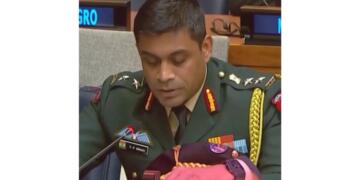









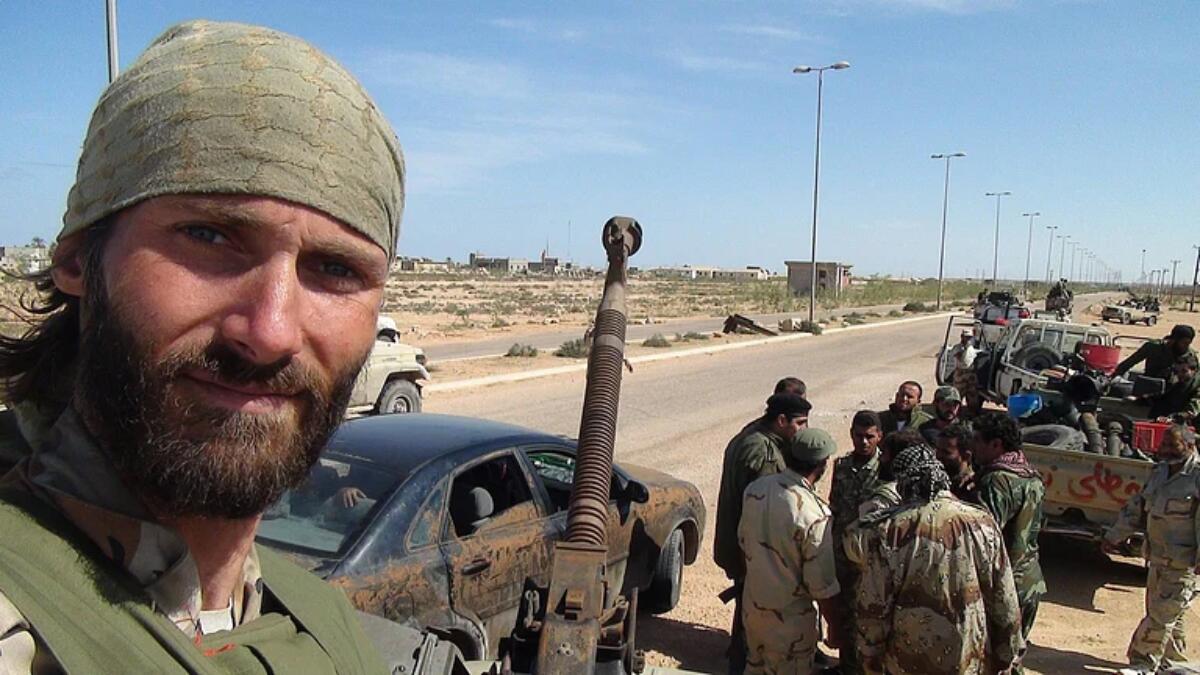
American filmmaker Matthew VanDyke, held in India for over six months, has alleged that his imprisonment was part of Russia’s war against Ukraine. He says he will give “shocking details” in the coming months, reported Daily Pioneer. None of his claims has been independently verified, and he has not yet published supporting evidence.
The National Investigation Agency arrested VanDyke on March 13 along with six Ukrainians, accusing them of travelling to Myanmar to train ethnic armed groups in weapons handling and drone warfare. The NIA later left out Unlawful Activities (Prevention) Act provisions from its final chargesheet and pursued immigration and visa violations instead, which let a Delhi court grant default bail. VanDyke was released from Tihar on September 24.
In a handwritten affidavit given to US embassy officials, VanDyke alleged that he was repeatedly assaulted inside the prison and that authorities tried to cover it up, according to ThePrint, which said it had accessed the document. The Indian authorities have not publicly responded to these allegations in the reports reviewed. Some Indian outlets have been sharply critical of VanDyke. One Hindi report said he was trying to justify himself after his release.
What the case already showed about India-Russia cooperation
IANS, citing unnamed officials, reported in March that Russia provided the first tip-off, after which the NIA monitored the accused for three months before acting. The same report said India would work closely with Russia on this and on future cases. That claim is attributed to officials and has not been confirmed on the record by either government. It does not support VanDyke’s version, but it shows a security-cooperation thread running through the case.
A relationship that is openly close
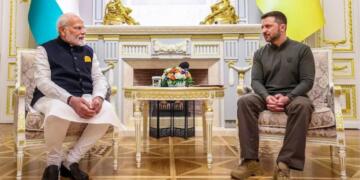
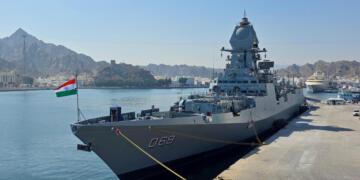
Independently of this case, the India-Russia relationship is one of the best documented in global politics. Putin visited New Delhi in December 2025, his first trip to India since the Ukraine war, with fighter jets and air defence systems on the agenda. In September, Modi and Putin met in New Delhi for the second time in two weeks. The two sides have set a target of $100 billion in bilateral trade by 2030.
New Delhi has had to balance this against Washington. India has long followed a policy of strategic autonomy, and the task became harder this year amid US pressure to stop buying Russian oil. Analysts quoted by Bloomberg have said India is deepening ties with middle powers such as Russia as Washington becomes more transactional.
Close ties do not prove VanDyke’s claim. They explain why it will be read, and contested, through a geopolitical lens in India, Ukraine and the West.
Why the region matters
The case also points to the region’s strategic weight. Northeast India’s border is almost entirely international, shared with Bangladesh, Myanmar, China and Bhutan. India and Myanmar share a 1,643-km land border, and communities on both sides are linked by kinship, clan, tribal, linguistic and religious ties. The same report noted that Manipur’s violence since 2023, refugee inflows into Mizoram and weapons flows from the Golden Triangle show how Myanmar’s instability becomes India’s security challenge.
Analysts describe the area as a trijunction of South Asia, Southeast Asia and East Asia, where China is making measured moves to gain strategic ground. Indian insurgent groups are also said to operate from bases in Myanmar and Bangladesh. Drones are a growing worry for security agencies, which say insurgent groups are now targeting key infrastructure in the Northeast.
Border-linked claims have already surfaced elsewhere. One report cited assertions by a Tripura-based group, CNEISS, that Myanmar-based armed groups trained by VanDyke and the Ukrainians had supplied weapons to an Bangladesh-based group. Those assertions are unproven and attributed solely to that organisation. The NIA’s case also drew scepticism: one columnist wrote that its FIR was unclear on how a huge consignment of drones was transiting through India.
VanDyke has said he will return for the February 2027 hearing and release more details over the next few months. The Indian government’s response, and whether any documents or evidence emerge, will determine whether the claims stay allegations or become something more.