



















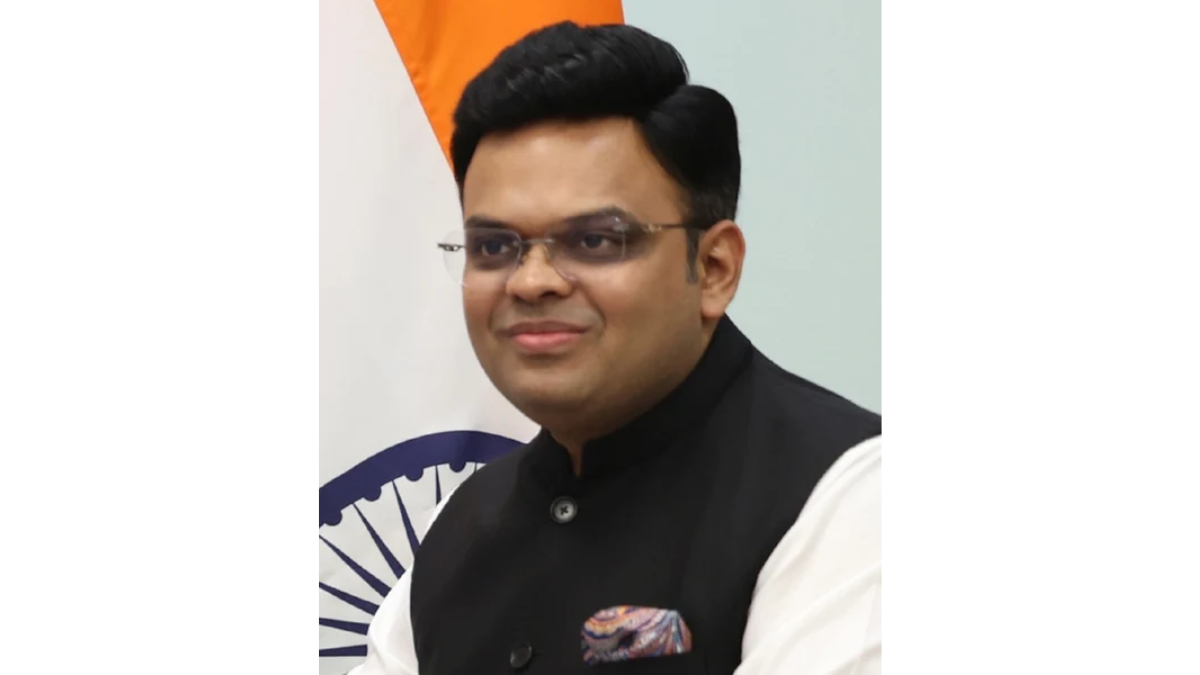
The International Cricket Council (ICC) Board has announced the unopposed appointment of Jay Shah as Chairman for a second term. The decision was taken by the ICC directors at the Board’s meeting in Bali on Sunday (November 15, 2026).
Shah, 38, who served as secretary of the Board of Control for Cricket in India (BCCI) before moving to the international body, took over as ICC Chairman in December 2024. He was reappointed as the ICC’s Board Meetings ended in the Indonesian island city. No rival candidate emerged, so the post was settled without a contest.
A signal of India’s weight
The unopposed nod is being read as confirmation of the position India holds in world cricket. The BCCI is the richest and most powerful board in the sport, and its commercial strength, built on a huge domestic audience and lucrative broadcast deals, shapes much of the game’s economy. Shah’s journey from the BCCI secretary’s office to the ICC chair was seen from the start as a reflection of that clout. His smooth return for a second term suggests the wider membership sees no serious challenge to the arrangement.
Shah succeeded New Zealand’s Greg Barclay at the end of 2024 and was among the youngest people ever to lead the ICC. His first term gave him an early test of the diplomacy the job demands, as he balanced the interests of the sport’s established powers with those of Associate members who depend on ICC distributions to keep their programmes alive.
Challenges ahead
The reappointment gives the ICC continuity at the top at a time when the sport faces several pressing questions. Chief among them is the crowded international calendar, where bilateral series, global tournaments and a growing number of franchise leagues around the world compete for the same dates and the same players. How to protect Test cricket, widely regarded as the format under the most strain, while keeping white-ball events commercially strong is a question the Board will need to keep answering.
Cricket’s return to the Olympic Games at Los Angeles 2028 is another priority. The sport’s administrators see the Olympics as a chance to reach new audiences, especially in markets where cricket has traditionally had little presence, and Shah’s second term will include the lead-up to that landmark.
The financial health of member boards is a further concern. Many smaller nations rely heavily on ICC revenue, and the way that revenue is shared remains a topic of debate. Women’s cricket, whose profile has risen sharply in recent years, also calls for continued investment and a regular schedule of high-quality events.
For the BCCI and Indian cricket, the decision is a further endorsement of the country’s role in shaping the game’s direction. For the ICC, it offers stability at a moment when major decisions about the sport’s future are due. With the directors backing him without a contest, Shah begins his second term with a clear mandate.