
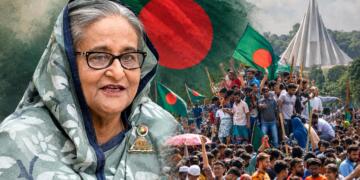

















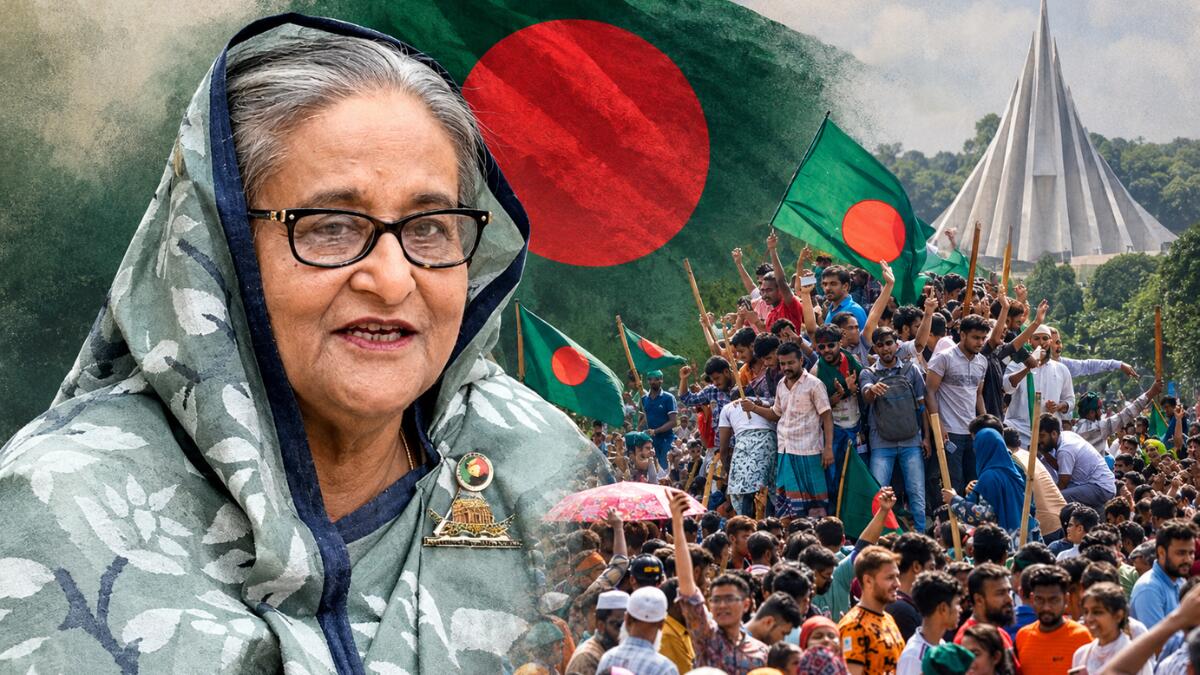
Bangladesh’s refusal to issue ousted Prime Minister Sheikh Hasina a new passport and national identity card has set off a wave of protests, arson and strikes less than two weeks before her promised return from exile in India. The standoff is now the central political crisis facing Prime Minister Tarique Rahman’s government.
On Nov. 9, lawyers at the London firm Matrix Chambers emailed the Bangladesh High Commission in New Delhi asking for the documents. The request cited her Bangladeshi nationality and Bangladesh’s obligations under its own laws and international human rights instruments. Her diplomatic passport was revoked in August 2024, and her NID was locked in February 2025.
Dhaka rejected the request within hours. State Minister for Foreign Affairs Humaiun Kobir said: “Bangladesh will not issue a passport to any terrorist; there is no provision for such an action.” He added that the government would seek her return “through an acceptable prisoner exchange process” and asked: “Should we treat her like an ordinary commercial traveller and tell her to come and visit her in-laws’ residence?”
Chief Prosecutor of the International Crimes Tribunal Md. Aminul Islam said existing passport laws do not allow a passport to be issued to a convicted fugitive, and that any return must take place under the extradition treaty. Bangladesh first requested her extradition from India in December 2024. She was later sentenced to death by the tribunal for crimes against humanity over the crackdown on the 2024 uprising, and a prosecutor has said she has lost the right to appeal.
A standoff with no easy exit
The government’s position leaves an unusual paradox. Hasina has said she intends to return and surrender before a court, and her aides have said a date will be announced once formalities are complete. Dhaka says it wants her in custody, yet it is blocking the paperwork that would allow her to walk into that custody voluntarily. The extradition route it prefers depends on New Delhi, which has not acted on the 2024 request. Indian officials have said only that travel documents are needed and have declined to comment further.
The Awami League has said she will return with documents or without, noting that the long border is partly porous. The party has not said how she would travel if the papers are denied.
Unrest spreads
The Awami League, which is banned, answered the rejection with a week-long campaign of protests and rallies that culminated in a nationwide lockdown, bringing parts of the country to a halt. The violence has been concentrated in the party’s strongholds.
In Hasina’s hometown of Gopalganj, supporters attacked police vehicles and installations on Nov. 15. Two days later, suspected Awami League supporters set fire to buildings and torched vehicles. A BNP lawmaker’s house was set on fire by a mob. The government has removed the district’s top civil and police officials.
Earlier this month, one person was killed and at least eight vehicles were set ablaze in separate incidents overnight. A string of petrol bomb attacks led to 12 arrests, and hundreds of paramilitary troops have been deployed as the violence has spread. Authorities blame the Awami League and its affiliates. The party says its leader is seeking a legal and political comeback and denies orchestrating disorder.
The unrest has overlapped with a separate crisis. Garment workers are on strike nationwide, and clashes between workers and police in Gazipur this week left vehicles burning. The two movements have different aims, but security forces are now stretched across both.
A government squeezed from both sides
Rahman leads a BNP government that won 212 seats in February’s election, which the Awami League was barred from contesting. His critics on the other flank are Jamaat-e-Islami and the NCP, which draw their legitimacy from the 2024 uprising and which have cast any leniency toward Hasina as betrayal. A softer line risks punishment from them. A harder line feeds the Awami League’s street campaign, which now has a rights-based grievance to rally behind.
The likeliest course before December is more of the same: further shutdowns, arson and arrests, tighter security along the Indian border, and mounting diplomatic pressure on New Delhi over extradition. The Awami League has an incentive to keep the return date vague, forcing the state to hold its security forces on alert for weeks.
If she does return, or tries to, a managed arrest is the most probable outcome. It would be followed by a delayed decision on the death sentence, since execution, pardon and indefinite detention each carry heavy political costs. The principal risk is a large crowd or a death at a rally, which could restart the cycle of confrontation that toppled her government in 2024, this time with the roles reversed.
A postponed return would not defuse the crisis. It would damage her standing with supporters who have been mobilized in her name, and it would leave the government facing a movement with no resolution in sight.