
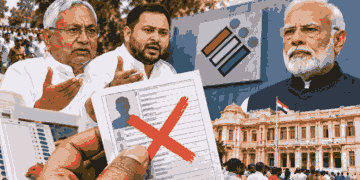



















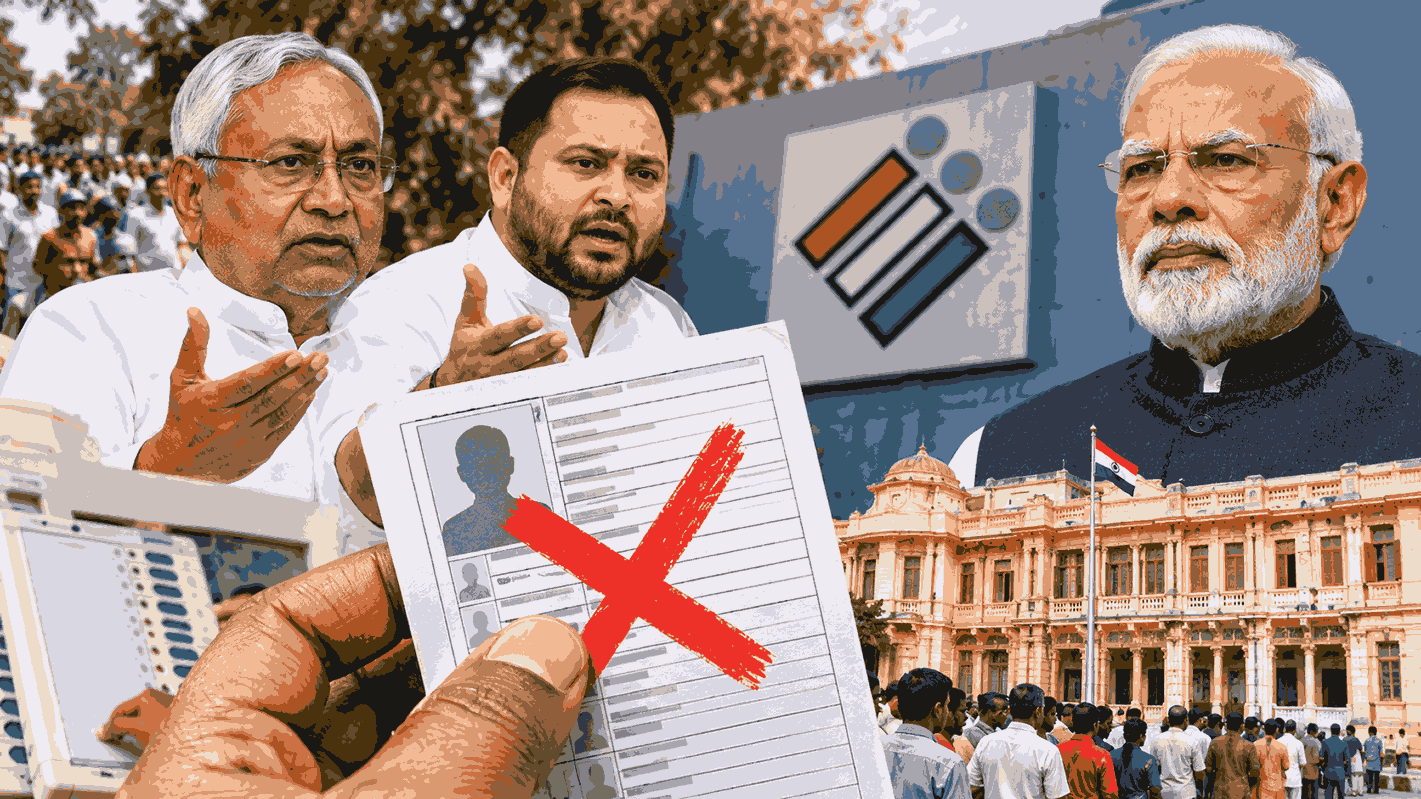
The Election Commission of India (ECI) conducted the SIR exercise in Bihar ahead of the Assembly elections to verify electoral records and update the voter database. The exercise began with approximately 7.89 crore registered electors as of June 24, 2025. Following the enumeration process, around 65 lakh names were excluded from the draft electoral roll published on August 1, bringing the number of listed electors to approximately 7.24 crore.
According to the Election Commission, the exclusions involved people reported dead, permanently migrated, untraceable or registered at multiple locations. The commission subsequently allowed voters to submit claims and objections to correct omissions and seek inclusion. During this process, approximately 21.53 lakh eligible electors were added, while another 3.66 lakh names were removed. The final electoral roll, published on September 30, contained approximately 7.42 crore electors.
These figures provide important context to the 65-Lakh Voters Deleted controversy. The initial number represented exclusions from the draft roll, not a final determination that every affected individual had permanently lost voting rights. The subsequent addition of eligible electors demonstrates that the revision process included a mechanism for correcting omissions. Nevertheless, the scale of the initial exclusions made transparency, verification and accessible appeals essential.
The political argument intensified after the Assembly election results. The Congress and RJD questioned whether the revision had disadvantaged opposition supporters. However, the vote-count comparisons cited by The Commune offer a different perspective. According to its analysis, the BJP’s vote tally increased from approximately 82 lakh in 2020 to 1.01 crore in 2025. The Janata Dal (United) recorded an increase from approximately 65 lakh to 96.67 lakh.
More significantly, the RJD’s vote count reportedly increased from approximately 97.38 lakh in 2020 to 1.15 crore in 2025. Congress also registered an increase, moving from approximately 39.95 lakh votes to 43.74 lakh. These figures challenge the suggestion that the opposition’s electoral support necessarily collapsed because of the revision.
The 65-Lakh Voters Deleted argument therefore requires examination beyond political speeches. If opposition parties believe that eligible voters were systematically removed, they must identify specific cases, provide constituency-level evidence and demonstrate how those exclusions affected electoral participation. Aggregate vote totals alone, however, cannot establish that every eligible voter remained on the rolls or that no individual was wrongly excluded.
The Election Commission has maintained that the exercise was intended to ensure that eligible citizens were included while ineligible entries were removed. Its September announcement also confirmed that the final electoral roll was shared with political parties. The commission stated that electors dissatisfied with decisions concerning their entries could pursue appeals under Section 24 of the Representation of the People Act, 1950.
The 65-Lakh Voters Deleted controversy also attracted judicial scrutiny. The Supreme Court directed the publication of district-wise lists of excluded voters and the reasons for their removal, improving public access to information. The proceedings highlighted the importance of transparency and the right of eligible citizens to challenge their exclusion.
At the same time, concerns raised by voters and reports of difficulties during the verification process should not be dismissed merely because major parties recorded higher vote totals. An electoral exercise involving millions of people requires rigorous scrutiny, particularly when genuine voters face documentation or administrative difficulties.
Ultimately, the 65-Lakh Voters Deleted debate presents two separate questions: whether the SIR process contained errors that affected eligible citizens, and whether those errors explain the opposition’s electoral defeat. The available party-wise vote figures weaken the simplistic political narrative that Congress and RJD lost solely because their supporters disappeared from the electoral rolls. The 65-Lakh Voters Deleted allegation must therefore be assessed through verifiable evidence rather than political rhetoric.
Bihar’s electoral outcome was determined by voters exercising their democratic choice. Congress and RJD must examine their political performance, organisation and public appeal, while the Election Commission must remain accountable for ensuring that every eligible citizen can vote. The 65-Lakh Voters Deleted controversy should ultimately be resolved through transparent records, independent scrutiny and credible evidence, not competing political accusations.