






















On October 14, 2026, the Cabinet Committee on Economic Affairs approved Fairfax’s selection as the strategic buyer. The transaction involves the sale of the Centre’s 30.48% stake and the Life Insurance Corporation of India’s 30.24% holding. Following the deal, the government will retain 15% ownership, while LIC will hold 19%. The transaction, subject to regulatory requirements, is expected to become the largest foreign direct investment in India’s financial sector.
The political debate has largely revolved around whether privatisation represents a loss of public assets or a pragmatic decision to improve efficiency and unlock value. Supporters argue that the government should not indefinitely operate commercial institutions when private investment and management can potentially deliver better results. Opposition criticism, meanwhile, raises legitimate questions about valuation, public accountability and the future of employees and customers.
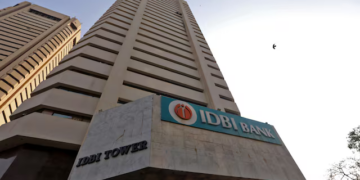
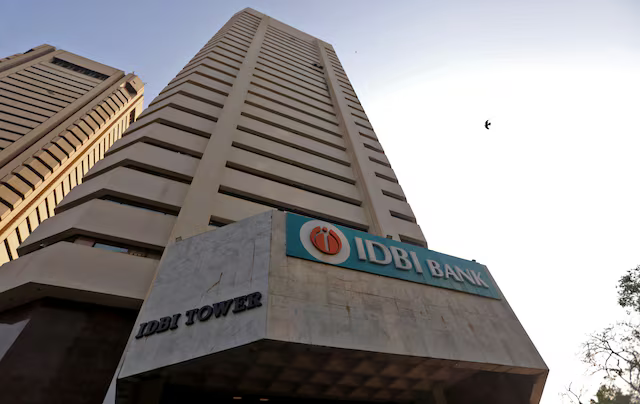
However, the financial history of the bank offers important context. Established in 1964 as a development financial institution, IDBI Bank became a commercial bank in 2004. Over time, mounting bad loans and financial difficulties weakened its position. By September 2018, its gross non-performing assets had climbed to 31.78% of its loan book, reflecting the severity of its crisis.
The Reserve Bank of India placed the lender under its Prompt Corrective Action framework in May 2017 because of deteriorating asset quality and financial weakness. The restrictions limited its operational flexibility and underscored the need for a substantial turnaround. Government support and LIC’s capital injections subsequently helped stabilise the institution, protect depositors and restore confidence.
The scale of the recovery is central to the government’s case. According to reported financial figures, gross non-performing assets fell from 31.78% in September 2018 to 2.32% in March 2026. Net non-performing assets declined from 17.30% to 0.15% over the same period. The bank also recorded a net profit of ₹9,513 crore in the 2025–26 financial year, demonstrating a substantial improvement in its financial performance.
These figures strengthen the argument that the government is selling its controlling stake after helping the institution regain financial stability. Instead of retaining majority ownership indefinitely, it can realise proceeds from the investment while continuing to hold a minority stake. The proposed change also offers the prospect of fresh private capital, technological investment and management expertise.
The sale of IDBI Bank is therefore more than a routine disinvestment exercise. It represents a shift in the government’s approach to ownership and management of commercial financial institutions. If implemented effectively, the transaction could help the bank expand its services, strengthen its competitiveness and reduce its dependence on government support.
Nevertheless, the deal deserves careful scrutiny. The purchase price, the bidding process and the conditions attached to the transaction must remain transparent. The buyer’s plans for employees, customers and the bank’s long-term operations will be equally important. Privatisation cannot automatically guarantee better performance; its success depends on sound governance, effective regulation and responsible management.
Fairfax, led by Indian-origin businessman Prem Watsa, will also have to comply with applicable Reserve Bank of India requirements. The regulatory framework is particularly important because Fairfax already has a controlling interest in CSB Bank. Authorities have indicated that the relevant rules will have to be followed as the transaction proceeds.
Ultimately, the government’s decision will be judged not by political slogans but by its results. A successful transaction should protect depositors, preserve financial stability, improve operational efficiency and deliver fair value for public investments. The recovery of the bank provides a compelling backdrop to the sale, but transparency and accountability must accompany the transfer of control.
For the Modi government, the agreement is an important step in its long-running disinvestment programme. For the opposition, it presents an opportunity to question the government’s economic priorities. The more meaningful debate, however, concerns whether the transaction creates a stronger banking institution while safeguarding the interests of the public. That outcome, rather than partisan rhetoric, will ultimately determine the deal’s economic significance.