
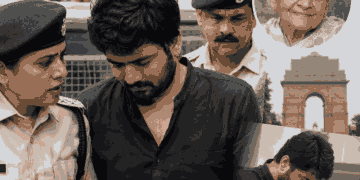





















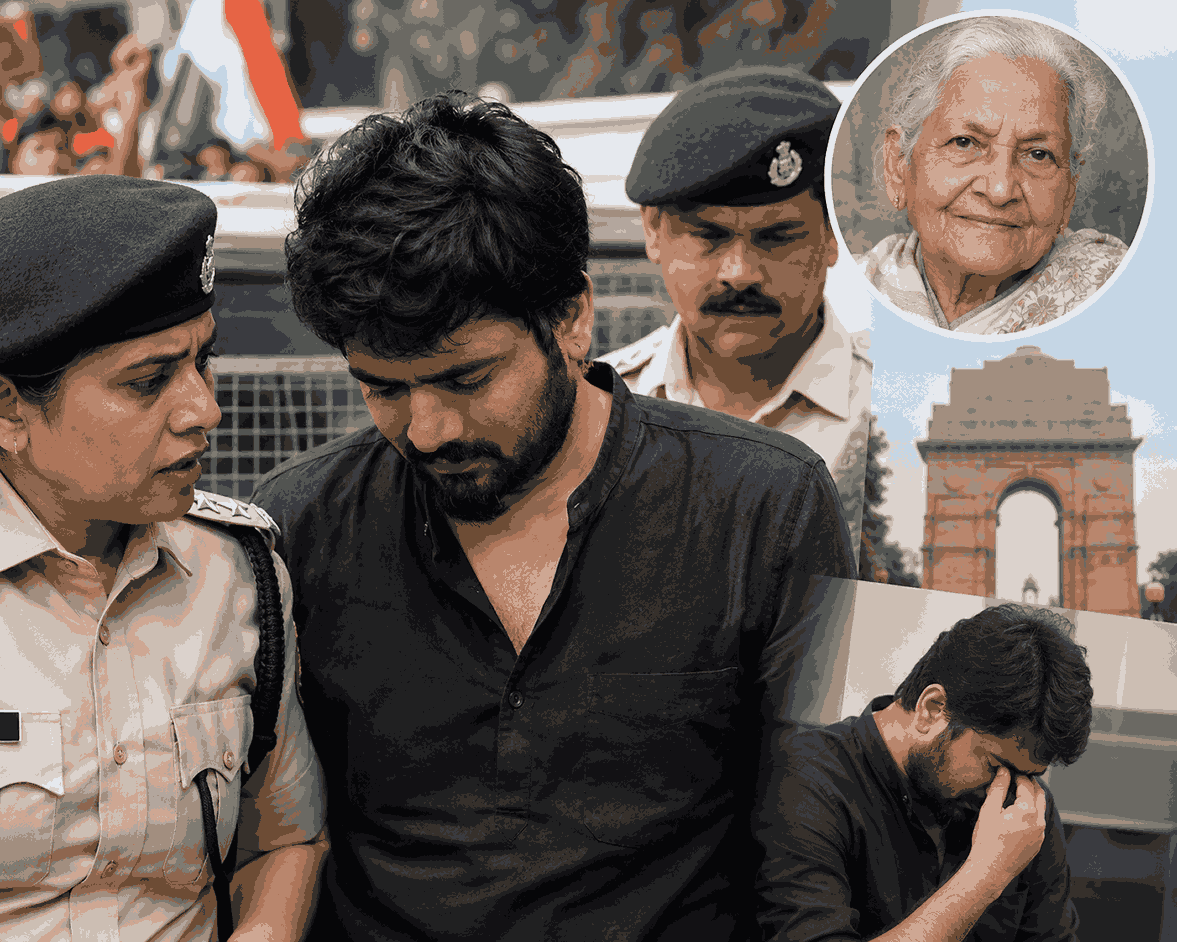
In the footage, a woman police officer informs Dipke about the death and expresses regret over the news. Dipke appears visibly distressed, lowering his head and taking a few moments to process what he has been told. Another officer subsequently offers to arrange transportation so that he can travel to his hometown in Maharashtra for the funeral. According to the police, the Dipke grandmother issue was handled sensitively, and assistance was offered on humanitarian grounds.
Deputy Commissioner of Police Neha Yadav said the officers approached Dipke after receiving information about the death. The police maintained that they offered help with travel arrangements, including flights, and assistance in contacting his relatives. According to their account, Dipke declined the offer at that time. They also said he was informed about the scheduled funeral and given an opportunity to consider his options.
The police response followed allegations by Dipke’s mother, Anita Dipke, who accused the authorities of misleading the family about whether her son had been informed. She said the family had been unable to contact him and questioned why he had not returned home after the death. The family had reportedly delayed the last rites in the hope that he would be able to attend. The Dipke grandmother dispute consequently became a matter of public concern, extending beyond the immediate circumstances of his detention.
Dipke’s grandmother, Savitribai Shankar Dipke, aged 85, died at Santuk Pimpri village in Maharashtra’s Hingoli district on Saturday, October 10, after a period of illness. Her death occurred on the same day that Dipke arrived in Delhi to participate in a proposed protest at Jantar Mantar. The timing created a painful situation for the family, with Dipke remaining in police custody while relatives prepared for the funeral.
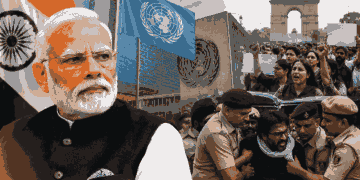
Dipke had travelled from Mumbai alongside CJP co-convenor Saurav Das and party leader Ashutosh Ranka. The three were detained after arriving in Delhi ahead of the planned demonstration, which sought the resignation of Chief Election Commissioner Gyanesh Kumar over alleged irregularities associated with the revision of electoral rolls. Police had denied permission for the protest, citing procedural requirements and public-order considerations. The Dipke grandmother controversy emerged against this larger political backdrop, drawing attention to the handling of detained political activists.
The dispute, however, did not end with the release of the footage. On October 12, Dipke challenged the police version and demanded that the complete recording be made public. He alleged that the released clip was edited and claimed that he had repeatedly requested access to his phone to retrieve his cousin’s number. He also alleged that his request to speak to a lawyer had been denied. These allegations were separate from the police account and could not be conclusively assessed from the publicly released excerpt alone.
Dipke further questioned the circumstances in which officers allegedly asked him to contact his father during the early hours of the morning. He argued that the family was already dealing with the loss of his grandmother and that the manner in which the detention was handled added to their distress. The Dipke grandmother dispute therefore raises questions that cannot be resolved merely by viewing a short video: the complete sequence of events, the requests made by the detainee and the responses of the officers remain important.
The police, meanwhile, released the footage to support their claim that Dipke had been informed and offered assistance. The competing accounts underline the importance of making the full relevant record available wherever allegations about detention and access to legal assistance arise. The Dipke grandmother row also illustrates how a personal bereavement can become entangled with a wider political confrontation.
Dipke and the other CJP leaders were subsequently released from detention, and he left for Maharashtra to attend to the family’s bereavement. The Dipke grandmother controversy is now likely to depend on further clarification from both sides, particularly regarding the complete recording and the alleged requests for phone and legal access. Until those details are established, the police account and Dipke’s allegations must be treated as competing versions rather than settled conclusions. The central issue remains whether the full circumstances of his detention can be transparently documented and independently assessed.