






















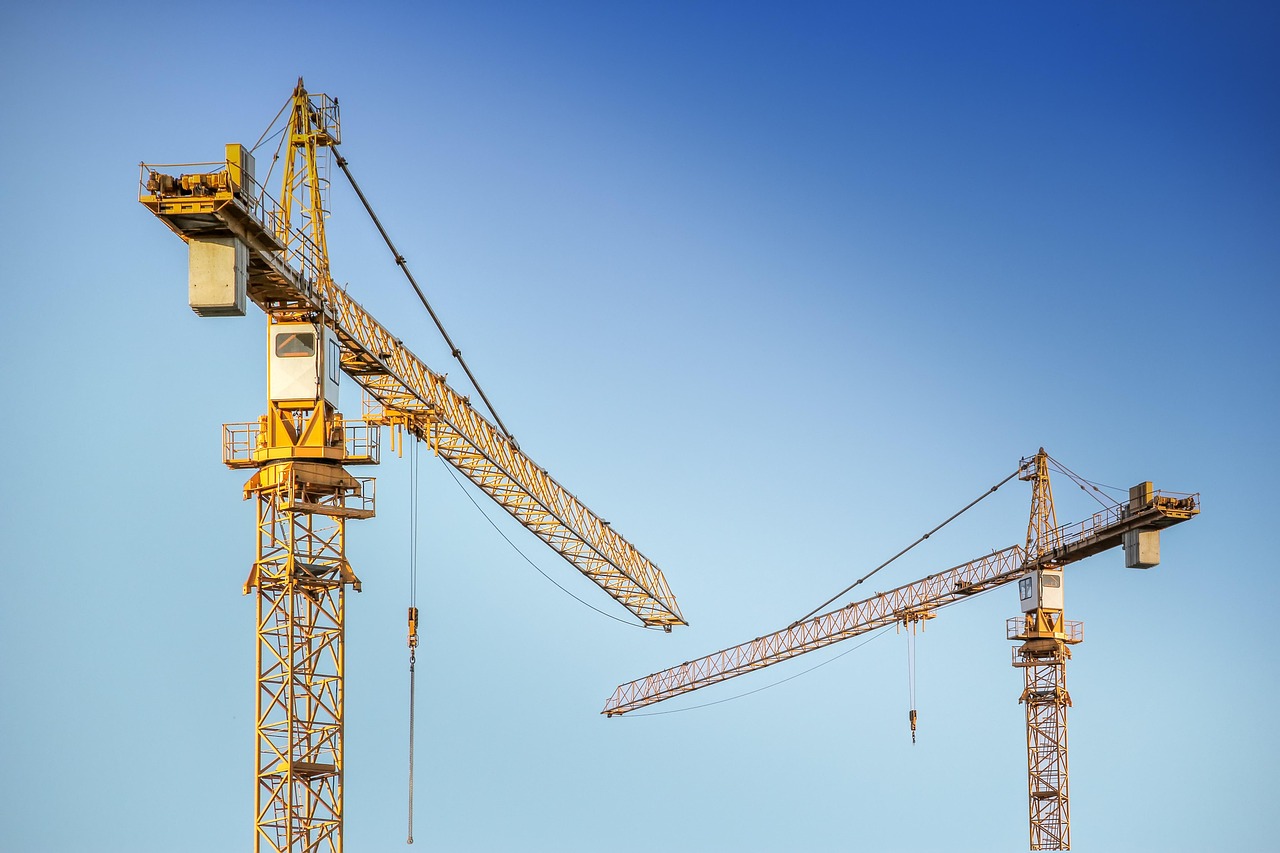
When you take on a construction project, there is a lot to keep track of beyond the work itself. Materials arrive at the site, machinery is brought in, and different parts of the project take shape over time. Damage to any insured project property can create an unexpected expense. A contractor’s all risk policy may provide cover for specified loss or damage during the project, while third-party liability cover may address certain liabilities where included. Together, these features make it an important area to understand when considering engineering insurance for a construction project.
What Does a Contractor’s All Risk Policy Cover?
A contractor’s all risk policy commonly includes sections covering material damage and third-party liability, depending on the policy wording.
| Policy Section | What It May Cover |
| Material damage | Physical loss or damage to insured contract works and other property covered by the policy |
| Third-party liability | Certain legal liabilities arising from accidental injury to a third party or damage to third-party property |
| Project-related property | Materials, plant, temporary works, or other items where specifically included |
| Testing and commissioning | Certain risks during testing, where this extension or cover is included |
The exact scope depends on the policy wording, limits, conditions, and exclusions.
When Does the Cover Apply During a Project?
A construction project does not begin and end with the main building work. Depending on the policy, cover may apply from the arrival of materials at the project site and continue through construction, testing, and other specified stages.
Your policy schedule and wording should make the applicable period clear. Check the start date, expected completion date, testing period, and any extensions that may apply.
What Should You Check in the Material Damage Section?
Before taking a contractor’s all risk policy, check exactly what has been included and the limits that apply.
Pay attention to:
- Contract works included in the insured project
- Materials and property covered at the project site
- Construction plant or equipment, where included
- The sum insured for the relevant property
- Deductibles and specific limits
- Exclusions and policy conditions
Do not assume that every item used at a construction site falls under the same cover. The policy wording determines what is insured.
What Should You Check Before Taking the Policy?
Before taking a contractor’s all risk policy, look at the project you are actually working on. Start with these points:
- Project value: Check the value of the work and property you want to insure.
- Project period: Make sure the policy period covers the time you expect the work to take.
- Project location: Check whether the policy details reflect where the work will be carried out.
- Type of work: Make sure the construction activity is correctly described.
- Third-party liability: Look at the liability limit and the conditions that apply.
- Testing and commissioning: Check whether these stages are covered and for how long, if they form part of the project.
Why Should You Read the Policy Wording?
The term “all risk” does not mean that every type of loss is covered. The policy wording tells you what property is insured, when the cover applies, and which exclusions, limits, deductibles, and conditions you need to know about.
It is worth reading these details before the project starts. If the scope, value, or duration of the work changes later, check whether the policy needs to be updated as well.
Conclusion
All contractor all risk policy can cover several aspects of a construction project, but the exact cover depends on the policy terms. Before taking engineering insurance, look at the project value, policy period, insured property, third-party liability, deductibles, exclusions, and any additional cover you may need. Checking these details against the work involved can help you understand the scope of the policy and the limits and conditions that apply.