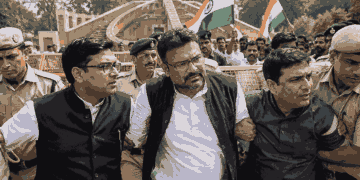






















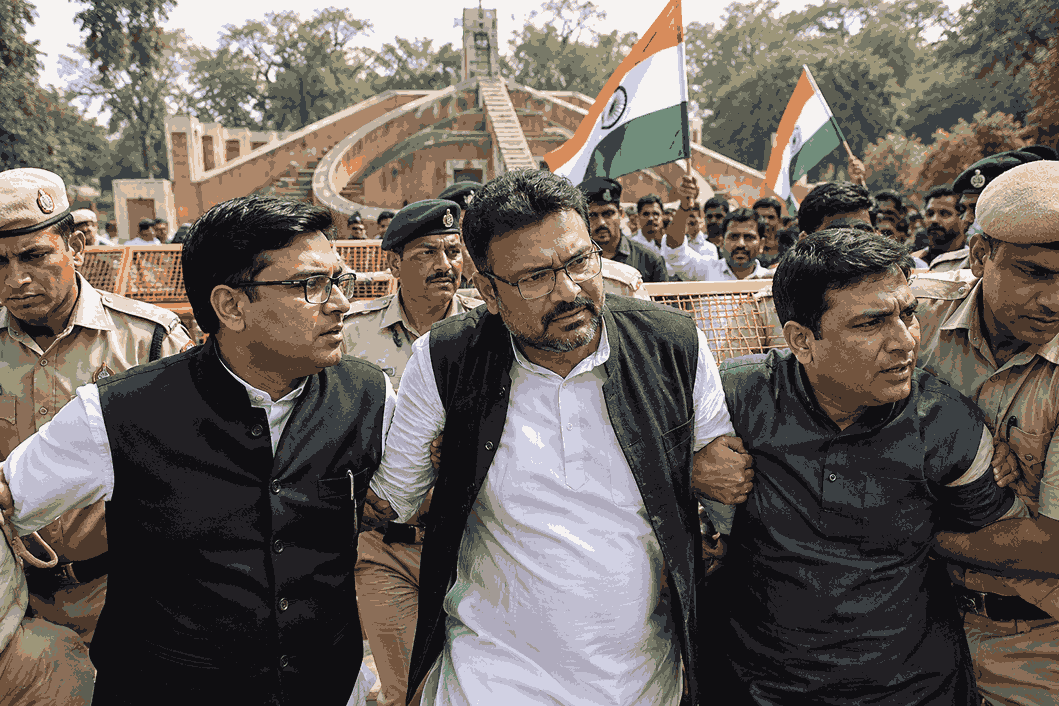
According to reports, approximately 14 people were detained in connection with the incident. The protesters reportedly climbed an iron gate and crossed police barricades to enter the central Delhi location, carrying the Indian national flag and raising slogans. Police personnel intervened and removed the group from the premises. The incident unfolded only days after the organisation’s prominent members had faced preventive detention ahead of another planned demonstration.
The latest confrontation follows a decision by Delhi Police to discontinue the use of Jantar Mantar as an officially designated protest venue. Authorities have identified alternative locations for demonstrations, including Ramlila Ground, Burari Ground and CBD Ground in east Delhi. The change has become a point of contention for the CJP, which has sought to use Jantar Mantar as the focal point of its campaign against the Election Commission.
CJP leaders had already been at the centre of a series of confrontations with the authorities. On October 10, CJP founder Abhijeet Dipke, along with Ranka and Das, was detained at Delhi’s Indira Gandhi International Airport ahead of the proposed protest. The police had earlier rejected the organisation’s request to hold a demonstration, citing the short notice provided, concerns about public safety and law-and-order considerations, as well as its previous conduct during protests.
The organisation’s latest attempt to enter Jantar Mantar appears to have been intended as a symbolic challenge to the restrictions. CJP founder Abhijeet Dipke shared footage of the incident on social media, showing supporters making their way past the barriers. He subsequently criticised the authorities’ decision, declaring that resistance could not be prohibited simply by withdrawing the site’s official protest status.
The immediate political backdrop is the CJP’s demand for the resignation of Chief Election Commissioner Gyanesh Kumar. The campaign gained momentum after reports raised questions about changes to electoral rolls, voter registration procedures and the functioning of digital systems used in election administration. Opposition parties have alleged that the revision of electoral rolls could disproportionately affect minority communities. The Election Commission and the BJP have rejected allegations of politically motivated deletions.
CJP leaders have presented their campaign as a demand for accountability and transparency in the electoral process. However, the police have maintained that demonstrations must comply with permission requirements and applicable restrictions. The dispute therefore raises two parallel questions: how citizens can publicly challenge decisions made by constitutional institutions, and how authorities should regulate protests without compromising public order or lawful political expression.
The latest detention also comes against the background of the organisation’s earlier agitation over alleged irregularities in competitive examinations. Its prolonged protest at Jantar Mantar earlier this year focused on examination-related grievances, including allegations of paper leaks and demands for government accountability. That agitation eventually developed into a broader confrontation involving protest restrictions, police action and competing claims about responsibility for disturbances.
CJP leaders had reportedly been released by an executive magistrate on October 11 after agreeing to maintain peace and good behaviour for a year. The fresh detention on October 13, just two days later, could invite renewed scrutiny of the conditions imposed on them. Whether the latest action will result in further legal consequences will depend on the specific circumstances and the authorities’ subsequent proceedings.
The police action also underscores the difficulties involved in managing politically charged demonstrations in the national capital. Jantar Mantar has long been associated with public protests, making access to the venue a significant issue for political groups and campaigners. Nevertheless, the right to demonstrate does not automatically exempt organisers or participants from restrictions imposed under applicable law.
CJP leaders now face a renewed confrontation with the authorities as the dispute over the protest venue continues. The organisation’s supporters may view the incident as an attempt to challenge restrictions on political expression, while the police have emphasised the need to enforce venue rules and maintain public order.
The coming days will determine whether the confrontation leads to further demonstrations, legal action or negotiations over alternative venues. For now, the incident illustrates how a dispute over a protest location has become intertwined with a wider political campaign concerning electoral accountability. The outcome will depend not only on the actions of the organisation and the police, but also on how the relevant authorities address the legal questions arising from the latest episode.