












VanDyke, the American national at the centre of a National Investigation Agency (NIA) case involving seven foreign nationals, walked out of Delhi’s Tihar Jail on September 24 after a special court permitted him to travel to the United States for one month to meet his family. The release followed a series of court orders granting default bail and allowing the accused to leave India temporarily, subject to conditions and formalities.
Investigators have been examining the alleged movements of the seven foreign nationals through India’s Northeast and their reported links with a drone-warfare training camp associated with ethnic armed groups in Myanmar.
The court’s order allowed the foreign nationals to travel to their respective home countries while the investigation continues. Their passports were ordered to be released for the permitted journey, and they were required to comply with conditions attached to their temporary departure. The arrangement does not amount to a closure of the case, and the investigation by the NIA remains ongoing.
According to court proceedings reported by India Today and other news organisations, the seven individuals were granted default bail after the investigating agency’s first chargesheet did not include provisions of the Unlawful Activities (Prevention) Act. The NIA has continued its investigation into allegations that the group travelled to Myanmar through Mizoram and became associated with ethnic armed groups operating there.
The case took another turn earlier this month when the NIA filed a chargesheet invoking provisions of the Immigration and Foreigners Act, 2025, rather than UAPA provisions in the first chargesheet. The agency alleged that the foreign nationals entered India on valid visas but travelled to Mizoram without the required permission before crossing into Myanmar. The investigation has also examined allegations concerning the movement of drones and military-related equipment.
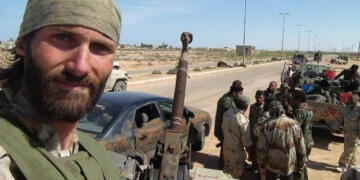
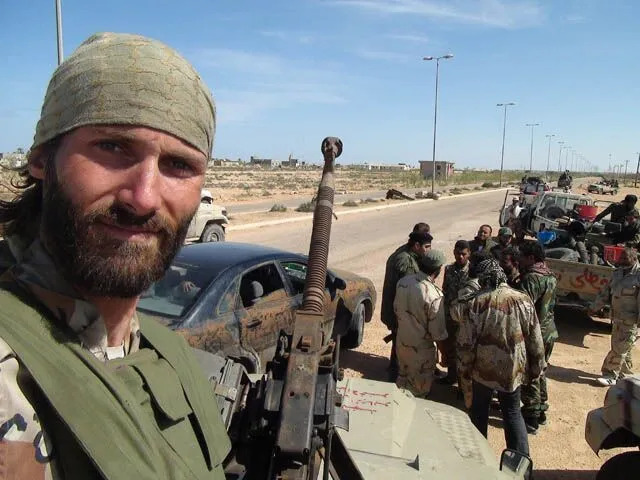
For VanDyke, the legal proceedings have attracted particular attention because of his previous involvement in overseas conflicts and his association with Sons of Liberty International, an organisation he founded to provide security and military training. He has previously been involved in conflicts in Libya, Syria and Iraq, and has worked with armed groups and military personnel in different parts of the world. Those activities have made him a prominent figure in reporting surrounding the present investigation.
VanDyke was arrested at Kolkata airport in March, while the Ukrainian nationals were detained at airports in Delhi and Lucknow. The NIA subsequently alleged that the group had travelled to Myanmar and interacted with ethnic armed organisations. Investigators have also examined claims that drones originating in Europe were transported through India and supplied to groups in Myanmar. The agency has said its broader investigation into the alleged network is continuing.
The granting of default bail does not constitute a finding that the allegations are either proved or disproved. In this case, the court considered the status of the investigation and the charges filed against the foreign nationals while deciding their applications under the applicable legal framework.
The temporary travel permission for VanDyke and the other accused also carries obligations. According to reports on the court proceedings, the seven individuals have been directed to return to India after the permitted one-month period and to inform the court within the prescribed timeframe. The court has also considered their willingness to cooperate with the NIA whenever their presence is required.
VanDyke’s release comes after months of legal uncertainty and intense attention from his family in the United States. Earlier, relatives had sought diplomatic assistance and publicly raised concerns about his detention. His case had also generated questions over his treatment in custody, although those claims have been made by his family and representatives and should be distinguished from findings by a court.
The broader investigation remains significant because it touches on cross-border movement, immigration rules, security concerns and alleged military training involving foreign nationals. Authorities are continuing to examine what happened during the group’s movements through India and Myanmar, while the accused retain the opportunity to contest the allegations through the judicial process.
For VanDyke, the court-approved journey provides a temporary return to family life after months in custody. VanDyke’s departure from Tihar, however, does not end the legal proceedings. The next stages will depend on the continuing NIA investigation, further court hearings and whether additional evidence leads to new charges or clarifications in the case.