
















The National Investigation Agency (NIA) has clarified that it has not dropped its terror investigation against American national Matthew Aaron VanDyke and six Ukrainian nationals — despite leaving out provisions of India’s main anti-terror law, the UAPA, from the chargesheet it filed this week. As reported by NDTV, sources say the probe into terror-related offences is continuing even as a separate chargesheet was filed under the Immigration and Foreigners Act.
Who is Matthew VanDyke, and who else is involved?
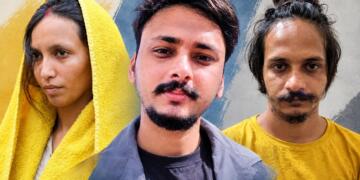
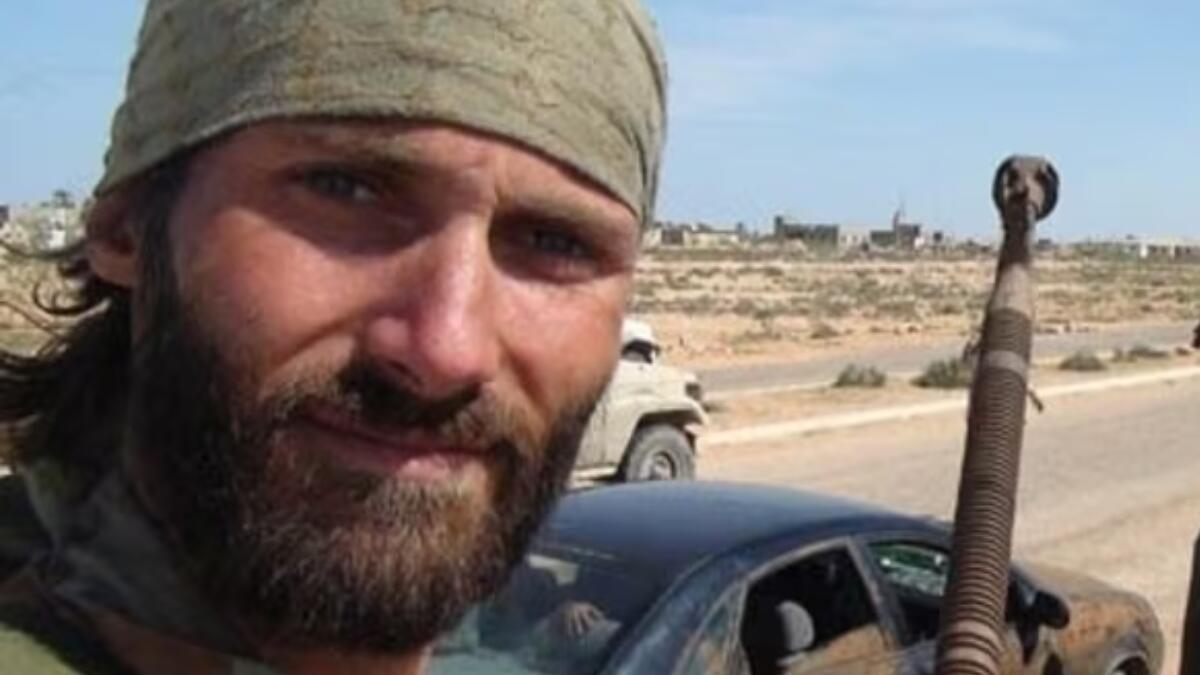
VanDyke is a US citizen with a history of involvement in foreign conflicts. He was arrested by the NIA at Kolkata airport on March 13. The same day, six Ukrainian nationals — Petro Hurba, Taras Slyviak, Ivan Sukmanovskyi, Marian Stefankiv, Maksim Honcharuk, and Viktor Kaminskyi — were arrested in two separate operations, three at Lucknow airport and three at Delhi airport.
All seven had been in custody for roughly 180 days by the time this week’s developments unfolded.
What are they accused of?
According to the NIA’s allegations, the group entered Myanmar through Mizoram — a protected border area that requires a special Protected Area Permit for foreign nationals — without the necessary authorization. Once there, investigators allege, they provided arms and drone-warfare training to ethnic armed groups fighting Myanmar’s military junta, operating essentially as mercenaries.
The agency has also alleged that:
- The group routed a substantial consignment of drones from Europe into Myanmar via India.
- The group may have links to a drone strike on a civilian aircraft in Myanmar, an incident the NIA raised in court last week without publicly identifying which specific attack it was referring to.
- There may be broader connections to other networks, which the agency says it’s still investigating.
The case was originally registered under the Unlawful Activities (Prevention) Act (UAPA), India’s principal anti-terror law, with Section 18 (conspiracy to commit a terrorist act) invoked at the time of arrest.
So what actually happened this week?
The NIA filed a chargesheet against all seven accused before the Rouse Avenue court in Delhi — but notably, it did not include UAPA charges. Instead, the chargesheet invoked sections of the Immigration and Foreigners Act.
That omission set off immediate criticism. Because the case had been registered under a terror law, dropping those provisions from the chargesheet looked to critics like the terror angle was being quietly abandoned.
Why the political uproar?
Opposition leaders were quick to seize on the development:
- Congress MP Abhishek Manu Singhvi questioned why serious allegations — illegal entry, links to armed groups, and drone-warfare training — appeared to have been dropped, and said the government owed the country an explanation if the charges had been watered down after high-level US-India discussions.
- Congress spokesperson Jairam Ramesh went further, asking whether the decision was made under American pressure and calling it “bullying.”
- Congress leader Pawan Khera also called the prospect of a “clean chit” for VanDyke troubling, given the scale of the original allegations.
What does the NIA actually say happened?
Sources close to the investigation told news agencies that this is a procedural distinction, not an exoneration:
- The NIA has not dropped the terror investigation against any of the seven accused. Probe into UAPA offences is continuing against all of them.
- The Foreigners Act charges were filed now because those specific offences had already been fully established by the investigation.
- A supplementary chargesheet under UAPA could still follow if the terror-related evidence holds up.
There’s also a hard procedural deadline in play: under UAPA rules, an investigating agency generally has up to 180 days to file a chargesheet while the accused remains in custody. If that deadline passes without a chargesheet, the accused can seek statutory bail. In VanDyke’s case, that 180-day window was closing around September 8 — which appears to be why a chargesheet had to be filed now, even with the UAPA probe still ongoing.
What happens next?
The broader conspiracy investigation remains open. The NIA says it is continuing to examine the extent of the group’s activities and any wider network connections, and has left the door open to add UAPA charges later via a supplementary chargesheet. For now, the seven accused face charges under the Immigration and Foreigners Act, while the terror investigation continues in parallel.