



















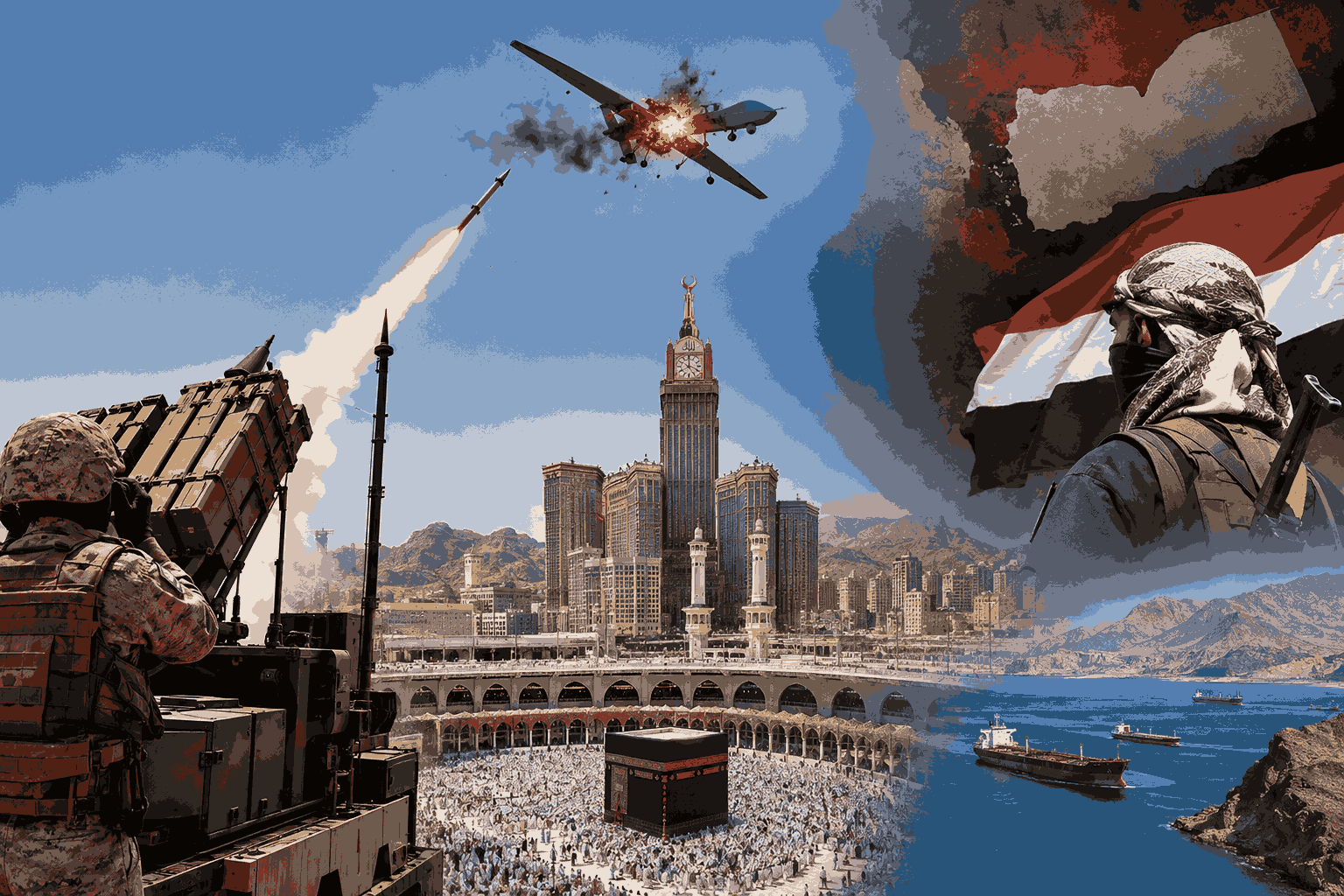
Saudi Arabia said its air-defence forces intercepted and destroyed a Houthi drone south of Mecca on Tuesday evening, preventing it from entering the restricted airspace surrounding Islam’s holiest city. The incident has sharply raised security concerns in the kingdom as fighting involving Yemen’s Iran-aligned Houthi movement intensifies across the region. Saudi authorities said the drone was brought down before reaching Mecca, while Houthi officials denied that the group had targeted the sacred city.
According to Saudi-led coalition spokesperson Turki al-Malki, the drone was intercepted at approximately 6:50 p.m. on September 15, south of Mecca. He described the incident as the second alleged attempt to target the city, referring to a ballistic missile incident in July 2017. Saudi officials stressed that the security of the Two Holy Mosques and pilgrims remains a “red line” and warned that further attacks would invite a response.
The Houthi movement, however, rejected the Saudi allegation. A Houthi military source told Yemen’s SABA news agency that the group did not pose a threat to Mecca or other Islamic holy sites and described the accusation as misinformation. This denial is significant because the location of the intercepted drone has become central to the dispute over whether Mecca itself was intended as the target.
Saudi Arabia also issued brief security alerts covering Mecca, Jeddah and Taif amid the wider escalation. The alert affecting Mecca was lifted within minutes, but its issuance underlined the sensitivity of the situation. Mecca attracts millions of Muslims throughout the year for Hajj and Umrah, making any perceived threat to the city particularly consequential for Saudi Arabia and the wider Muslim world.
The latest episode comes against the backdrop of a broader resurgence in the Yemen conflict. The Houthi movement and Saudi Arabia had experienced a substantial reduction in direct hostilities following the 2022 truce, but fighting has intensified again. Recent attacks and counter-attacks have extended beyond Yemen’s immediate battlefield, bringing Saudi military facilities and economic infrastructure into the picture.
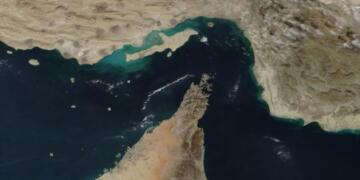
The strategic importance of the confrontation goes well beyond the immediate area around Mecca. The Houthi forces have expanded their presence along parts of Yemen’s Red Sea coast, including territory overlooking the Bab el-Mandeb strait. The waterway is a major international shipping route, and any sustained disruption could affect energy shipments and commercial traffic between the Red Sea and the Indian Ocean.
The escalation is also unfolding amid wider instability across the Middle East. Saudi officials have accused the Houthi movement of carrying out attacks against military and other targets inside the kingdom. Coalition officials said attacks on Saudi cities including Khamis Mushait, Abha and Taif had wounded 13 civilians. The Houthis have presented their attacks as retaliation for Saudi-led strikes in Yemen, illustrating how sharply the two sides differ over the origins and justification of the renewed violence.
For Riyadh, the proximity of the latest incident to Mecca adds a particularly sensitive dimension to an already dangerous security situation. The Saudi-led coalition has signalled that it intends to take deterrent measures, while the Houthi movement continues to deny targeting religious sites. The immediate question is therefore not only how Saudi Arabia responds militarily, but whether the confrontation expands further into areas that could threaten civilian populations, pilgrimage arrangements and vital regional infrastructure.
The incident also demonstrates how quickly developments in Yemen can acquire international significance. Any sustained escalation involving Saudi Arabia, the Red Sea or Bab el-Mandeb could have implications for shipping, energy markets and regional security. At the same time, the competing Saudi and Houthi accounts mean that important details about the intended destination of the drone remain contested. For now, Saudi Arabia says it prevented a serious threat from reaching the restricted airspace around Mecca, while the Houthi leadership insists that it never sought to attack the holy city.