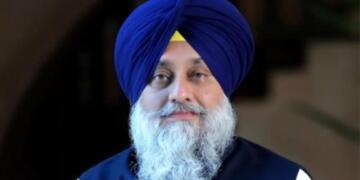













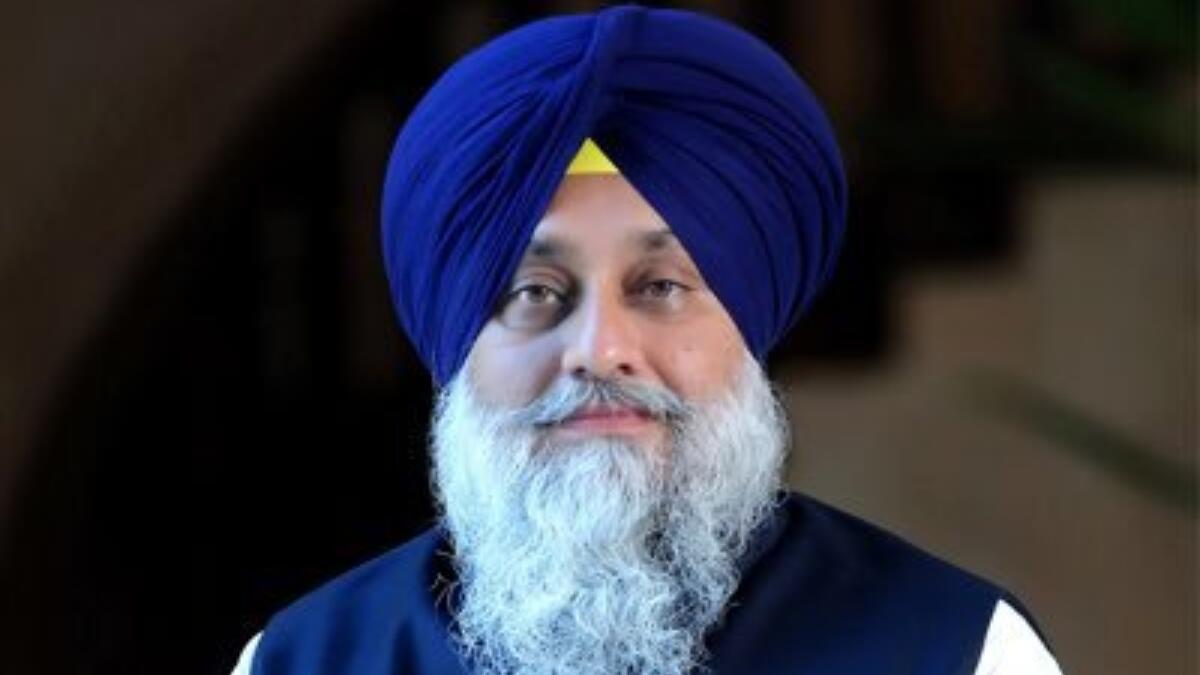
On August 13, 2026, Sukhbir Singh Badal was attacked with a kirpan inside a gurdwara in Nanded, Maharashtra, while visiting Takht Sri Hazur Sahib with his wife and Akali Dal MP, Harsimrat Kaur Badal. The assailant, identified as Jaspal Singh — a Pune-based Nihang with degrees in commerce and law — struck at Badal’s hand before attempting to hit his chest. Badal underwent a 90-minute surgery in Delhi to repair a severed tendon and ulnar artery nerve, and was discharged the following day. Police have booked the accused under charges of attempted murder and causing grievous hurt to a public servant, though investigators say they have yet to establish a clear motive, despite reports that the attacker cited the previous SAD government’s handling of Punjab’s drug crisis.
This was not an isolated incident. In December 2024, Badal survived a shooting attempt at the entrance of the Golden Temple in Amritsar, where he was serving as a sewadar (religious volunteer) as part of a punishment (tankhah) imposed on him by the Akal Takht — Sikhism’s highest temporal authority — for decisions taken during his tenure as deputy chief minister. That attacker, a former Babbar Khalsa International militant, was later granted bail after prolonged pre-trial detention.
Two attacks in under two years on the same leader, both in religious settings, both drawing swift political condemnation across party lines, say something about how contested — and how personal — Punjab’s politics around Sukhbir Badal have become.
Why He Matters
Sukhbir Singh Badal is not just another regional politician. As president of the Shiromani Akali Dal (SAD) — one of India’s oldest regional parties and historically the principal voice of Sikh political identity — he sits at the intersection of Punjab’s religious institutions, its agrarian economy, and its electoral politics in a way few other figures do.
A dynastic inheritance. Badal is the son of Parkash Singh Badal, a five-time Chief Minister of Punjab and one of the most enduring figures in the state’s post-independence history. Sukhbir took over the party leadership and built much of his own political career alongside his father’s government, serving as Deputy Chief Minister from 2009 to 2017. That inheritance gave him instant legitimacy within the party, but it has also meant that every controversy attached to the Badal name — including allegations around the family’s business interests in transport, real estate, and other sectors — sticks to him personally.
Command over Sikh religious politics. Badal’s influence extends into the Shiromani Gurdwara Parbandhak Committee (SGPC), the body that manages Sikh shrines including the Golden Temple. Control over the SGPC has long been central to Akali politics, because religious authority and electoral mobilization in Punjab are deeply intertwined. This is precisely why his 2024 punishment by the Akal Takht was so significant — it was a rare moment where the party’s own religious accountability mechanisms turned on its leader, and why an attack on him inside a gurdwara carries such heavy symbolic weight.
A party in decline, but not irrelevant. Under Badal’s leadership, the SAD has suffered a dramatic fall from power — losing its status as Punjab’s principal opposition force in both the 2017 and 2022 assembly elections, overtaken first by the Congress and then decisively by the Aam Aadmi Party. Yet the Akali Dal’s organizational depth in rural Punjab, its historical association with the Sikh panth, and its base among Jat Sikh farmers mean it remains a party that other political forces have to reckon with, even in decline. Badal’s ability (or inability) to rebuild it will shape whether Punjab’s opposition politics remains a three-way contest or consolidates further.
A recurring legal and political target. Beyond the recent attacks, Badal has faced sustained legal scrutiny — including the 2015 Kotkapura firing case, in which he and his father sought anticipatory bail over police action against protesters, and various defamation suits. These cases keep him a constant presence in Punjab’s news cycle, for reasons that go well beyond electoral politics.
The Bigger Picture
What makes the Nanded attack resonate beyond a single incident is what it reveals about the state of Punjab’s politics: a former deputy chief minister and sitting party president can be twice targeted in religious spaces, amid unresolved tensions over the drug crisis, past governance decisions, and questions of accountability within the Sikh religious establishment itself. Whether or not investigators establish a clear motive, the attacks have reinforced Sukhbir Badal’s position as one of the most polarizing — and enduringly central — figures in Punjab’s political life.