




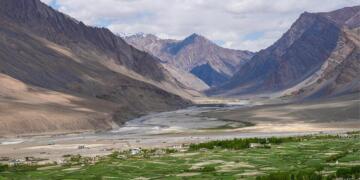








Tuesday marks seven years since the Indian government revoked Jammu and Kashmir’s special constitutional status under Article 370, splitting the former state into the union territories of Jammu and Kashmir, and Ladakh. Then Home Minister Amit Shah moved the resolution in the Rajya Sabha on 5 August 2019, arguing the provision had let “three families” dominate the region’s politics for decades. The move ended a 65-year-old constitutional arrangement and, with it, restrictions that had barred people from outside the former state from buying land there.
What has changed
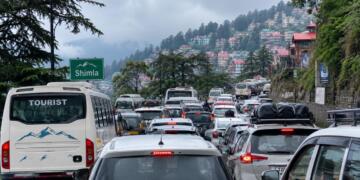
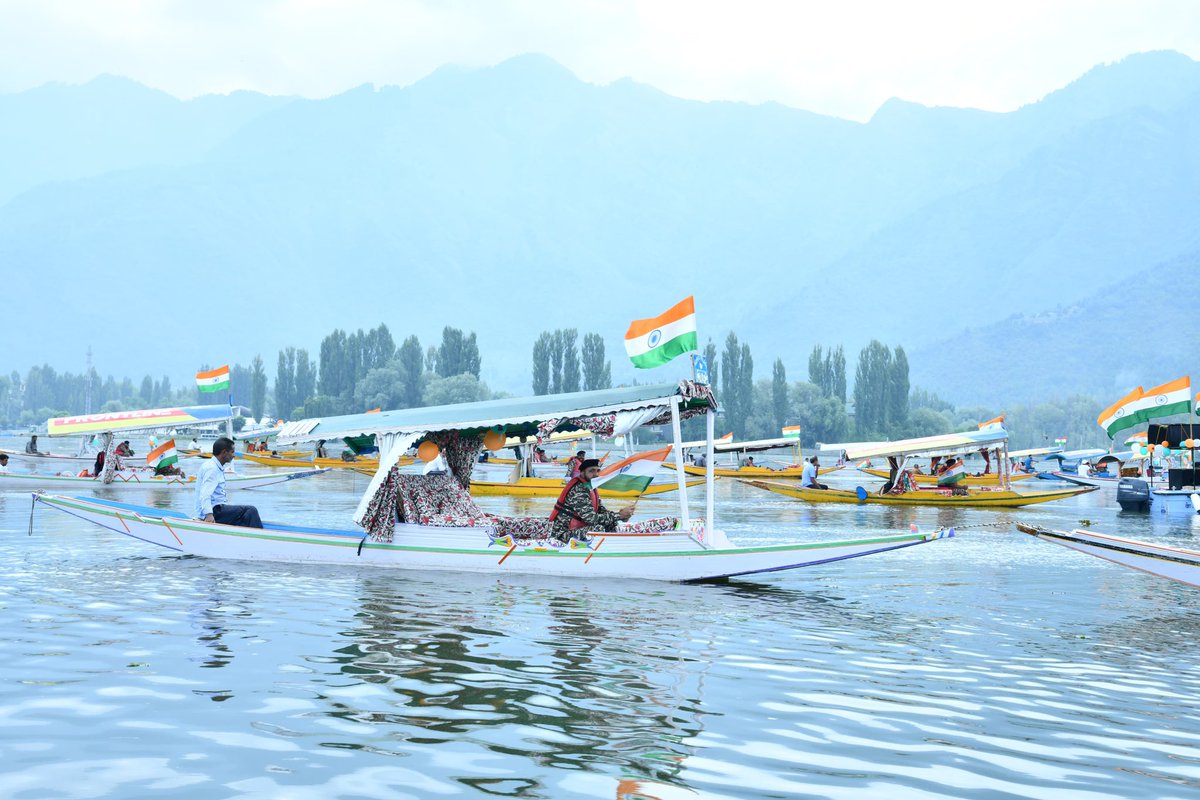
Jammu and Kashmir is now governed by the same central laws and penal code as the rest of the country, having previously operated under a separate constitution and the Ranbir Penal Code. The government points to a sharp rise in tourist arrivals, the reopening of cinemas in Srinagar for the first time in decades, and new investment in horticulture, handicrafts and services as evidence of normalisation. Officials also cite a decline in stone-pelting incidents and civilian shutdowns compared with the pre-2019 period.
Politically, Jammu and Kashmir returned to elected government in 2024 after five years of direct central rule, with the National Conference forming a government under Chief Minister Omar Abdullah, though the territory remains a union territory rather than a full state. The government also points to expanded political participation among groups such as the Gorkha and Valmiki communities and those displaced from Pakistan-occupied Kashmir, who it says can now vote and contest local elections on equal terms for the first time.
What has not changed
Statehood has not been restored, despite repeated assurances from the Centre that it would eventually be granted. The National Conference, Congress and People’s Democratic Party marked Tuesday as a “black day”, with the National Conference’s Jammu unit calling the 2019 move “unconstitutional and unilateral” and renewing its demand for statehood.
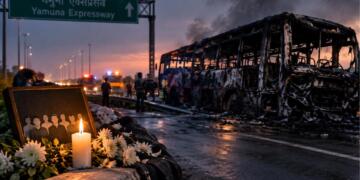
Security remains a live concern. Officials acknowledge that Lashkar-e-Taiba and its proxy, The Resistance Front, continue to attempt infiltration from Pakistan-occupied Kashmir, and authorities mounted heightened security across the region on Tuesday, including checks along the Jammu-Srinagar highway, as a precaution around the anniversary. The Pahalgam attack of April 2025, in which 26 tourists were killed, underscored that militant violence has not been eliminated, even as overall incident numbers have fallen from earlier years.
Independent assessments of the period are mixed. Government and local business figures cited by news agencies point to genuine gains in trade, connectivity and civic life. Critics, including separatist-aligned commentary and opposition parties, argue that political freedoms remain curtailed and that the promised economic transformation has been uneven, with unemployment and continued security restrictions still shaping daily life in parts of the region.
Seven years on, the debate over Article 370 has shifted from whether it should have been revoked to whether the promises made alongside that decision, statehood, jobs and lasting peace, have been kept in full.