

















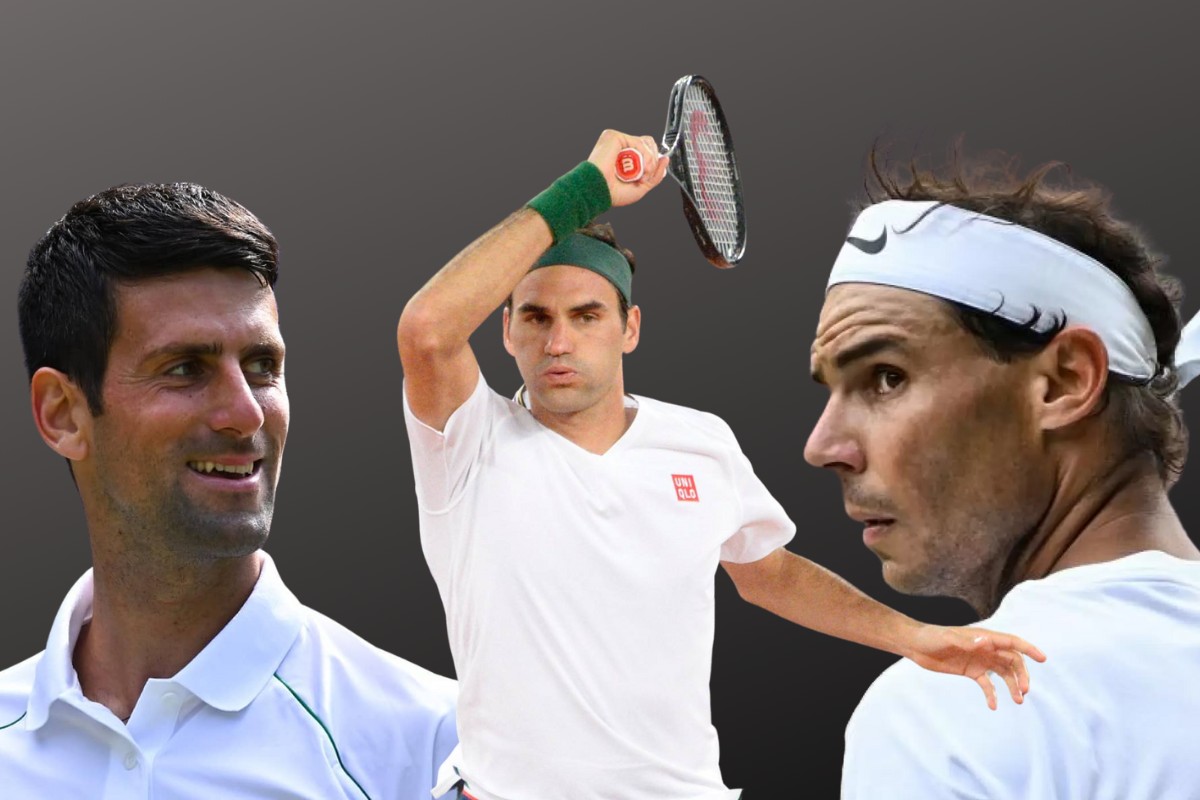
For nearly two decades, tennis existed under the shadow of three giants. Fans measured every rising player against the standards set by Roger Federer, Rafael Nadal, and Novak Djokovic. Yet sports never stand still.
A new wave has arrived, and instead of waiting politely for the old era to end, it has kicked the door open. In recent seasons, players such as Carlos Alcaraz, Jannik Sinner, Coco Gauff, and others have transformed the sport with fearless aggression, elite athleticism, and massive global appeal.
Even sportsbooks and platforms such as Jawhara Bet have seen growing interest in matches involving these emerging stars, reflecting a broader shift in fan attention toward tennis’s next chapter.
First Generation That Refused to Wait
Previous generations often spent years trying to earn a seat at tennis’s top table. The current generation took a different approach. They arrived expecting to compete for Grand Slam titles immediately.
A perfect example is Carlos Alcaraz. After winning the US Open at 19, he became the youngest ATP World No. 1 in history. Meanwhile, Jannik Sinner progressed from a Next Gen ATP Finals champion to one of the dominant forces in men’s tennis, helping create a rivalry many observers believe will define the coming decade.
The differences between this generation and earlier challengers become clear when examining their development patterns:
| Characteristic | Previous Rising Stars | Current Generation |
| Age of breakthrough | Often 22–25 | Frequently 18–21 |
| Physical preparation | Developed gradually | Elite from teenage years |
| Social media presence | Secondary importance | Core part of personal brands |
| Playing style | Often specialized | More complete skill sets |
| Global fan reach | Built slowly | Immediate worldwide audiences |
| Sponsorship interest | Grew after success | Arrives before peak success |
| Media attention | Tournament-driven | Constant year-round visibility |
| Commercial value | Based on rankings | Based on rankings and personality |
| Expectations | Long-term development | Immediate title contention |
The impact extends beyond rankings. Younger players now enter major tournaments believing they can beat anyone. That psychological shift may be the biggest difference of all.
Several trends explain why this generation accelerated so quickly:
- Advanced sports science reaches players earlier in their careers.
- Data analytics help optimize training from junior levels.
- Global academies identify talent more efficiently.
- International competition starts at younger ages.
- Social media increases exposure and commercial opportunities.
- Recovery methods have improved dramatically.
- Coaching teams are becoming larger and more specialized.
- Tennis knowledge is shared globally faster than ever.
- Young players now grow up studying elite video analysis.
The result is a tour where age increasingly matters less than preparation. A 19-year-old today often arrives with the resources that only established professionals had twenty years ago.
Alcaraz, Sinner, and the Race That Changed the Market
Every era needs a rivalry. Tennis once had Federer versus Nadal. Later came Djokovic against everyone else. Today, much of the spotlight belongs to Alcaraz and Sinner.
Their rise has altered not only rankings but also audience behaviour. Major finals featuring the pair attract intense global attention, while sportsbooks, broadcasters, and sponsors increasingly build campaigns around their meetings.
By 2025, the two players had collected the majority of recent Grand Slam titles and established themselves as the central figures of the ATP Tour.
For sports bettors, this creates an interesting challenge. The stars are young, but they are already being priced like veterans.
| Factor | Impact on Betting Markets |
| Consistent deep tournament runs | Shorter outright odds due to regular appearances in semifinals and finals. |
| Strong performance on multiple surfaces | Fewer surface-specific weaknesses for bettors to target. |
| High physical endurance | Greater reliability in long matches and five-set contests. |
| Advanced tactical adaptability | Better ability to adjust during matches against different opponents. |
| Elite return games | Higher probability of creating and converting break opportunities. |
| Strong mental resilience | More consistent performance in tiebreaks and high-pressure situations. |
| Public popularity | Increased betting activity can influence market movement. |
| Frequent head-to-head meetings | More historical data available for analysis and modeling. |
| Long-term ranking stability | Creates greater confidence in pre-match projections. |
Yet even dominant players face challenges from a rapidly improving group of rivals.
A few names are becoming increasingly important:
- Holger Rune continues pursuing consistency against the top two while remaining one of the most dangerous young opponents on tour.
- Joao Fonseca has emerged as one of the fastest-rising prospects after his Next Gen success.
- Jakub Mensik has already reached major stages despite being only 20 years old.
- Ben Shelton brings one of the biggest serves among younger ATP stars.
- Learner Tien has climbed rapidly through the rankings.
- Jack Draper represents a growing British challenge.
- Lorenzo Musetti offers one of the tour’s most creative styles.
- Arthur Fils continues developing into a serious contender.
- Flavio Cobolli has recently demonstrated his ability to compete deep into major events.
For betting audiences, the interesting story is not simply who wins. It is how many players now appear capable of producing breakthrough runs at the biggest tournaments.
Beyond Talent: The Business of the New Tennis Era
The takeover is not only athletic but commercial. Modern tennis stars operate in an environment fundamentally different from the one Federer entered in the late 1990s. Today’s players are athletes, content creators, media personalities, and global brands simultaneously.
Young stars attract audiences that consume tennis differently from previous generations. They follow highlights on social platforms, engage with behind-the-scenes content, and build emotional connections with players long before major titles arrive.
The commercial landscape reflects this transformation.
| Business Trend | Effect on Tennis |
| Social media growth | Young stars can build global fanbases and attract sponsors much earlier in their careers. |
| Streaming platforms | Fans can watch tournaments worldwide without relying solely on traditional TV networks. |
| Personalized content | Training videos and behind-the-scenes content strengthen player-fan connections. |
| Sports betting integration | Live stats and in-play markets help maintain engagement throughout matches. |
| Data-driven broadcasting | Advanced metrics make broadcasts more informative and easier to follow. |
| Global sponsorship deals | Early commercial partnerships provide funding for larger support teams. |
| International academies | Talent is identified and developed from a wider range of countries. |
| Youth-focused marketing | Digital campaigns help attract younger audiences to the sport. |
| Digital storytelling | Documentaries and player features keep fans engaged between tournaments. |
The sport’s future will likely be shaped as much by technology as by forehands.
Several developments are worth watching:
- Interactive match statistics are becoming standard.
- AI-assisted performance analysis continues expanding.
- Streaming services are investing heavily in tennis content.
- Social media clips often reach larger audiences than full matches.
- Younger players embrace direct communication with fans.
- Sponsorship deals increasingly reward personality and visibility.
- Global tournaments target emerging markets more aggressively.
- Betting products create additional engagement during matches.
- Data visualization makes complex tactics easier to understand.
This environment favors players comfortable both on court and online. Talent remains essential, but visibility increasingly amplifies success.
The new generation understands this instinctively because they grew up inside the digital world rather than adapting to it later. That advantage may prove nearly as important as their athletic ability.
Conclusion
Tennis is not searching for its future anymore. It is already watching it compete. Alcaraz and Sinner have become the faces of a new era, while an expanding group of young challengers continues to raise the sport’s level.
The transition from one generation to the next rarely happens smoothly, but this one has produced exactly what tennis needed: fresh rivalries, new personalities, and the sense that the biggest stories are still ahead.